

Objective
This blog explains how to choose a quick-turn PCB supplier without risking quality, schedule, or assembly success. It focuses on what buyers should check before placing an order, especially when they need high-quality PCB and assembly in the US, strong process control, and clear answers about PCB manufacturing capabilities and PCB quality standards. The goal is to help teams choose a supplier that can move fast without cutting corners.
Key Takeaways
- Fast lead time only matters if the boards still meet the right PCB quality standards. IPC-6012 defines qualification and performance requirements for rigid printed boards, while IPC-A-600 is the visual acceptability guide used during inspection.
- A reliable, quick-turn supplier should be able to explain its true PCB manufacturing capabilities, not just promise speed.
- For assembly work, process control also matters. IPC J-STD-001 covers requirements for soldered electrical and electronic assemblies.
- ISO 9001 is still a strong baseline because it gives a framework for consistent quality management.
- If your product serves aerospace, defense, or other high-reliability sectors, extra controls such as AS9100, ITAR awareness, and counterfeit-part avoidance may also matter.
Table Of Contents
- What Is A Quick-Turn PCB Supplier?
- Why Fast PCB Service Needs More Than Speed
- Step 1: Define The Real PCB Manufacturing Capabilities You Need
- Step 2: Check PCB Quality Standards Before You Ask For A Quote
- Step 3: Ask If The Supplier Can Support High Quality PCB and assembly in the US
- Step 4: Evaluate If They Are A Turnkey PCB service provider in the USA
- Step 5: Review Testing, Inspection, And DFM Support
- Step 6: Verify Communication, Traceability, And Risk Control
- Step 7: Start With A Smart Trial Order
- Conclusion
- FAQs
What Is A Quick-Turn PCB Supplier?
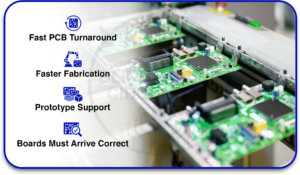
A quick-turn PCB supplier is a company that can manufacture printed circuit boards in a shorter time than standard production schedules. This usually means faster quoting, faster engineering review, quicker fabrication, and in some cases faster assembly as well. But quick-turn service is not only about moving fast. It is about delivering boards quickly without losing control over quality, documentation, or manufacturability.
In simple terms, a quick-turn supplier helps when a team is working on prototypes, urgent revisions, low-volume builds, or time-sensitive production needs. That may include new product development, design validation, field replacements, or customer deadlines that cannot wait for long standard lead times.
A good quick-turn PCB supplier should still be able to explain its process clearly. That includes lead time, material availability, stackup support, testing, and inspection. Fast service is useful only when the boards arrive correct, buildable, and ready for the next stage.
Quick-Turn Vs Standard PCB Manufacturing
Quick-turn PCB manufacturing and standard PCB manufacturing serve different needs. The main difference is lead time, but the real difference is often in how the job is planned, reviewed, and executed.
Quick-turn manufacturing is used when time is limited. It is common for prototypes, urgent design updates, low-volume builds, and projects that need a faster response. These jobs often move through quoting, engineering review, fabrication, and testing on a compressed schedule.
Standard PCB manufacturing usually allows more time for scheduling, material planning, process staging, and production flow. It is often a better fit for repeat work, higher volumes, and projects where the lead time is less urgent.
That does not mean one is better than the other. It means each one suits a different situation. Quick-turn service is useful when speed matters, but it still needs strong process control. Standard service may offer more scheduling flexibility, but it still depends on the same quality basics.
The important point is this: quick-turn should never mean rushed quality. Whether the order is fast or standard, the board still needs to meet the same technical and reliability requirements.
Why Fast PCB Service Needs More Than Speed
Quick-turn service sounds simple. You send files. A supplier builds the board fast—the order ships. But in real projects, speed only helps when the board is correct, buildable, and ready for assembly.
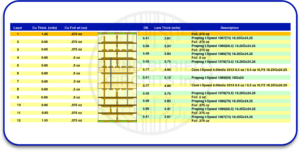
That is why supplier selection matters. A good quick-turn provider should not only turn Gerber files into boards quickly. It should also understand stackups, drill structures, material limits, copper balance, solderability, inspection, and assembly risk. IPC-6012 covers rigid printed boards, including single-sided, double-sided, multilayer, and boards with blind or buried vias. That matters because many modern boards are not simple two-layer jobs anymore.
Blind Buried Circuits fits naturally into this discussion because buyers looking for fast service usually also need confidence that advanced board features can still be built correctly.
Step 1: Define The Real PCB Manufacturing Capabilities You Need
Before you compare suppliers, define the board itself.
Start with the basics:
- Layer count
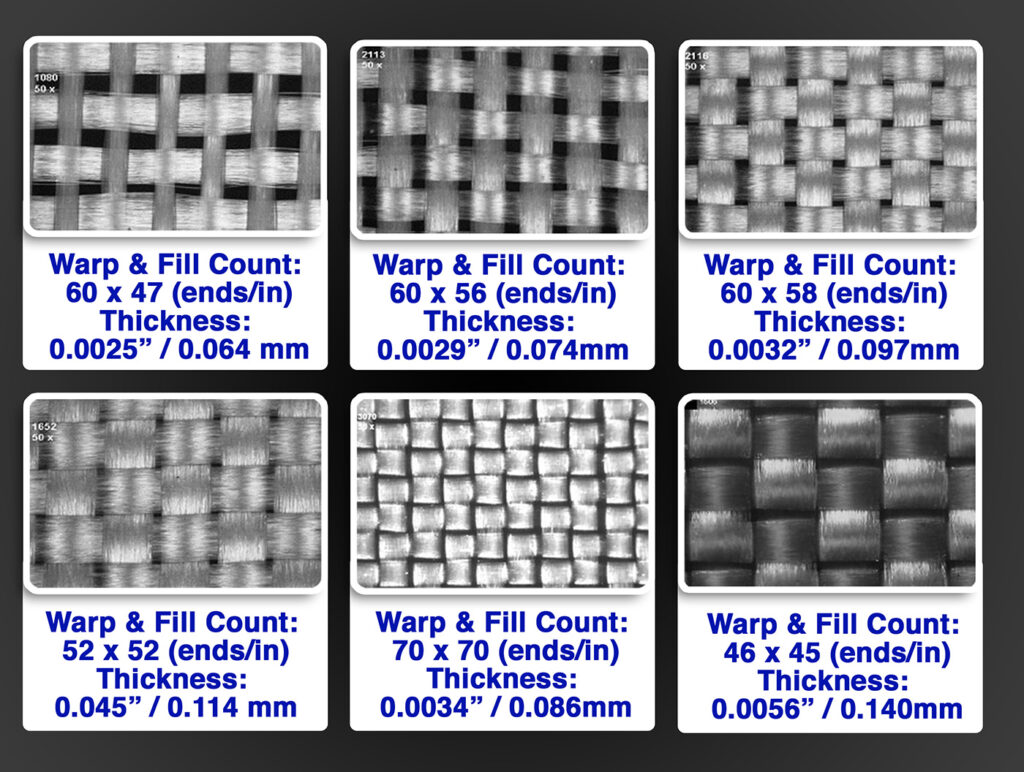
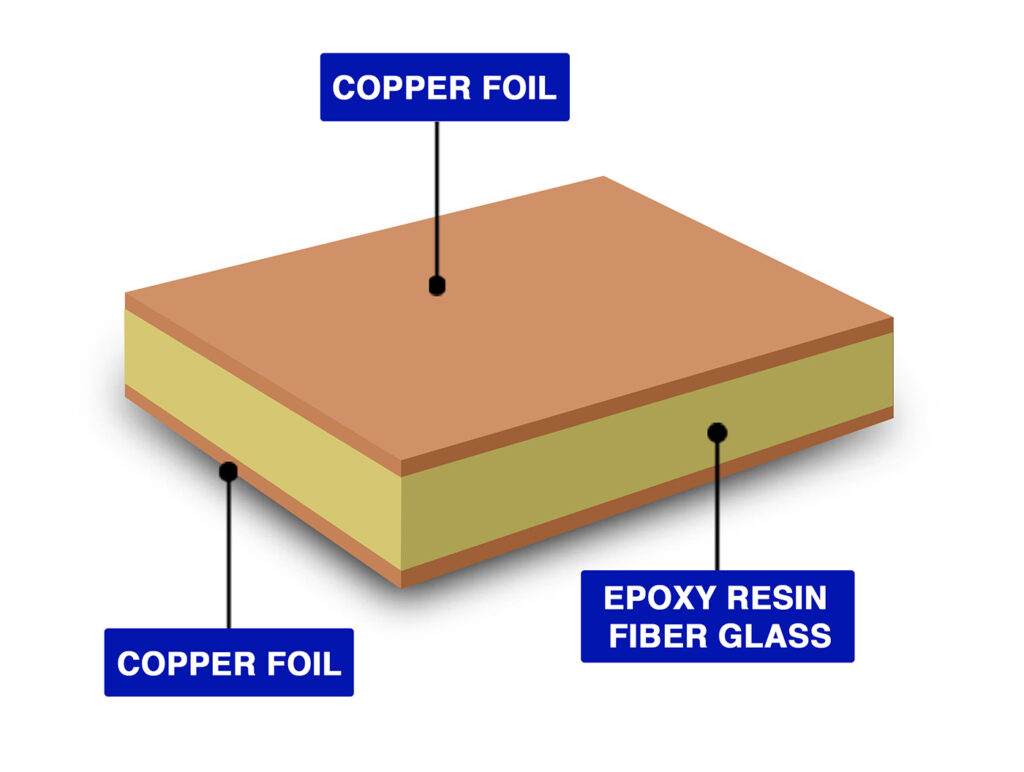
- Material type
- Copper weight
- Controlled impedance needs
- Blind or buried vias
- Fine line and spacing
- Surface finish
- Board thickness
- Assembly side count
This step matters because many sourcing problems start when buyers ask for “quick-turn” without clearly stating the actual technical requirements.
A supplier with real PCB manufacturing capabilities should be able to tell you whether your design fits its process window. IPC-2221 is the umbrella design standard for printed boards, and IPC-6012 sets the performance rules for rigid boards. Together, they help define what the board must be and how it should perform.
Step 2: Check PCB Quality Standards Before You Ask For A Quote
Many buyers ask about the price first. A better first question is this: which standards does the supplier build to?
This is where PCB quality standards become important.
A reliable, quick-turn supplier should be able to discuss:
- IPC-A-600 for board acceptability
- IPC-6012 for rigid board qualification and performance
- IPC J-STD-001 for soldered assemblies
- ISO 9001 for quality system control
- UL recognition or testing where safety requirements apply
IPC-A-600 separates acceptability into product classes, and its Class 3 level is used where high assurance is required, and downtime cannot be tolerated. IPC J-STD-001 also uses end-product classes for different reliability needs.
ISO says ISO 9001 is the world’s best-known quality management standard and is used to help organizations deliver consistent products and services. UL also states that its PCB services test to UL standards as well as IPC and IEC-related requirements.
Step 3: Ask If The Supplier Can Support High Quality PCB and assembly in the US
If you need high-quality PCB and assembly in the US, do not treat fabrication and assembly as separate quality worlds. The board may pass fabrication and still create assembly problems later.
Ask how the supplier handles:
- Design for manufacturability review
- Design for assembly review
- Soldering process control
- Rework rules
- Assembly documentation checks
- Material and laminate traceability
IPC J-STD-001 exists because assembly quality needs defined materials, methods, and acceptance rules, not guesswork for quick-turn work, which matters even more because there is less time to recover from errors.
A supplier that truly supports high-quality PCB and assembly in the US should be able to explain how the bare board process and the assembly process connect.
Step 4: Evaluate If They Are A Turnkey PCB service provider in the USA
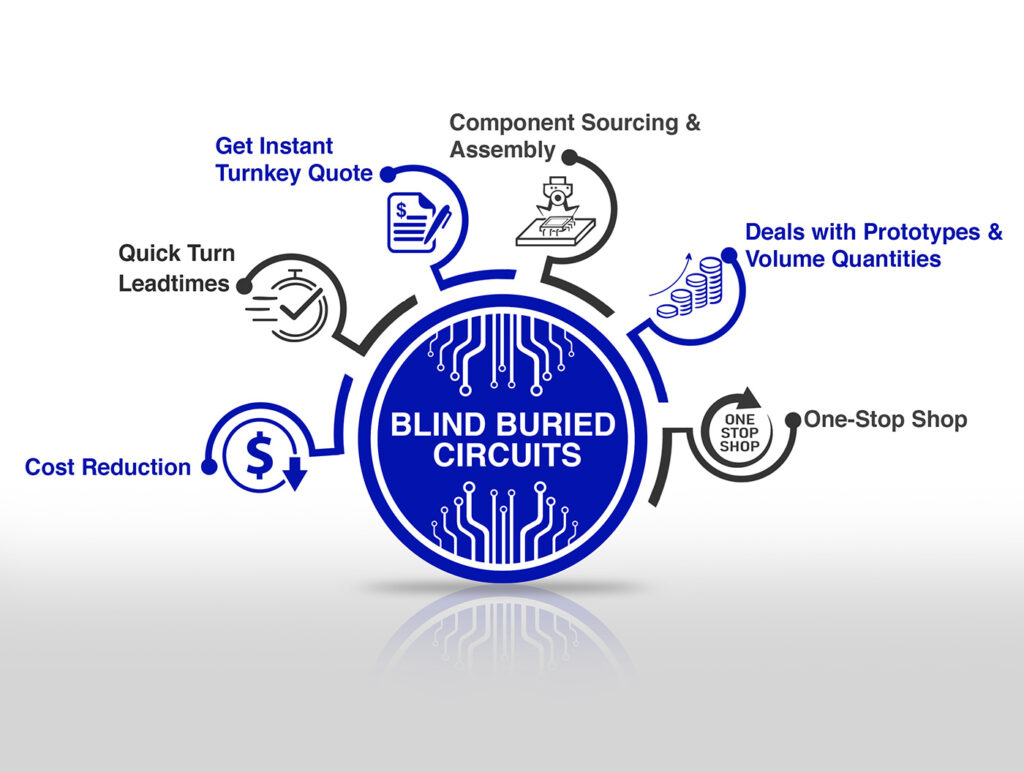
Some teams do not just need boards. They need sourcing, assembly, and delivery from one place. That is where a turnkey PCB service provider in the USA can help. First let us understand “What Is A Turnkey PCB Service Provider?”
A turnkey PCB service provider is a company that manages more than just board fabrication. It usually handles several parts of the job under one process. That may include PCB manufacturing, component sourcing, assembly, inspection, testing, and final delivery.
The main benefit of turnkey service is simplicity. Instead of managing separate vendors for bare boards, parts, and assembly, the customer works with one provider that coordinates the full job. This can reduce communication gaps, shorten handoff delays, and make the process easier to track.
But not all turnkey service is equal. Some providers handle the full supply chain directly, while others outsource major parts of the work. That is why buyers should ask how parts are sourced, how substitutions are approved, how traceability is managed, and how quality is checked across both fabrication and assembly.
A true turnkey PCB service provider should not only promise convenience. It should be able to explain how it keeps the full process under control from start to finish.
But do not assume “turnkey” always means strong supply-chain control.
Ask direct questions:
- Do they source all parts or only some parts?
- How do they handle substitutes?
- What is their counterfeit-part control process?
- Can they support domestic compliance needs?
- Who owns the approved manufacturer list?
For defense-related work, ITAR rules may matter. The U.S. State Department says DDTC oversees defense articles and services under ITAR. For aerospace supply chains, IAQG says AS9100 standardizes quality management requirements across aviation, space, and defense organizations. For counterfeit avoidance, SAE AS5553 standardizes practices to maximize authentic parts and procure from reliable sources.
So when reviewing a turnkey PCB service provider in usa, check whether the supplier’s sourcing controls are real, documented, and matched to your market.
Step 5: Review Testing, Inspection, And DFM Support
A fast supplier should not skip verification.
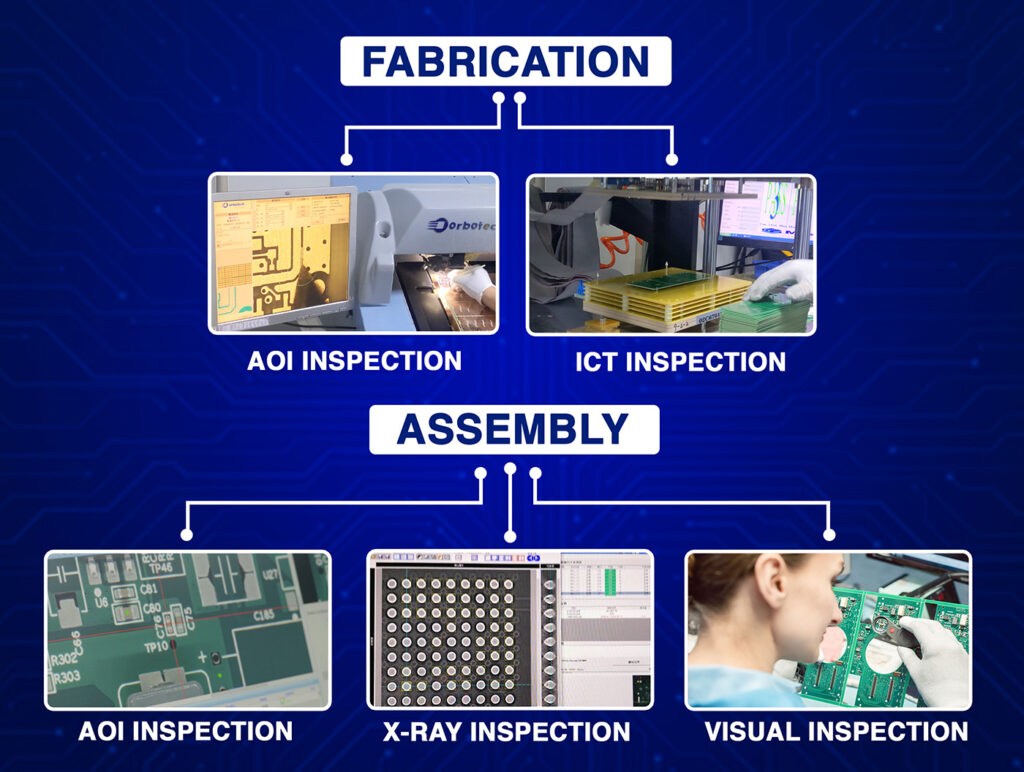
For quick-turn boards, useful checkpoints include:
- Electrical test
- AOI where appropriate
- X-ray for hidden solder joints when needed
- First article inspection
- Flying probe test for prototypes and low-volume runs
A flying probe is especially useful for low-volume and prototype boards because it avoids the need for dedicated fixtures while still checking electrical integrity.
Also, ask whether the supplier gives a real DFM review before production starts. That review should catch problems early, such as annular ring risk, solder mask slivers, impossible drill combinations, or stackup conflicts.
Blind Buried Circuits belongs in this part of the conversation, too, because advanced boards need more than speed. They need inspection and process discipline that match the design complexity.
Step 6: Verify Communication, Traceability, And Risk Control
The best quick-turn suppliers are usually easy to reach and specific in their answers.
Look for signs of maturity:
- Clear engineering feedback
- Written build notes
- Revision control
- Lot traceability
- Material documentation
- Fast response to open questions
ISO explains that quality management is not only about the final product. It is also about process consistency and continual improvement. That is exactly why communication matters in quick-turn work. Fast decisions with poor traceability create expensive mistakes.
Step 7: Start With A Smart Trial Order
Before moving a critical program, place a small but meaningful job.
A good trial order should test:
- Real lead time
- Engineering response quality
- Documentation clarity
- Fabrication accuracy
- Assembly quality
- Packaging and shipping discipline
This gives you proof. It also shows whether the supplier can support your actual product mix instead of only marketing claims.
Conclusion
Finding a reliable, quick-turn PCB supplier in the United States is not about choosing the fastest quote. It is about choosing the supplier that can prove its PCB manufacturing capabilities, follow strong PCB quality standards, and support real assembly success. If you need high-quality PCB and assembly in the US or want a dependable turnkey PCB service provider in usa, the right path is simple: define the board clearly, verify standards, check testing and sourcing controls, and start with a smart trial.
That is the safer way to move fast. Blind Buried Circuits sits naturally in this space because advanced PCB work demands both speed and discipline, not one without the other.
Do not choose a quick-turn PCB provider by lead time alone. Choose the one that can explain, document, and prove how it protects quality at every step.
FAQs
What Should I Check First In A Quick-Turn PCB Supplier?
Start with technical fit. Check whether the supplier’s PCB manufacturing capabilities match your board’s layer count, via structure, materials, line width, and assembly needs. Then verify standards and testing.
Which PCB Quality Standards Matter Most?
For many rigid boards, the main references are IPC-6012 for qualification and performance, IPC-A-600 for visual acceptability, and IPC J-STD-001 for soldered assemblies. ISO 9001 is also a strong quality-system baseline.
Why Is Flying Probe Testing Common In Quick-Turn Work?
A flying probe is useful for prototypes and low-volume runs because it checks electrical integrity without requiring a custom fixture. That makes it flexible for quick-turn production.
What Does A Turnkey PCB Service Provider in the USA Actually Do?
A turnkey PCB service provider in the USA usually handles PCB fabrication, part sourcing, assembly, inspection, and final shipment. The important question is how well it controls sourcing, substitutions, and counterfeit-part risk.
Is ISO 9001 Enough By Itself?
No. ISO 9001 is useful because it supports a consistent quality management system, but PCB buyers still need product-specific standards such as IPC-6012 and IPC J-STD-001.
When Do AS9100 And ITAR Matter?
They matter when your program touches aerospace, space, defense, or controlled U.S. defense articles and services. AS9100 adds aerospace-focused quality controls, and ITAR is tied to U.S. export-control rules overseen by DDTC.