

If you’ve ever worked on a circuit and noticed strange behavior, random heating, or drifting measurements, you might have been dealing with leakage current. It’s one of those issues that hides in the background. You don’t see it right away, but it quietly pulls your circuit off track. Once it grows too high, your board becomes less stable and far less reliable.
Here’s the thing. Leakage current isn’t some mysterious problem only engineers face. If you build small hobby circuits, repair equipment, or even put together something practical like a brick DIY BBQ controller with a simple temperature board, you’re dealing with leakage risks too. And if you work with a PCB board manufacturer or a shop that offers PCB fabrication USA services, understanding this problem helps you get better results from every build.
Leakage current is the unwanted flow of electricity through paths that were never meant to conduct. A good PCB directs current only where you want it. A board with leakage lets electricity wander off and cause trouble.
So what this really means is that your circuit starts losing control. Components drift. Readings shift. Insulation weakens. Heat builds. And in severe cases, the board ages faster than expected.
Once you know the causes, preventing leakage becomes much easier.
What Leakage Current Really Is
Think of electricity like water. You build a channel so water flows where needed. But if the soil gets wet or cracks show up, water seeps out. That seepage is your leakage current.
Some leakage is normal. But when the current becomes high enough to affect the function of your board, you need to fix the root cause.
You’ll see the impact faster in high-voltage circuits, sensitive measurement tools, radio circuits, and power boards. Even small boards you build at home can suffer from it if the layout or cleaning isn’t handled well.

Common Causes of High Leakage Current
Moisture and Dirt on the Board
Moisture is the number one enemy. When water settles on the board surface, it creates a thin film. Electricity loves shortcuts, so it starts taking that film as a new path. Add dust or grease to the mix, and the effect becomes even worse.

Traces Placed Too Close
When two copper traces are placed too close together, the insulation between them becomes weak. Electricity can jump across the gap, especially under high voltage. If dirt or moisture settles between these traces, the leakage becomes even stronger.
Low-quality solder mask, worn-out boards, or scratches on the surface also reduce the insulation strength.

Low-Quality PCB Materials
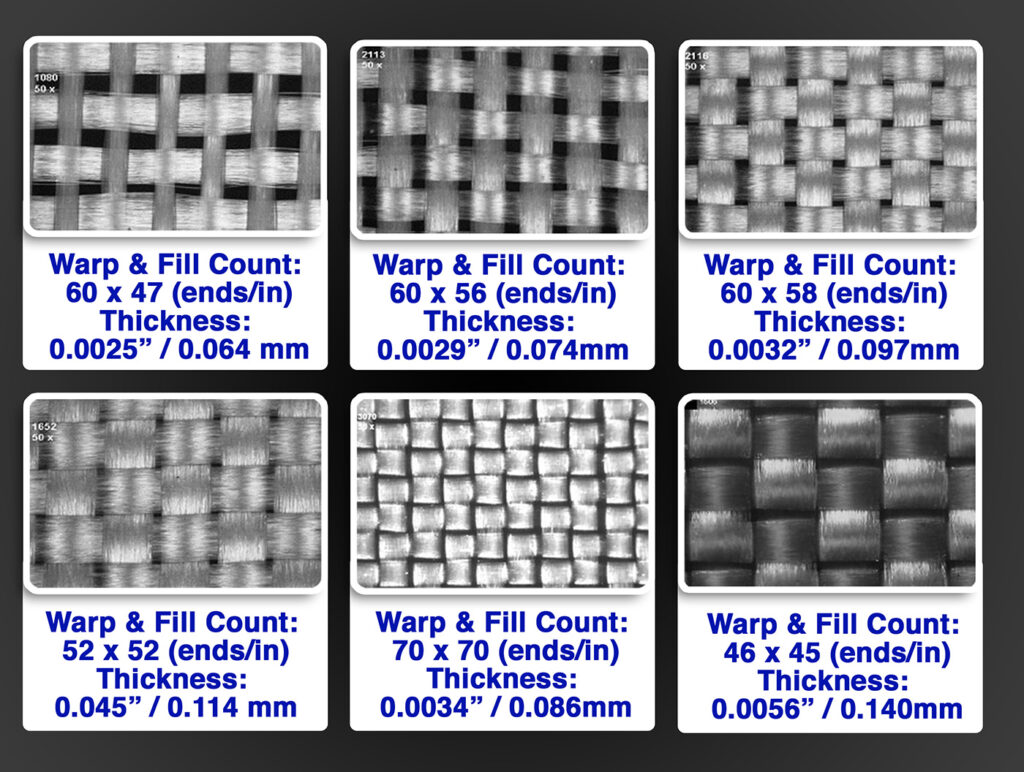
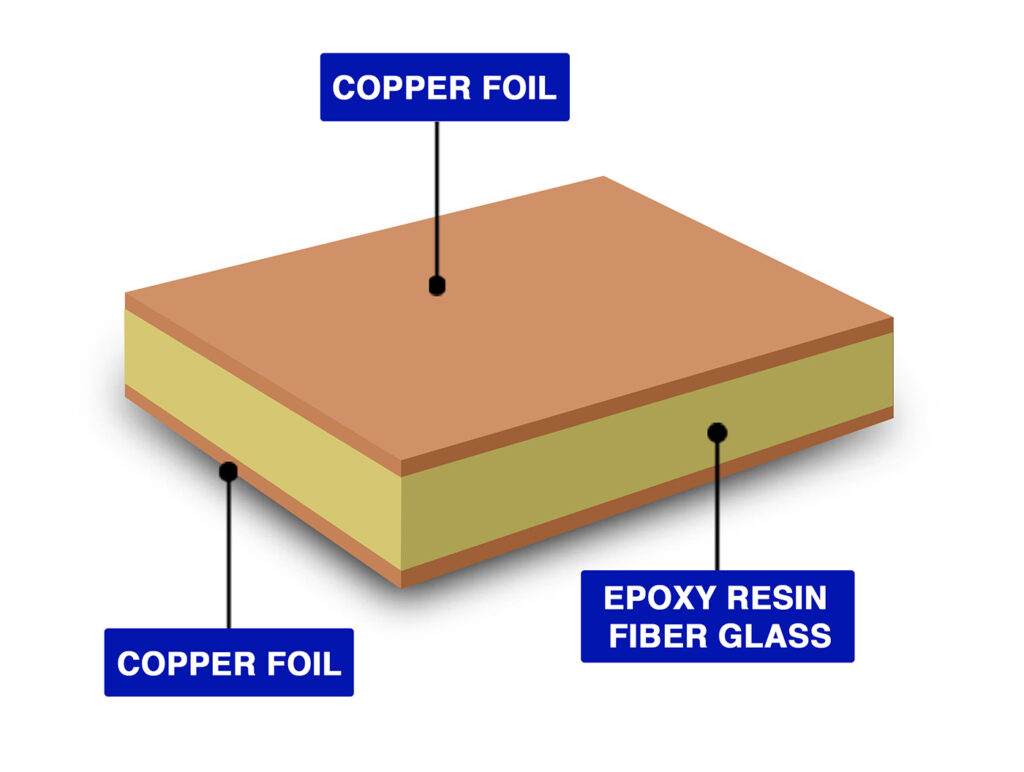
Every PCB material has a dielectric property. Some materials resist current better than others. Cheaper boards absorb moisture faster and lose insulation strength with time.
If your board is made with poor-quality materials, the leakage current grows even when the layout is correct.
This is where choosing the right partner helps. When you work with a skilled PCB board manufacturer or companies known for quality PCB fabrication USA, you get better materials that avoid many long-term leakage problems.

Soldering Issues That Create Hidden Paths
Solder bridges, tiny solder balls, or poorly cleaned flux can create direct or indirect paths for current. You may not see them, but they allow electricity to go where it shouldn’t.
Micro gaps in cold solder joints also create unstable paths that behave unpredictably when the board heats up.

Surface Roughness and Sharp Trace Corners
A rough copper surface retains small pockets of moisture or contaminants. Sharp corners concentrate electric stress. These little design mistakes increase leakage over time.
Even if they don’t cause immediate failure, they weaken the reliability of your circuit.

Environmental Factors
Humidity, chemical fumes, salt air near coastal areas, dust, heat, vibration, and UV exposure all degrade insulation.
When PCBs are installed outdoors or near equipment like grills, motors, or heaters, leakage becomes more common. You may not notice the damage quickly because it builds over months.

Aging Components and Material Breakdown
Nothing lasts forever. Resistors, capacitors, and even the board itself age. Their insulation strength drops, especially under heat or high voltage.
If you repair old electronics, you’ve likely seen boards where the surface looks dull or the solder mask becomes flaky. These are signs of weakening insulation, which almost always leads to higher leakage current.

Ways to Prevent High Leakage Current
Now that you know the causes, the next step is to keep leakage under control. Here are the most practical and effective ways to do that.
Keep Your Boards Clean
A clean PCB always performs better. Wash off all flux after soldering. Avoid touching sensitive traces with bare hands. Use proper cleaning solutions or deionized water when needed.
If your circuit will be used outdoors or near heat sources like a brick DIY BBQ, cleaning becomes even more critical. Clean boards don’t trap moisture.
Choose Quality Materials
Sound insulation starts with good materials. High-grade substrates resist moisture and maintain stable dielectric performance over time.
When you order custom boards, pick a trusted PCB board manufacturer or a shop specializing in PCB fabrication USA. They usually maintain better control over material quality, lamination strength, and surface treatment.
These small details make a real difference in reducing leakage issues.
Maintain Safe Spacing Between Traces
Follow proper spacing rules for your voltage level. The higher the voltage, the wider the spacing should be.
Sharp corners in copper traces should be rounded. This simple change reduces stress on the copper and lowers leakage risk.
Spacing errors are a top reason for leakage in DIY projects. So give your layout enough breathing room.
Add Conformal Coating
Conformal coating acts like a thin protective skin. It blocks moisture, dust, chemicals, and other contaminants.
If you use your board outdoors, near heat, or in a workshop with smoke or fumes, coating can save your circuit from early failure.
There are coatings made of acrylic, silicone, or urethane. Each protects in a different way, but all of them help reduce leakage paths.
Improve Soldering Practices
Good soldering reduces leakage problems across the board. Avoid excess solder. Remove solder bridges. Inspect every joint with a bright light or a magnifier.
Always clean off flux because it absorbs moisture over time. Even a thin layer of flux residue can create unwanted current paths.
Control Environmental Conditions
Store your PCBs in dry, clean boxes. Use silica gel if needed. If the board will run in a humid or dusty area, place it inside an enclosure.
Even small changes like sealing gaps or adding vents can keep moisture away from your circuit.
Replace Old or Weak Components
If your board is older or shows signs of aging, replace components that handle high stress. Old insulation is a significant cause of random leakage and instability.
Regular maintenance keeps your circuit healthy and predictable.
Final Thoughts
High leakage current isn’t something you fix once and forget. It’s something you prevent every time you design, build, clean, store, or install a PCB. When you understand the causes, you can spot problems before they damage the board.
Clean surfaces, proper spacing, strong materials, and good soldering are the most reliable ways to keep leakage low. And when you work with a trusted PCB board manufacturer or a team offering PCB fabrication USA, you get boards that stay stable for much longer.
Whether you’re building a hobby project like a brick DIY BBQ controller or designing a complex industrial board, keeping leakage under control protects your work, saves time, and improves the life of your circuit.
FAQs
1. What causes high leakage current in PCBs?
Moisture, dirt, tight spacing, weak materials, and bad soldering all create unintended conductive paths. Good cleaners and a reliable PCB board manufacturer keep these risks low.
2. How does moisture affect leakage current?
A thin film of water turns the board surface into a partial conductor. Keeping the PCB clean and sealed is more effective than most people expect.
3. Why does trace spacing matter so much?
Traces placed too close allow current to jump across and leak under high voltage. Following PCB power supply layout guidelines prevents this mistake instantly.
4. Can PCB material quality change leakage behavior?
Yes—cheap materials absorb moisture and break down faster. Shops offering higher-grade PCB fabrication USA use better laminates that resist leakage.
5. Do soldering issues increase leakage current?
Flux residue, solder balls, and bridges all create surprise conduction spots. Clean, controlled soldering removes most of these problems.