

If you’re trying to design a reliable, flexible circuit board that combines stiff and bendable parts, you’ve probably already realized it’s not an easy job. Rigid-flex PCBs are clever solutions, lightweight, space-saving, and durable. But they’re also complex. That’s why Design for Manufacturability, DFM, is so important.
If you make even a tiny mistake in your design, you could face costly delays, failures, or fragile boards. The best way to avoid these mistakes is to work with a rigid flex PCB manufacturer with experience, such as Blind Buried Circuits. You can rely on us to guide you so your design is strong, flexible, and ready to be produced without surprises.
Let’s walk through the most common DFM mistakes and other essential flex PCB fabrication guidelines.
1. Choosing Wrong Materials
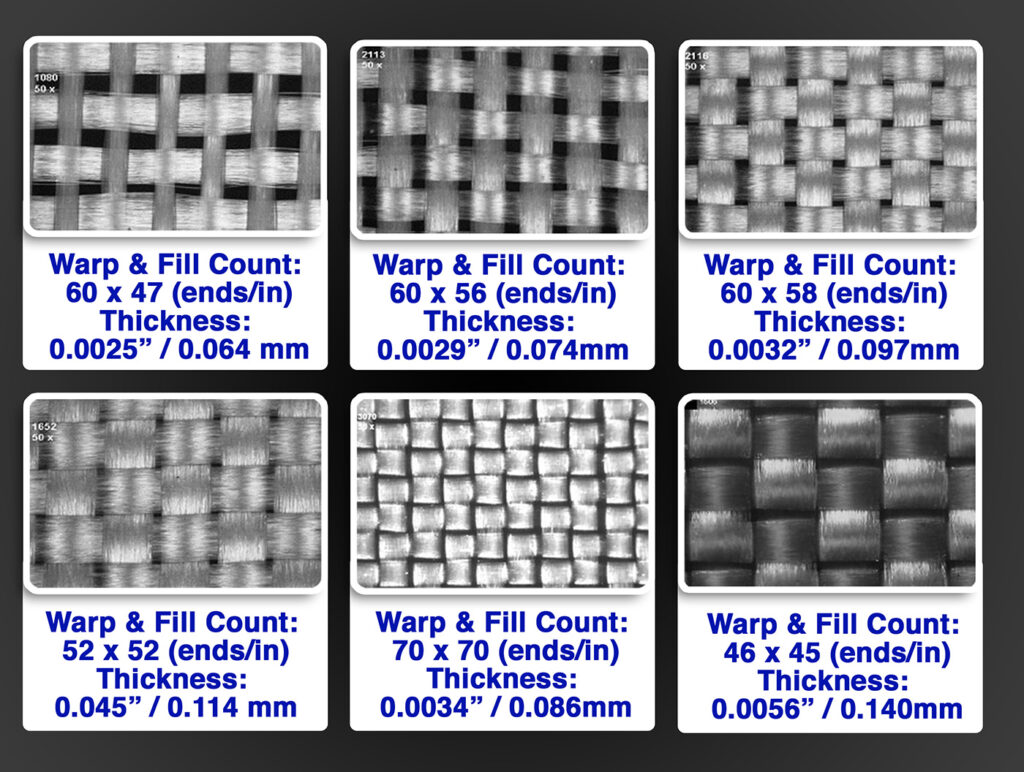
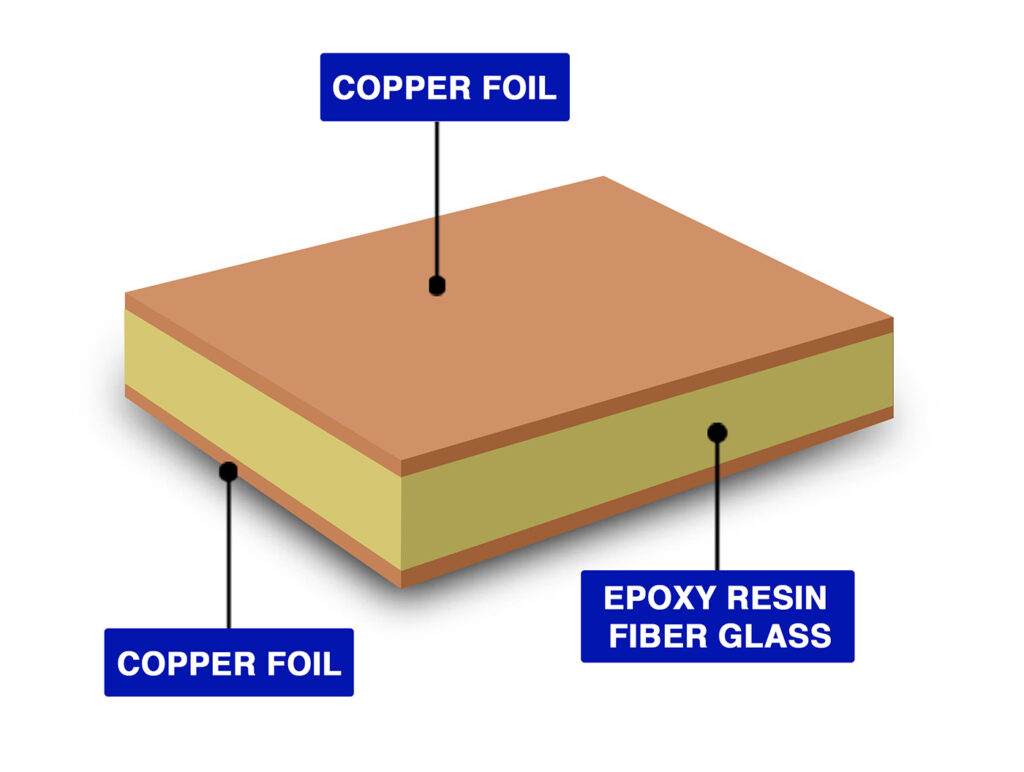
Every material has a role. Flexible parts need materials like polyimide that bend easily and resist heat. Rigid parts need sturdy FR-4. If you pick the wrong materials, say, a flexible material that isn’t heat resistant, you risk cracks or delamination.
How to avoid: Work closely with your rigid flex PCB manufacturer. Use proven materials recommended for your application. Confirm material specs, especially for flex sections.

2. Poor Stack-up & Violating Layer Placement
The arrangement of layers, the stack-up, is critical. If the layers aren’t planned well, the board can warp or crack when bent. Also, placing vias or holes too close to bend zones causes stress points.
How to avoid: Design a balanced stack-up early, with layers properly supported. Keep vias and drilled holes away from bend lines to prevent cracking.

3. Improper Routing in Flex Zones
Routing traces across those bend regions without care creates weak points. Sharp angles or traces crossing near the bend line tend to crack when flexed repeatedly.
How to avoid: Route traces along the bend lines, keep routing simple, and use smooth, curved traces instead of sharp angles.

4. Not Calculating the Bend Radius Correctly
Bending your board too tightly beyond its limit causes stress. If you forget to calculate or ignore the minimum bend radius, cracks and failures happen fast.
How to avoid: Measure your material’s bend radius, usually at least 10 times the thickness, and design accordingly. Follow your rigid flex PCB manufacturer’s guidelines.

5. Bending Over 90 Degrees Repeatedly
Bending a flex zone more than 90 degrees multiple times weakens the material and shortens the board’s life span.
How to avoid: Keep flex bends gentle. Limit the bend angle to 90 degrees or less. Use gradual bends, not sharp ones.

6. Overlapping or Stacking Traces in Flex Zones
Traces that cross or stack in flexible zones create stress points that crack easily over time.
How to avoid: Space traces properly. Always avoid stacking or overlapping traces in the bend areas.

7. Insufficient Hole to Flex Zone Clearance
Holes drilled near flex zones can cause cracks, especially if the hole edge is too close to the bend.
How to avoid: Maintain at least 1.5 mm clearance from holes to flex zones. Check your design rules or consult your rigid flex PCB manufacturer.

8. Hole Sizes Too Small
Tiny holes may not plate well, leading to weak electrical or mechanical connections.
How to avoid: Follow industry standards for hole sizes, usually, holes smaller than 0.2 mm are risky in flex zones. Use recommended sizes for your materials.

9. Drill-to-Copper Spacing Too Narrow
If the drill holes are too close to copper traces in flex zones, the copper can peel or crack during flexing.
How to avoid: Keep at least 6 mils (0.15 mm) distance between drill holes and copper.

10. Using Solid Power or Ground Planes in Flex Regions
A solid copper plane is stiff and can cause stress, breaking in a flex zone.
How to avoid: Replace solid planes with cross-hatched or mesh copper patterns to maintain flexibility.

11. Abrupt Changes at Rigid-Flex Transition Zones
Sharp, sudden changes from rigid to flex zones cause stress concentrations and cracks.
How to avoid: Design smooth, curved transitions. Add stiffeners or extra support to reduce stress.

12. Sudden Changes in Trace Widths
Big jumps in trace width or density cause weak points.
How to avoid: Use matching trace widths and add teardrops, small curved shapes that make smooth transitions between different trace widths.

13. No Support or Stiffeners Near Connectors
Heavy or rigid components mount on flex zones, which need extra support.
How to avoid: Place stiffeners or supports around connectors and interconnects to prevent bending damage

How to Avoid These Mistakes: Rigid-flex PCB Design Tips
| Mistake | How to Fix It |
| Wrong materials | Use proven flex and rigid materials, consult your manufacturer. |
| Poor layer planning | Design a balanced stack-up and keep vias away from bends. |
| Bad routing | Route along bend lines; use smooth curves. |
| Wrong bend radius | Design bends with a radius at least 10x material thickness. |
| Bending over 90° | Keep bends gentle, less than 90°. |
| Overlapping traces | Space traces and avoid stacking in flex zones. |
| Hole too close | Keep at least 1.5 mm clearance from flex zones. |
| Tiny holes | Follow industry-standard hole sizes. |
| Drill-to-copper gap | Maintain minimum 6 mils spacing. |
| Solid planes in flex | Use mesh or cross-hatched copper. |
| Abrupt transition zones | Smoothly curve or shape transitions. |
| Sudden trace width changes | Add teardrops and smooth shapes. |
| No stiffeners | Use stiffeners near connectors and support zones. |
Preparing Files Before Sending to Your Rigid Flex PCB Manufacturer
Before you send your designs for fabrication, verify:
- Your materials are chosen correctly and matches your needs.
- The layer stack-up is planned for strength and flexibility.
- Bend areas, bend radius, and angles are clearly marked and supported.
- Hole sizes and clearances meet industry standards.
- Routing and trace placement follow flex PCB fabrication guidelines.
- Transition zones are smooth, with reinforced supports.
- Files are error-free and ready for review.
Why Choosing the Right Rigid Flex PCB Manufacturer Matters
Working with an experienced flex rigid pcb manufacturer like Blind Buried Circuits ensures your design is built right the first time. They know how to guide you on the best materials, stack-up, and manufacturing techniques. This helps you avoid costly rework, delays, or failures after assembly.
Conclusion
Designing a flexible, reliable rigid-flex PCB takes careful planning and knowledge. Avoid these 13 common DFM mistakes, follow best practices, and work with an expert manufacturer. Your boards will be stronger, more flexible, and last longer. Remember, good design and good manufacturing go hand in hand.
Always review your files thoroughly before sending them to your rigid flex PCB manufacturer. Use a clear checklist, ask questions early, and partner with trusted experts like Blind Buried Circuits. When you do that, you’ll find your project runs smoother, costs less, and produces durable, high-quality boards.
FAQs
What are the most common mistakes made during rigid-flex PCB design?
The biggest mistakes are choosing the wrong materials, miscalculating bend radius, placing vias or holes too close to flex zones, and abrupt transitions between rigid and flex parts. Working with a trusted flex rigid pcb manufacturer helps catch these issues early.
How does proper DFM improve the longevity of a rigid-flex PCB?
Following DFM guidelines like correct material selection, smooth transitions, and proper via placement ensures your board can bend repeatedly without cracking or failing prematurely.
What are the essential rigid-flex PCB design tips in a rigid-flex system?
Design gentle bends with large radii, use mesh copper patterns in flex zones, avoid sharp angles and overlap traces, and add stiffeners near connectors to prevent damage.
Why is stiffening important in rigid-flex PCB design?
Stiffeners support the flexible sections near connectors or heavy components, preventing excessive flexing that can crack solder joints or damage the board.