


Accurate PCB drilling is one of the top tier crucial steps in board fabrication. Each hole whether its a via, a component lead opening, or high-speed signal path it must be clean, precisely positioned, and burr free. By making sure to use the right pcb drills, controls feed rates in mechanical drilling and for applying advanced methods such as back drilling in pcb directly influences impedance control, layer connectivity, and long-term reliability. For teams aiming for fast pcb manufacturing or scaling pcb production operations, mastering the drilling process ensures fewer defects and higher yields.
This guide details essential dos and don’ts, with proven practices and step-by-step instructions to help engineers achieve consistent, production-ready drilling pcb holes every time.
Understanding PCB Drills and Mechanical Drilling Basics
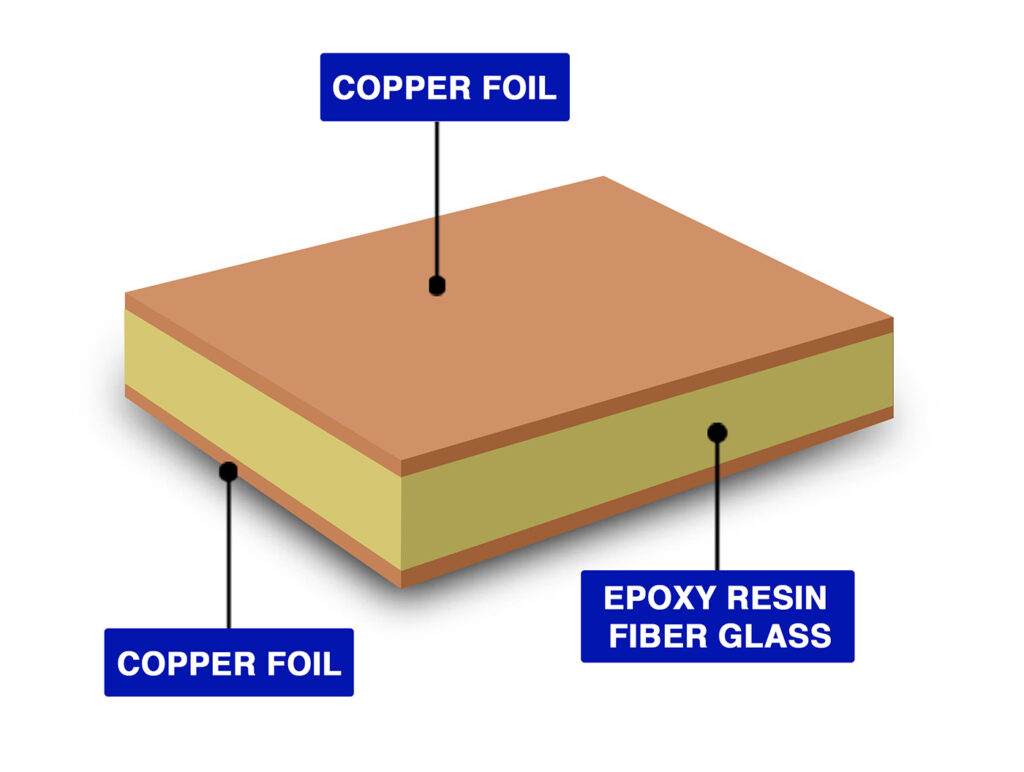
PCB drills are specialized cutting tools designed to create clean, precisely placed holes which connect layers. In mechanical drilling, high-speed spindles rotate carbide bits or micro drills at tens of thousands of RPM to penetrate fiberglass or composite substrates.
Choosing the right drill for pcb board secures proper plating, minimal burring,and structural integrity. Poor tool selection or machine setup can result in costly scrap and delayed pcb manufacturing and assembly timelines.

Step-by-Step Process: How to Drill PCB
Successful pcb drilling entails a well-structured workflow
Preparing the PCB Board
Begin with a design check to verify hole sizes and pad alignment. Clean and secure the panel to remove vibration. For fast pcb manufacturing, early detection of layout errors saves time and prevents rework.
Selecting the Right Drill for PCB Board
Match the bit diameter to the intended via or component lead. Carbide drills handle standard FR-4, while diamond-coated bits excel with tougher laminates. Correct bit length prevents deflection during mechanical drilling and extends tool life.
Executing the Drilling PCB Holes Operation
Calibrate spindle exceed and feed rate based on board thickness. Excessive pressure creates heat and delamination. So to use sharp pcb drills and monitor tool wear constantly make the consistent cooling and debris to remove the crucial for high-volume pcb production operations.
Back Drilling in PCB for Signal Integrity
Back drilling in pcb removes unused stubs on through-holes to reduce signal reflection and crosstalk in high-speed circuits.
This step improves impedance control and is essential for 5G, aerospace, and high-frequency devices.
Advanced Methods and Solutions for Fast PCB Manufacturing
Modern electronics demand speed and accuracy. Partnering with end-to-end pcb manufacturing and assembly providers streamlines fabrication, drilling, and component placement.
Automation and CNC machines with multi-spindle heads enable fast pcb manufacturing without giving up on precision. For companies operating in or sourcing from the pcb production compliance with IPC standards and domestic supply chains ensures quality and reduces shipping delays.
Avoid common PCB drilling pitfalls. Partner with BlindBuriedCircuits Inc to streamline your production and maintain top-notch quality.
Practical Dos and Don’ts for Effective PCB Drilling
Do’s:
- Use calibrated CNC machines and maintain them regularly.
- Choose the correct drill for the pcb board to reduce heat and better plating.
- Follow the accurate documentation for pcb manufacturing and assembly to ensure repeatability.
Don’ts:
- Don’t exceed recommended spindle speeds; overheating leads to delamination and scrap.
- Avoid reusing dull bits because this increases stress on boards and compromises hole quality.
- Don’t overlook back drilling in pcb where high-speed signals demand clean impedance.
These practical insights shorten production cycles, making fast pcb manufacturing achievable without compromising quality.
Conclusion: The Future of PCB Drilling and Your Next Steps
PCB drilling continues to advance with smarter machines, ultra-fine micro bits, and sustainable processes. As high-speed digital circuits dominate the market, techniques like back drilling in pcb and laser micro-vias will become standard. By following these dos and don’ts, leveraging the best pcb drills, and aligning with reliable partners, manufacturers can achieve faster turnaround, higher yields, and robust product performance. Email us at sales@blindburiedcircuits.com