

You’re managing a PCB project across three different suppliers. One builds bare boards. Another source of components. A third does assembly. When something breaks, everyone points fingers while your deadline slips away.
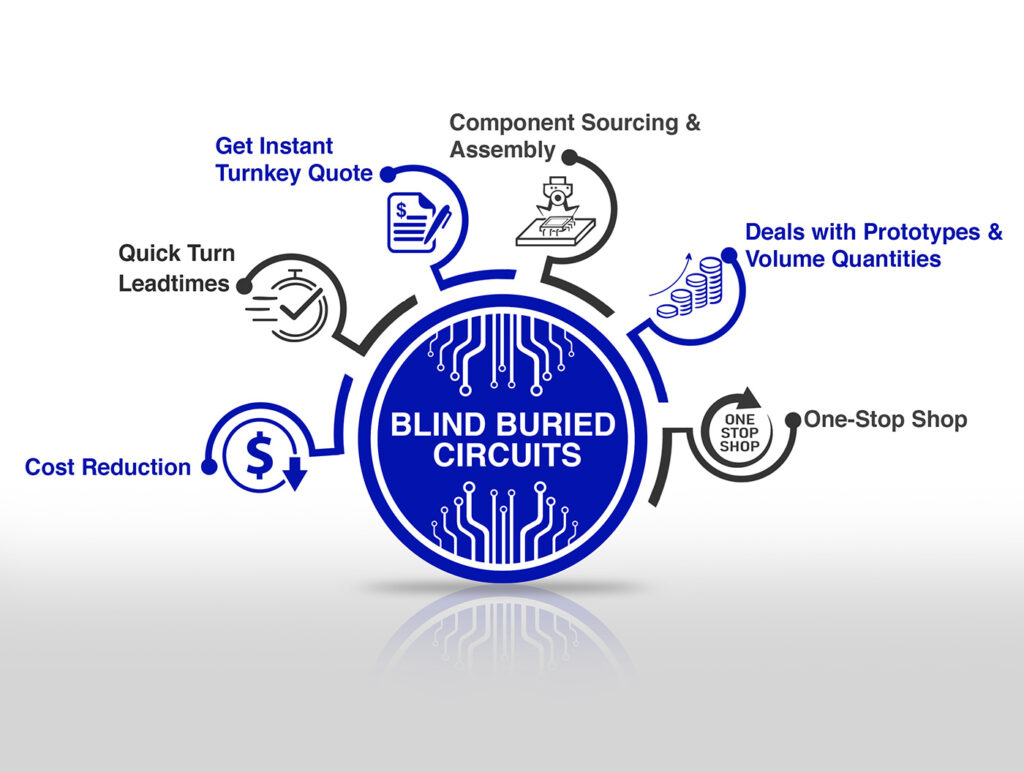
This is precisely why turnkey PCB manufacturing exists. Everything happens under one roof, fabrication, parts buying, assembly, testing, and shipping. One facility, one team, one point of contact.
This blog will discuss why single-facility turnkey beats juggling multiple vendors. The benefits go way beyond convenience.
What Turnkey Actually Is
Full turnkey PCB assembly means you send design files and get back working boards. The manufacturer does everything in between.
They fabricate bare PCBs. They buy components from distributors. They run assembly lines for both surface-mount and through-hole parts. The test finished. They pack and ship completed products.
Compare this to a partial turnkey, where you supply some parts yourself. Or consigned assembly, where you buy everything and just pay for labor. With turnkey PCB manufacturing services, you’re hands-off except for design and specs.

Why One Building Changes Everything
Separate facilities create stupid problems. Your board fab doesn’t talk to your assembly house. Issues that seem obvious to an assembler never reach the fab team until boards arrive damaged or wrong.
Put both teams in one building, and problems disappear. The fab supervisor walks over to the assembly floor to ask about tight tolerances. Answers come in minutes, not email chains spanning days.
Nobody can dodge responsibility either. When defects show up, there’s one management team accountable for the whole process. No vendor blames games. Just solutions.
Faster Than You Think
Turnkey PCB manufacturing cuts serious time off your schedule. Fabrication and assembly planning happen at the same time instead of waiting for one to finish before the next starts.
Your fab team knows what assembly needs before cutting the first panel. They pick surface finishes that work for your components. They set up tooling that matches assembly requirements. Zero waiting for boards to ship across town or across continents.
Change something in your design? Both departments update together. You’re not tracking separate revision cycles with different vendors who all need their own lead times.
Logistics delays just vanish. Boards go from final fab inspection straight to the assembly line. No shipping companies. No customs forms. No “lost in transit” excuses.
Quality That Makes Sense
High-quality PCB production needs consistent standards from start to finish. One building means one quality system covering every step.
Assembly engineers inspect boards right after fabrication while they’re still warm. Surface problems, warpage, and dimensional mistakes, all get caught instantly. No discovering issues days later when boards arrive from a different facility.
Here’s something most people miss. The assembly team adjusts stencil designs based on exact fabrication tolerances, not theoretical numbers from datasheets. They know how the fab equipment actually performs because it’s down the hall. This prevents defects before they happen.
When testing finds problems, root cause analysis is fast. Fabrication and assembly engineers sit in the same conference room looking at the same evidence. No multi-company conference calls where everyone protects their turf.
Real Money Saved
Turnkey PCB manufacturing services quotes look big because they include everything. But the total project cost almost always drops compared to multi-vendor sourcing.
Shipping costs vanish completely. You’re not paying freight between fab and assembly. No rush charges when boards get delayed in transit. No customs fees for international vendors.
Component prices drop, too. Turnkey shops buy parts in bulk across all their customers. They negotiate better rates with distributors than you’d get for one project. Those savings show up in your quote.
Fewer boards get scrapped. Better communication between teams means fewer mistakes. Higher first-pass yields mean less rework labor. Scrap directly hits your wallet, less scrap means lower costs.
Your internal costs drop as well. One purchase order instead of three. One payment instead of multiple invoices. One person to call instead of coordinating three project managers. Your time has value.
Design Help That Actually Helps
Turnkey PCB manufacturing gives you feedback from both fab and assembly perspectives at the same time.
Both engineers review your layout together. Fab checks if they can build it. The assembly checks if they can assemble it. Conflicts get spotted before you order prototypes.
Real example: You designed via spacing that’s technically manufacturable. Fab says they can drill it. But the assembly warns that those vias will wick solder away during reflow, causing openings. That’s valuable information you’d miss with separate vendors.
Or your thermal pad design. Fab can build it fine. Assembly knows from experience that it’ll trap flux gases and create voids. A simple fix during design saves rejecting 500 boards later.
These teams suggest improvements you wouldn’t think of. Different layer stackups that boost assembly yield. Surface finish changes that work better for your specific parts. Minor tweaks that increase reliability and often cost less.
Way Less Hassle
Full turnkey PCB assembly means managing one supplier relationship instead of three or four.
One purchase order. One set of terms. One invoice. One tracking number. Your accounting department will actually like you.
Communication gets stupid simple. Need a status update? Call one person who knows the whole picture. Want to swap a component? One conversation makes it happen across fabrication and assembly immediately.
Risk drops substantially. You’re not depending on three separate companies staying in business and maintaining standards. One solid turnkey partner handles everything.
Nobody Can Pass the Buck
Multi-vendor projects create blame cycles. Board fab says assembly damaged the boards. Assembly claims fabrication was out of spec. You’re stuck in the middle, paying for investigations.
Turnkey PCB manufacturing ends this garbage. One company owns all of it. They can’t blame anyone else because there is nobody else.
Problems get fixed fast because the teams work together daily. They’re not protecting separate corporate interests. They’re solving issues that affect their shared production floor.
Growing Production Without Drama
Starting with prototypes and scaling to volume is painful with multiple vendors. Your prototype shop might not do production quantities. Your assembly house might use totally different equipment for volume runs.
Turnkey PCB manufacturing services scale smoothly. The same facility handles 10 boards and 10,000 boards. Same equipment. Same processes. Same team that learned your design during prototyping.
Quality stays consistent as volumes grow. They have already optimized assembly processes on your prototypes. Production runs hit target yields right away instead of troubleshooting at volume.
Who Needs This Most
Startups need speed without manufacturing expertise. Turnkey partners fill knowledge gaps and move fast.
Companies without internal manufacturing get professional, high-quality PCB production without building factories. Focus on your product while experts handle manufacturing.
Complex designs benefit hugely. HDI boards, rigid-flex, RF assemblies, these need tight coordination between fabrication and assembly. Turnkey delivers this automatically.
Anyone facing tight deadlines uses turnkey to compress schedules. When market timing matters, turnkey PCB manufacturing delivers speed without quality compromises.
Picking the Right Partner
Check their technology range to cover your needs. Layer counts, minimum features, materials, special processes like blind vias or controlled impedance.
Assembly capability matters just as much. Can they place your components? Do they handle BGAs, fine-pitch ICs, and odd-form parts?
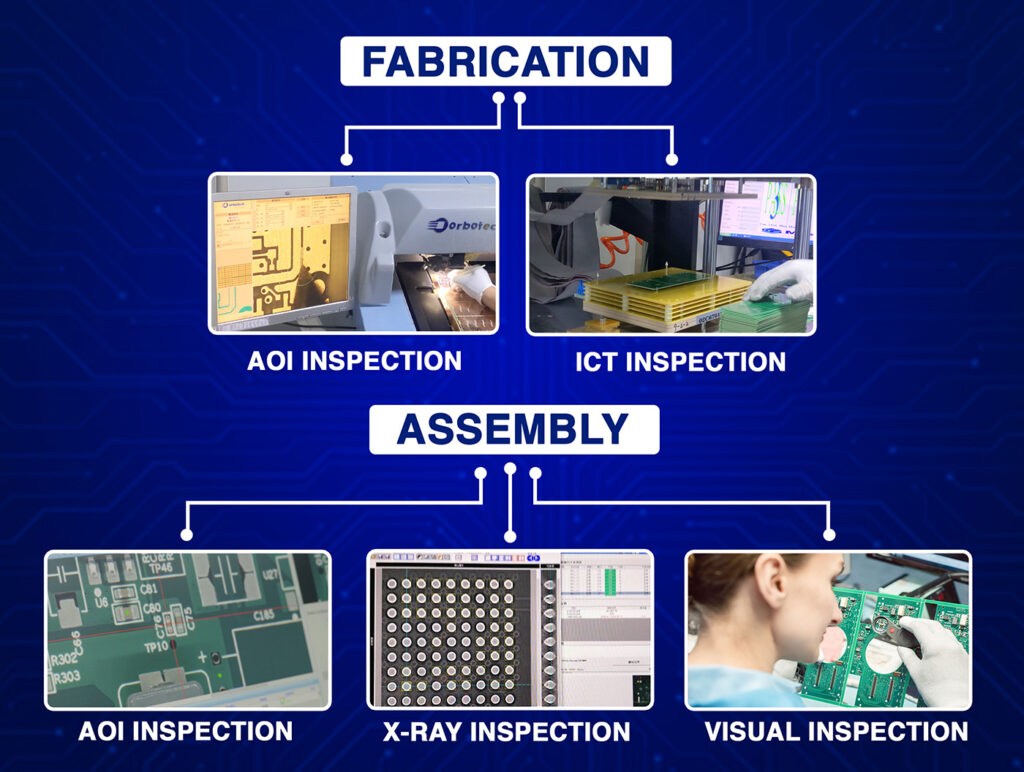
Testing capability separates good from great. Look for AOI, X-ray, in-circuit testing, and functional validation.
Component sourcing must be transparent. Good partners show you approved vendor lists and provide traceability. They buy from authorized distributors, never sketchy gray market sources.
Certifications show maturity. ISO 9001, IPC standards, RoHS compliance, plus any industry-specific requirements for automotive, medical, or aerospace.
Bottom Line
Turnkey PCB manufacturing in one facility solves problems that multi-vendor sourcing creates. Faster timelines, better quality, lower total cost, zero finger-pointing.
Coordination happens naturally when everyone works in the same building. Issues that would take days across multiple companies get resolved in minutes.
For complex designs, tight schedules, or limited internal resources, complete turnkey PCB assembly makes perfect sense. You’re not just buying manufacturing, you’re getting a partner invested in your success.
Talk to turnkey manufacturers during design, not after layouts are done. Their input prevents expensive redesigns and optimizes boards for high-quality PCB production from day one.
FAQs
What’s the difference between turnkey and consigned PCB assembly?
Turnkey PCB manufacturing includes buying all components, consigned means you purchase and supply parts yourself while paying only for assembly work.
Does a turnkey cost more than using separate vendors?
No, the total project cost typically drops 15-25% with turnkey PCB manufacturing services through eliminated shipping, bulk component discounts, less rework, and lower admin costs.
Can one facility really handle prototypes and production volumes?
Yes, turnkey operations use the same equipment and processes for all quantities, keeping quality consistent from 5 prototypes to 5,000 production units.
Do I lose control over which components get used?
Not with good partners, quality turnkey PCB manufacturing services provide component sourcing transparency and collaborate on part selection instead of forcing their choices.
Why does quality improve in a full turnkey PCB assembly versus multiple vendors?
One quality system, instant feedback between fabrication and assembly teams, coordinated design reviews, and integrated testing catch problems faster than gaps between separate companies allow.