

Modern electronics are becoming smaller, more efficient, and more robust. This progress is not without a big issue. Heat. If the heat isn’t controlled correctly, it is possible for even the most sophisticated circuits to fail quickly. This is the reason PCB heat management methods are crucial to performance and reliability.
At Blind Buried Circuits, engineers are often able to see the way poor thermal planning can lead to rework, signal problems, and a shorter product life. This guide will explain the techniques for managing thermal on PCBs in a clear and practical manner. Learn the way that heat affects the PCB, how you can control it, and also how to create boards that last under actual operating conditions.
Why Heat Dissipation Matters In PCB Design
PCB Thermal Management Techniques For Long-Term Reliability
Every electronic device produces heat. Some generate very little. Others, such as processors, which power MOSFETs and LEDs, produce quite a bit. If the heat remains locked, it can raise the temperature of the board.
High temperatures can lead to:
- The component’s lifespan is reduced.
- Signal instability
- More failure rates
- Warping and material stress
Effective PCB thermal management methods aid in moving heat away from areas that are sensitive. They shield the circuit and help keep it steady over time.
The management of heat is not an added feature. It should be a part of the design right from the beginning.

Common Heat Sources On Modern PCBs
Processors And Microcontrollers
Processors are able to handle high-speed information and perform complex tasks. This can lead to:
- Small footprints of concentrated heat
- Local hotspots close to the heart
- Higher temperatures and faster clock speeds
In the absence of proper thermal pathways the heat will build quickly.

Power MOSFETs And Voltage Regulators
Power components manage the flow of current and switch. They generate heat by:
- Losses from switching
- Conduction losses
- High current density
These components often determine the temperature limitations of the whole board.
LEDs And Lighting Circuits
LEDs are energy efficient; however, they are not completely non-heat-producing. A lack of heat removal can lead to:
- Dimming brightness
- Color shift
- Early failure
This is what makes components for the design of power PCBs essential for LED applications.

Core Principles Of PCB Heat Management
Practical PCB Heat Management Techniques For Designers
When choosing the materials to use or installing heat-sinks to their designs, engineers must adhere to the basic rules.
Heat Must Have A Path
The heat should shift away from:
Component – Copper – Board – Air
If any portion of this pathway is weakened, heat can get trapped.
Spread Heat Before Removing It
Spreading heat over a larger area of copper decreases hotspots. This increases the overall stability of the board.
Design For Real Conditions
Always take into consideration:
- Ambient temperature
- Enclosure airflow
- Continuous operation
In the absence of real-world usage, you can lead to thermal shocks in the future.
Materials That Improve PCB Heat Dissipation
The selection of the right material is an essential part of designing custom PCB manufacturing for designs with high power.
PCB Substrate Selection
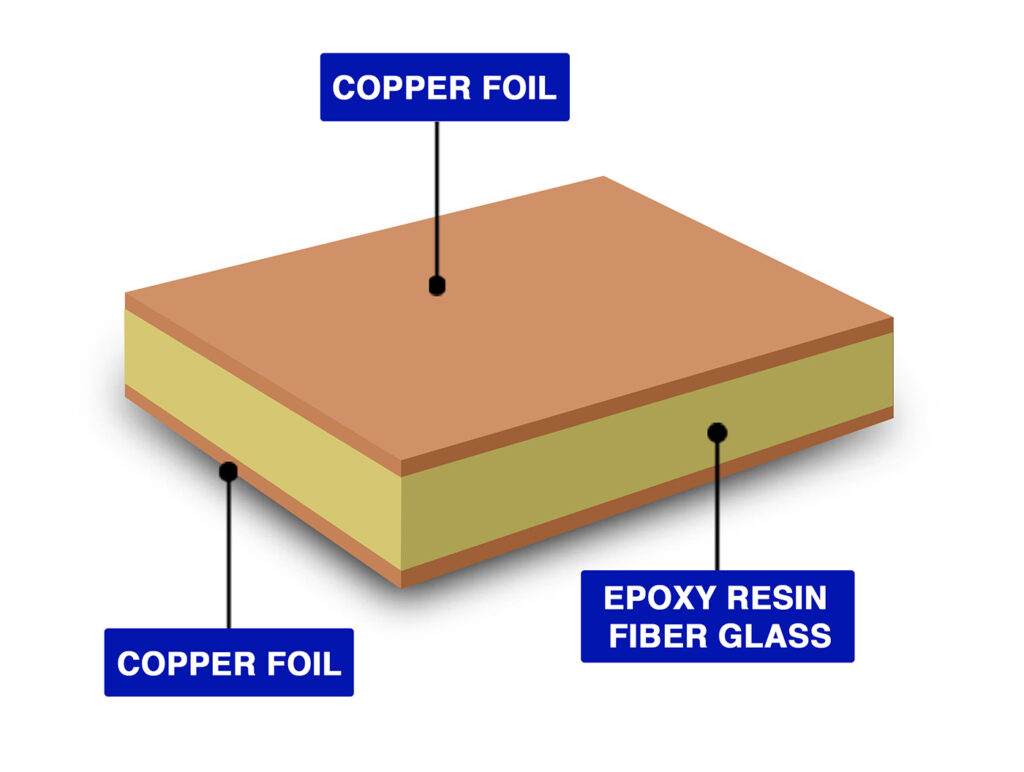
Standard FR-4 is a standard; it is not without its limitations. For higher power, designers may consider:
- High-Tg laminates
- Thermally improved Thermo-enhanced
- Metal-core PCBs designed for extreme use
These materials used in designing power circuit boards enhance heat transfer across the board.
Copper Thickness And Layer Count
Copper with a higher density can distribute heat more effectively.
Benefits include:
- Lower resistance to thermal energy
- Better current handling
- Increased mechanical strength
Multi-layer boards permit heat to circulate within internal planes.
Thermal Interface Materials
Materials that form thermal interfaces help transfer heat between:
- Heat sinks, components, and other parts
- Enclosures and boards
They narrow air gaps, which can block heat flow.
Component Placement Techniques For Better Heat Control
PCB Heat Management Techniques That Start With Smart Layout
The place you put components is just as important as the components you’ll use them for.
Keep Heat Sources Apart
The proximity of hot components can cause thermal buildup. The spread of these components helps heat be distributed naturally.
Separate Hot And Sensitive Components
Keep parts that produce heat from:
- Sensors
- Analog circuits
- Signal paths with high-speed speeds
This helps ensure signal integrity and accuracy of measurement.
Use Airflow Wisely
Position hot components:
- Near the edge of the board
- Along airflow pathways
This lets heat be able to escape more quickly.
Thermal Vias And Copper Planes
Essential PCB Thermal Management Techniques For Dense Boards
What Thermal Vias Do
Thermal vias transfer warmth from the top layers into the internal or lower layers.
The best practices are:
- Utilizing several small vias instead of one large via.
- Placing vias directly on thermal pads
- Connecting vias to copper planes
Copper Planes As Heat Spreaders
Solid copper planes work as heat highways. They:
- Spread the heat equally
- Reduce localized stress
- Help ensure power Integrity
These features are standard for the custom PCB manufacturing in power electronics.
Integrating Heat Sinks Effectively
Advanced PCB Heat Management Techniques For High-Power Designs
Heat sinks get rid of heat from components when copper isn’t enough.
When Heat Sinks Are Needed
The use of heat sinks is helpful in the following situations:
- Power density is very high.
- Space on the board is minimal.
- Passive cooling is a requirement.
Design Tips For Heat Sink Integration
- Ensure flat contact surfaces
- Use proper mounting pressure
- Do not block airflow
They are most effective when used in conjunction with thermal vias as well as copper planes.
Common Thermal Design Mistakes
Issues Often Seen In PCB Thermal Management Techniques
Even designers with experience face issues with thermals.
Common issues are:
- The early design ignored heat
- Underestimating power dissipation
- Insufficient copper area
- Poor through placement
- Putting your faith in the last-minute fix
These errors often result in delays and revisions.
Testing And Validating Thermal Performance
Closing The Loop On PCB Heat Management Techniques
Design is just half the job. Tests confirm the results.
Thermal Simulation
Simulations can help you predict:
- Hotspots
- Airflow behaviour
- Material performance
They permit modifications prior to production.
Real-World Thermal Testing
Testing in real-world conditions guarantees:
- Temperatures for safe operation
- Long-term stability
- Conformity to standards
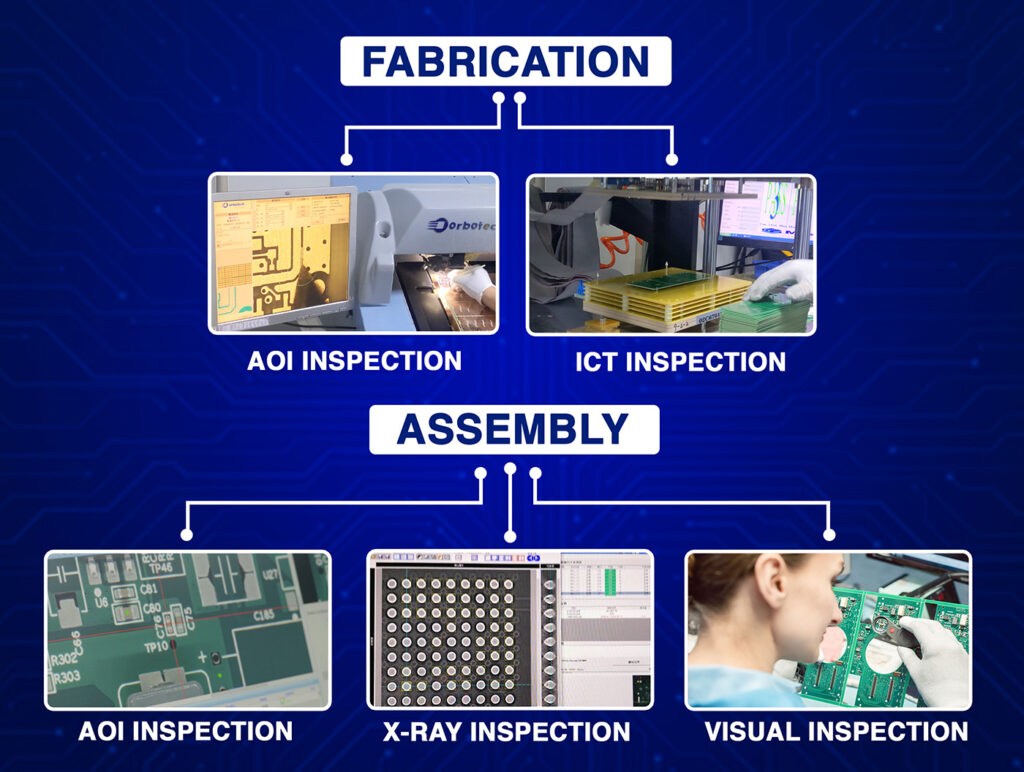
In Blind Buried Circuits Thermal validation is considered an essential design element, not an added-on feature.
The Role Of Custom PCB Manufacturing In Heat Control
How Manufacturing Choices Support PCB Thermal Management Techniques
Designing for thermal heating is contingent on the accuracy of the manufacturing process.
Custom fabrication enables:
- Controlled copper thickness
- Precise via structures
- Advanced layer stacking
This is what makes customized PCB manufacturing crucial for high-power and high-density boards.
Conclusion
The heat is among the most significant challenges to reliability in electronic systems. It is a challenge to manage it, and requires careful planning, the appropriate materials, and thoughtful layout decisions. With the help of the most effective PCB heating management strategies, selecting the right components for PCB design, and collaborating with seasoned PCB production methods, engineers can design circuits that work consistently under real-world conditions.
At Blind Buried Circuits, the design of thermal components is seen as a fundamental element for good electronics, and not as an extra process. If the temperature is controlled correctly, it improves performance, as well as reducing failures, making the product last longer.
FAQs On PCB Heat Dissipation And Thermal Design
1: How Do PCB Thermal Management Techniques Improve Reliability?
PCB thermal management methods lower operating temperatures, eliminate hotspots, and shield components from stress caused by heat, which enhances reliability over time.
2: Why Is Custom PCB Manufacturing Important For PCB Heat Management Techniques?
The custom PCB production permits precise control of the thickness of copper, layers count, and the through design. All of these are essential for efficient PCB heat management methods.
3: Which Materials For Power PCB Design Are Best For Heat Dissipation?
Common material choices for the design of power PCBs include high-Tg laminates, thermally enhanced FR-4, and metal-core substrates, depending on space and power needs.
4: Can PCB Thermal Management Techniques Reduce The Need For Heat Sinks?
Yes. A well-designed PCB thermal-management methods that utilize copper planes as well as thermal vias could reduce or eliminate the requirement to use external heat sources in specific designs.