

HDI PCBs are likely something you are familiar with if you plan to build more compact, faster, and more innovative electronics. HDI stands for High Density Interconnect, and these boards have more components and contacts densely packed together. However, producing them is not an easy task. It requires attention to detail, a well-structured plan, and the right team. It also helps to understand the process of working with a PCB manufacturer, a PCB manufacturing company, or if you’re conducting research on PCB fabrication in the USA.
Let’s review the essential techniques for efficient HDI PCB manufacturing. We guarantee that they’ll be concise, practical, and meaningful to you.
What is Special about HDI in PCB?
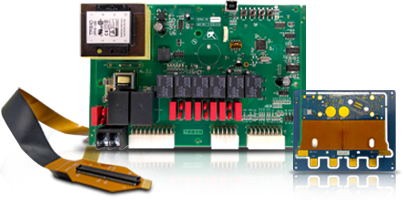
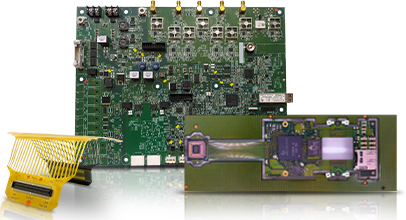
HDI in PCB translates to more contacts, smaller components, and thinner traces. You can find HDI PCBs in tablets, smartphones, and other modern electronics. These have advanced capabilities such as microvias, blind vias, and buried vias. These enable signals to move through layers vertically and horizontally without taking up much space.
And why is this important? It enables more functions to be packed onto a smaller board, resulting in increased power. However, this also means that every step, from HDI PCB design to the final test, needs to be closely monitored.

Step 1: Paying Attention to HDI PCB Design
Everything begins with the design. You need a well-thought-out blueprint ready before you think about building the board.
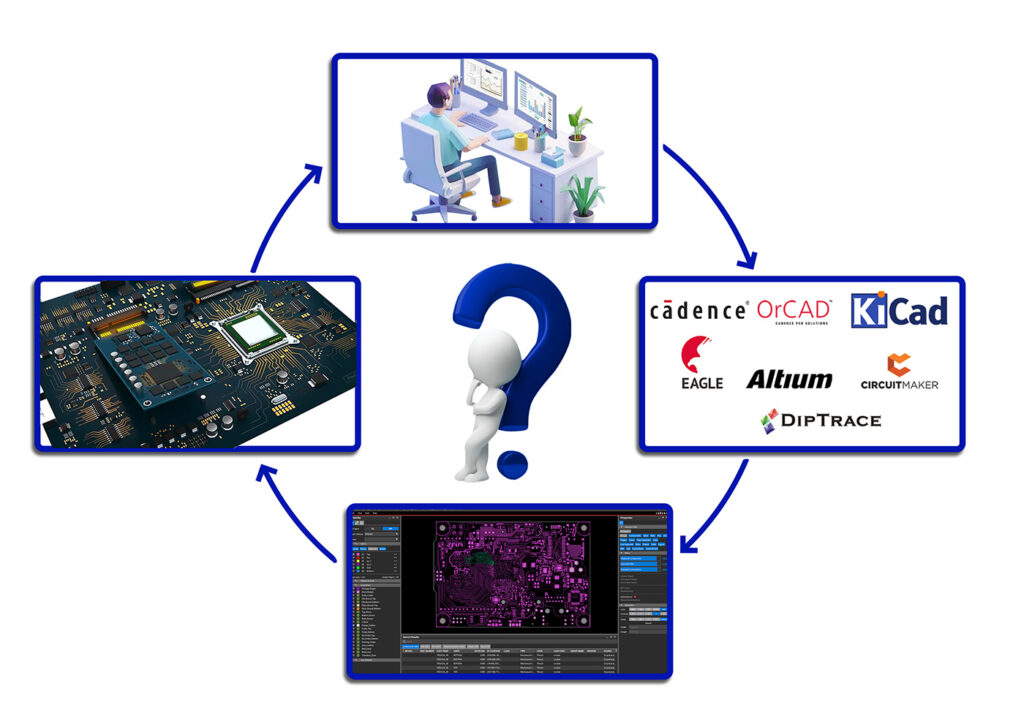
- Make sure to utilize specialized software. Your layout may comprise elaborate parts and tools, such as Altium Designer or Eagle, which will assist you in charting them out.
- Verify your design rules. Double-checks if your design is within the parameters of your HDI PCB fabricator.
- Arrange your stack-up. Determine the total layers you’ll need and their interlayer positioning. This will influence the signal flow, strength of the board, and overall, its rigidity.
- Consider microvias and via-in-pad. Although they conserve space, they require precise placement.
- If you’re lost, reach out to your PCB fabrication company for design recommendations. They know what works best in their shop.

Step 2: Choose The Right Materials
- Cost, reliability, and the effectiveness of the board in handling heat depend on the materials you select.
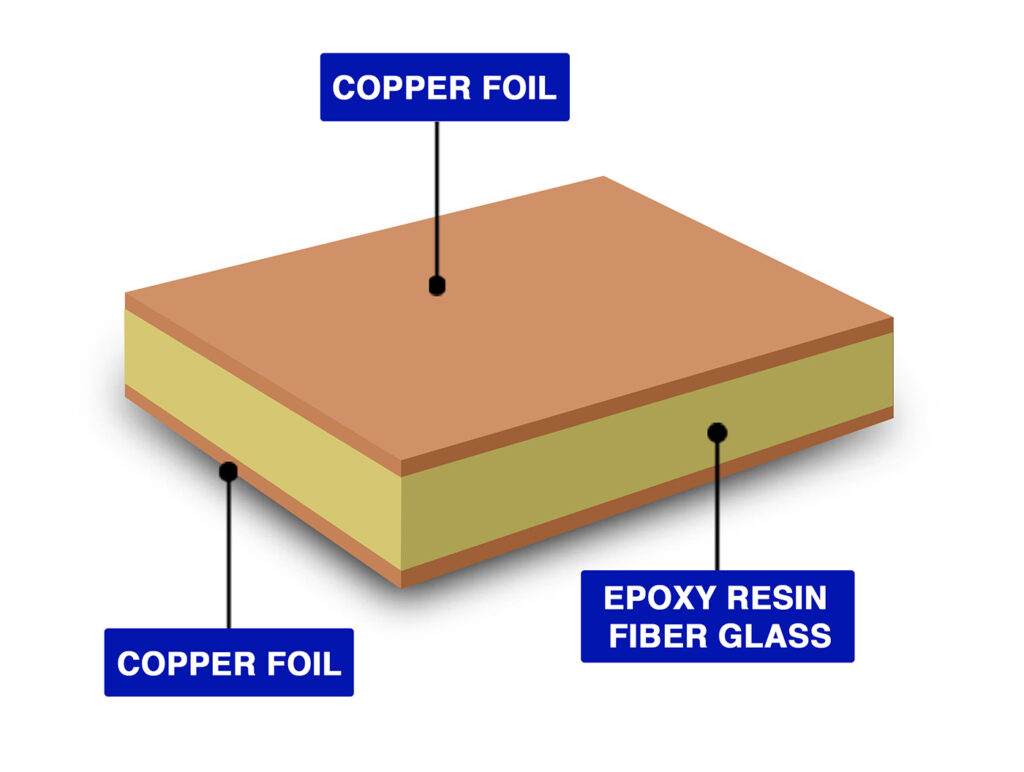
- The most common base is FR-4 as it is affordable and works for many uses.
- Polyimide is better for high temperatures.
- Some boards use ceramics for extra heating control.
- Discuss your requirements with them. The correct material could save money and prevent future troubles.

Step 3: Stack-Up and Sequential Lamination
- HDI PCBs usually have more layers than other types of PCBs, and getting the stack-up correct is crucial.
- To reduce noise, put signal layers in between ground layers or power layers.
- Do sequential lamination. This means to construct the board in stages.
- Each step takes more time and expense, which can be a problem for intricate boards.
- A reputable USA PCB fabrication company will guide you in planning your stack-up for optimal performance and budget.

Step 4: Drilling Microvias
- Microvias are tiny connecting holes between layers, created using lasers instead of regular drills.
- Microvias can only go through one or two layers at a time.
- For deeper connections, you have to use stacked or staggered microvias.
- Microvias account for a significant portion of the cost of HDI PCBs. Adding more microvias increases cost and time, but it provides more design flexibility.

Step 5: Filling Copper and Plating
- After drilling, microvias need to have the ability to conduct electricity.
- Solid connections are made by plating copper inside the microvias.
- To achieve a smooth surface for via-in-pad designs, some microvias require filling with copper.
- This step must be carried out with extreme precision. Poor plating could result in failures down the line.

Step 6: Imaging and Etching
It is now time to work on the small lines and pads for each layer.
- Apply photoresist and expose it to the light of your design to create the desired patterns.
- Only the copper required for the paths will remain after the excess copper is etched away.
- This is done sequentially for each layer.
- This step becomes increasingly complex with thinner lines. This is why high-precision tools are needed for HDI PCBs.

Step 7: Lamination and Layer Bonding
Now, all the layers will be bonded together through heat and pressure.
- Layers are organized in the correct order with prepreg glue in between.
- The stack is both heated and pressed, which makes it a solid board.
- For very complex HDI boards, this procedure can be repeated multiple times.
- The accuracy of alignment is essential since if the layers are not perfectly lined up, the board will malfunction.

Step 8: Solder Mask and Surface Finish
- A solder mask is applied to copper for protection and to facilitate the soldering process.
- The solder mask will cover everything except the pads intended for component attachment.
- After that, exposed copper is often protected with ENIG or HASL surface finishes, which aid in soldering.
- The real-life dependability of your board will be evident in the preceding steps.

Step 9: Silkscreen and Markings
- A silkscreen layer gets printed on the board.
- This adds markings, letters, part designators, and other crucial components.
- Instructions guide assembly crews and inform placement of accessible helping to reduce errors.
- Time-saving measures enhance productivity and reduce errors during assembly.

Step 10: Electrical Testing and Inspection
- There are multiple tests that your board must pass before it can be completed.
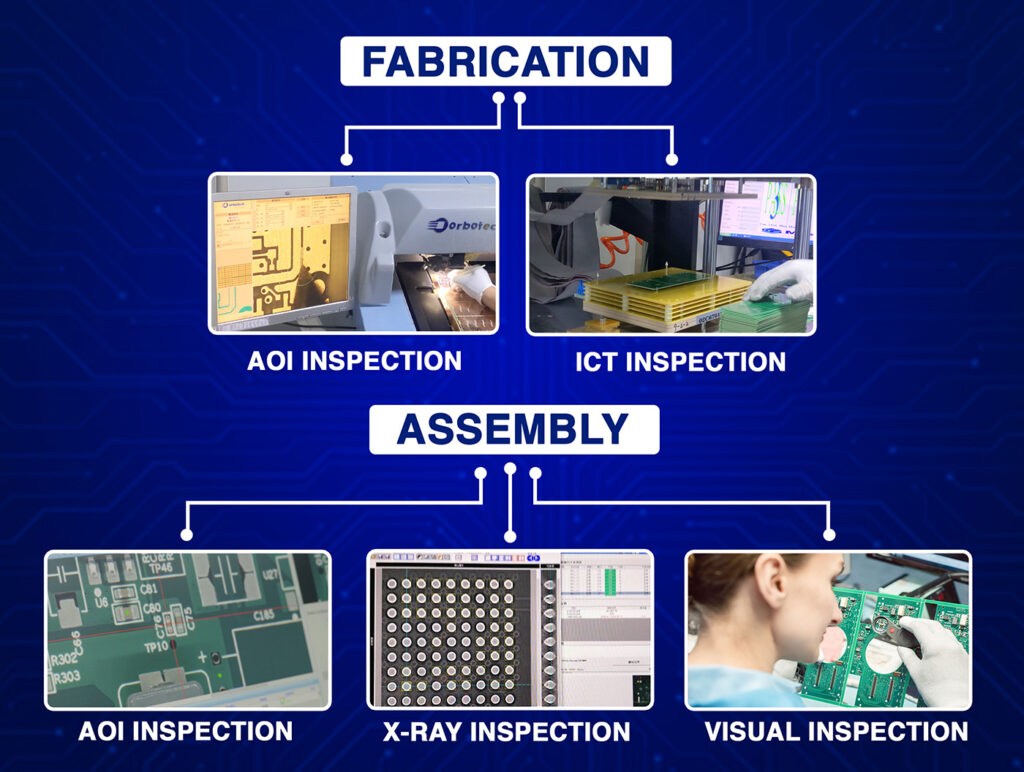
- Automated machines scan for shorts, opens, and all other possible traces of faults.
- Optical inspection verifies that all the traces and pads are of the correct size and shape.
- Identifying errors at this stage prevents bigger issues at a later stage.

Step 11: Assembly and Final Inspection
The last step is populating the board.
- Populating and soldering of components is done by automated machines.
- Defects are inspected, and operational functionality is verified during the final quality assurance checks.
- A reputable HDI PCB manufacturer will maintain rigorous quality assurance at every stage of production.

How to Keep HDI PCB Costs Under Control
With most advanced features come higher costs so that regular HDI may be more expensive, but there are several ways to manage the expenses:
- Each lamination cycle adds significant cost and time, so the number of cycles should be limited.
- Don’t use microvias everywhere; use them sparsely.
- Use standard materials, unless the project requires otherwise.
- Collaborate with your PCB manufacturer to enhance your design.
- A well-organized board reduces expenses and performs efficiently.
Better Tips for PCB HDI Design
- Reduce the length and increase the directness of traces.
- Utilize ground planes as they help minimize noise.
- Avoid excessive stacked microvias.
- Test planning is essential. If you can, add test points.
- The final step before mass production is revising the design with the manufacturing company, so ask them for feedback.
- Asking for feedback from other shops is encouraged for beginners, as it will aid in learning, and shops are usually receptive to such requests.
Trusting an HDI PCB Manufacturer
There are certain functionalities in a shop that not all of them possess, such as working with HDI boards, which require proper tools, experience, and quality control.
- Check the company’s reputation and results, as they will be helpful when dealing with a PCB fabrication company in the USA.
- Inquire about their HDI boards.
- Look for design limitations.
- They will work with you to enhance your workflow and stay on schedule, ensuring that materials are delivered when necessary.
Last Thoughts
With HDI PCBs, you can construct more compact, advanced, and more powerful technology. Still, planning and proper execution are necessary for manufacturing such devices. Every decision from design to test has an impact. If you know what to do and have the right partner, in this case, a reputable PCB manufacturer or HDI PCB manufacturer, there is no harm in getting cost-effective, reliable boards.
Always remember that efficient HDI PCB manufacturing requires collaboration, proper coordination, attention to detail, and a focus on specifics. You will achieve better results the more you know.