

Interacting with smartphones, laptops, or even remotes brings one in contact with PCBs. What is a PCB, and what makes it special in electronics? If you are looking to design a device or understand how devices work, understanding PCBs is a great way to get started.
This blog will discuss what a printed circuit board is, its manufacturing process, and why it serves as the backbone of electronics. It will also share some tips on designing and cleaning printed circuit boards for efficient functionality. This will provide people working in a PCB manufacturing company or those researching PCB production in the USA with a ready reference guide.
What is a PCB?
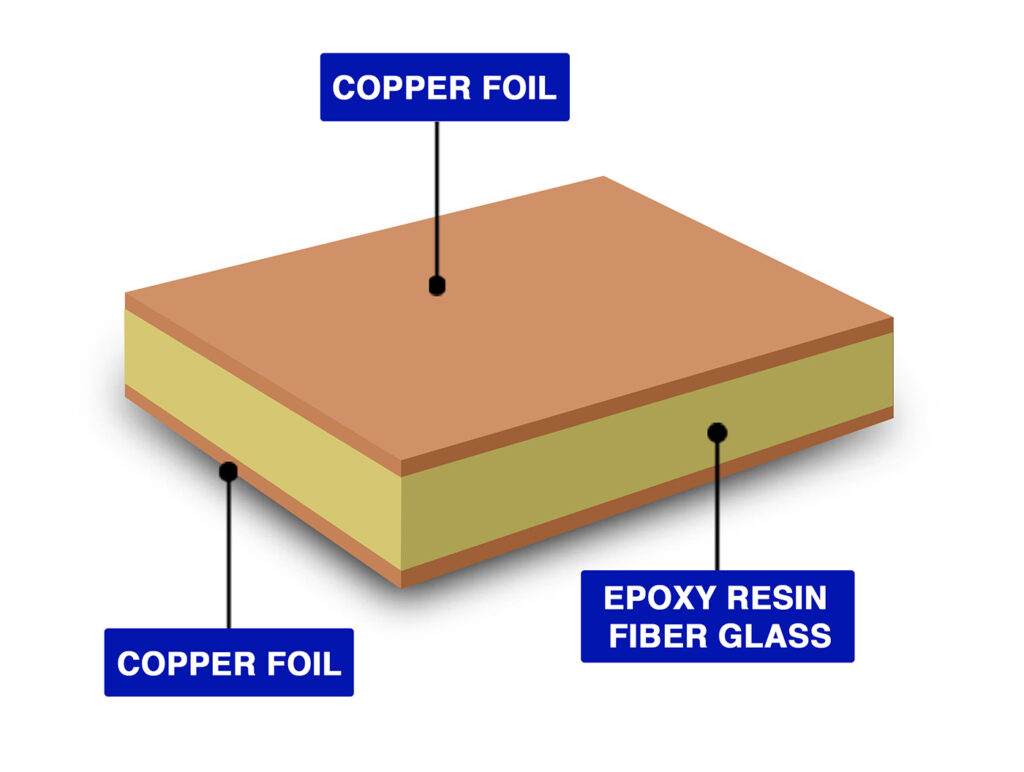
A printed circuit board, or PCB, is a planar element that supports and connects different electronic components. It acts as the backbone and nervous system of electronic devices. It serves as a structural support for active components, such as resistors, chips, and capacitors, and interlinks them using tiny copper wires, referred to as traces.
Every electronic component was interconnected and linked together through a process known as hand-wiring until the introduction of PCBs (Printed Circuit Boards); this method was developed alongside the invention of PCBs. This was an inefficient and error-prone process. PCBs significantly transformed the electronics industry, enabling the creation of compact circuits that could be produced in large quantities.

What is a PCB and How Does it work?
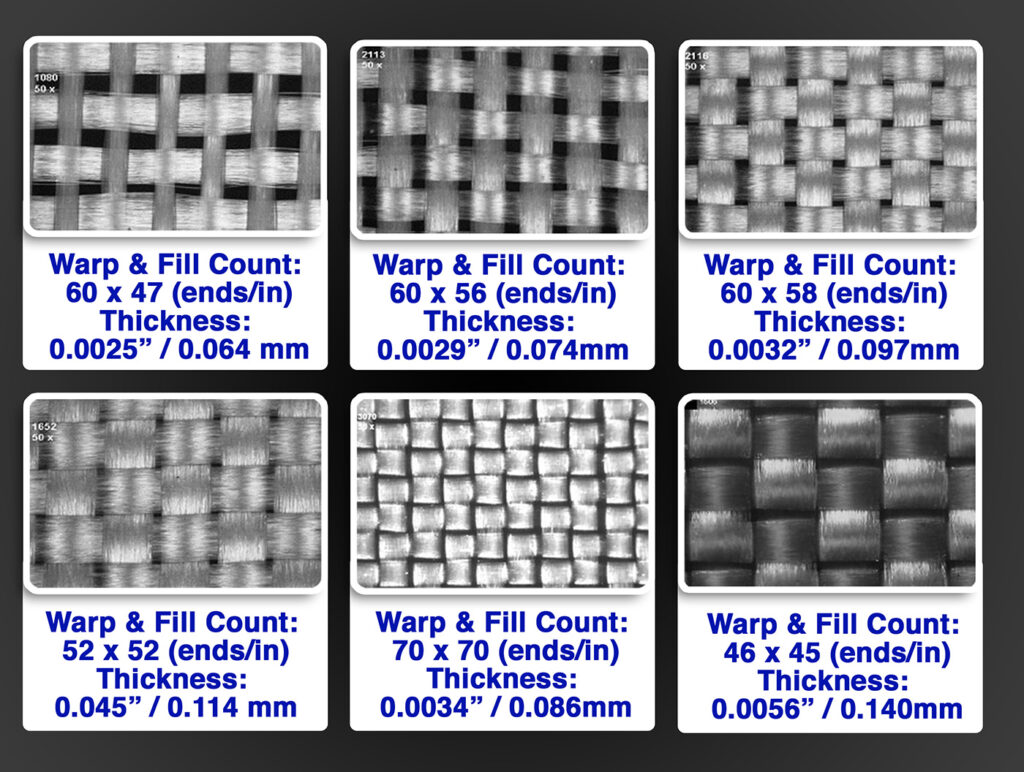
A PCB allows electricity to flow between different components through copper traces. These traces connect different circuits, allowing current to flow wherever needed. The circuits are then placed onto the board, which is made from non-conductive material like fiberglass. Components are fixed in position using screws, then bonded to copper pads. The bond is created by solder, a metal alloy that fuses with the copper pads, providing a mechanical attachment.
Different Types of PCBs
Depending upon their applications, PCBs are classified into the following types:
- Single-sided PCBs have copper on only one side; this makes them simpler and cheaper, but they are lower in terms of complexity.
- Double-sided PCBs have copper on both faces, which means that there are more points of connection available.
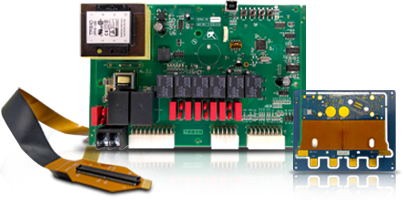
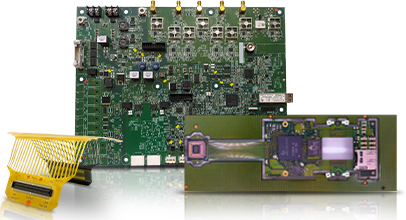
- Multi-layer PCBs have multiple layers of copper and insulation stacked together. They are found in high-level devices such as computers and smartphones.
- Flexible PCBs are best for wearable gadgets because they can be twisted and bent.
- Rigid-flex PCBs are a combination of flexible and rigid portions.

Why Is a PCB Important In Electronics?
PCBs are a basic necessity for electronics, and without them, devices would be expensive and complex. Here is their importance:
- Compact Design: PCBs enable designers to miniaturize devices by fitting many components in a small area.
- Reliability: Fixed copper paths reduce mistakes in wiring and loose connections.
- Mass Production: Easily manufactured in bulk.
- Easy Repair and Testing: Precise layouts enable technicians to resolve issues quickly.
- Mechanical Support: PCBs aid in physically holding components, which protects the delicate parts.

How Are PCBs Made?
Making a PCB consists of several stages:
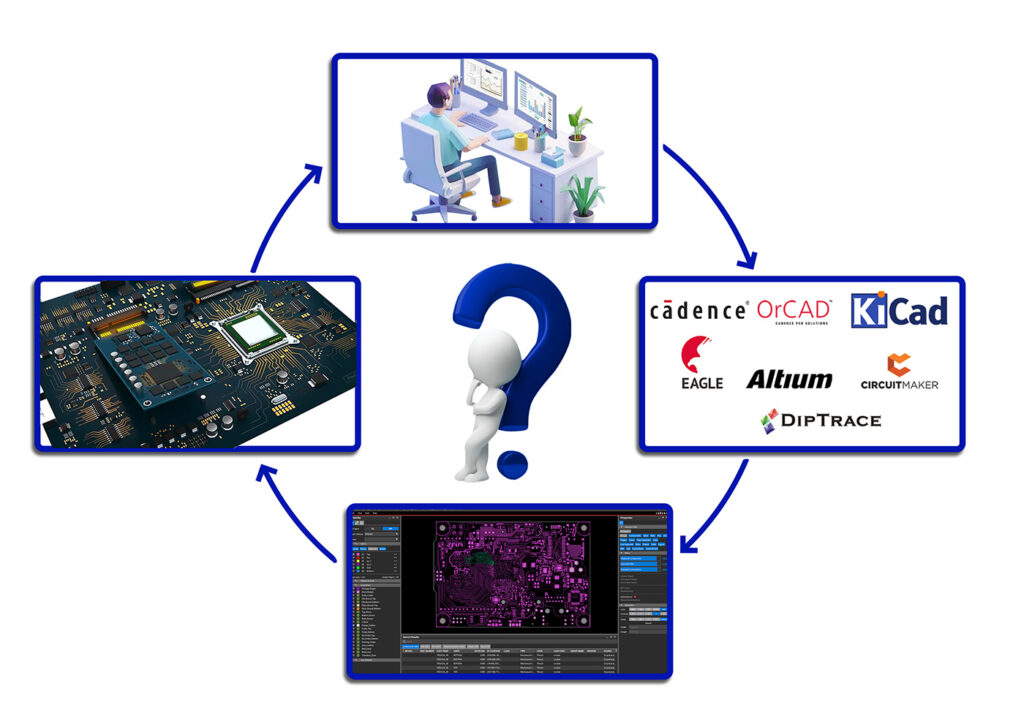
- With the help of design software, engineers generate the PCB layout, which incorporates copper paths and components.
If you are interested in PCB design or looking for a PCB manufacturing company in the USA, understanding the steps will give insight into your board.
What You Should Know about the Design of a PCB
A properly designed printed circuit board plays a crucial role in a device’s functionality. In the case of PCB design, you decide where each trace and component will be placed, including every pad. Below are some tips worth considering:
- Don’t allow traces to be long or indirect, as they should be short. This is important for the movement of signals.
- Power and signal lines should be kept separate to prevent interference and noise.
- Implement ground planes where suitable: These are large copper areas tied to ground, which increase stability.
- Account for heat and plan accordingly: Place heat-dissipating components in areas with cool airflow.
- Check design rules compliance: Adhere to your manufacturer’s rules to avoid unnecessary mistakes.
If you’re wondering how to design PCB layouts, software tools like KiCad or Eagle can help you with the process.
Discolored and Dirty Printed Circuit Boards
PCBs can sometimes get dirty, particularly with flux after soldering. Cleaning them helps to avoid corrosion and improves performance.
Here is a simple guideline to follow while cleaning printed circuit boards:
- Dirt and flux can be easily removed with a soft brush and isopropyl alcohol of at least 90% concentration.
- Avoid water at all costs unless the board has been designed to be immersed in it.
- Avoid rough cleaning methods that can break parts of the component.
- Ensure the board is dry before turning the power on.
- Always use PCB cleaners available from electronic stores for difficult dirt.
Cleanup works improve the dependability and reliability of a device, and also add to its lifespan.
Working with a PCB Manufacturing Company
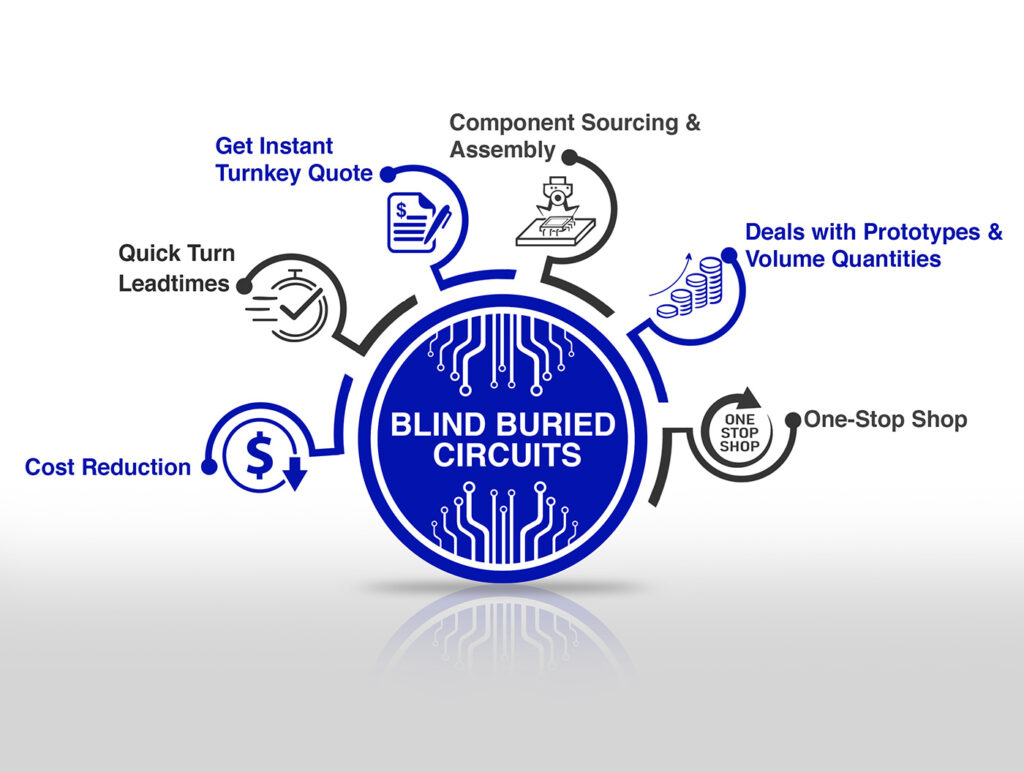
If you are designing your own PCB or plan to buy in bulk, picking a suitable PCB manufacturing company is essential. Primary considerations include:
- Experience: Complicated designs will be better handled by a company with years of experience in PCB production.
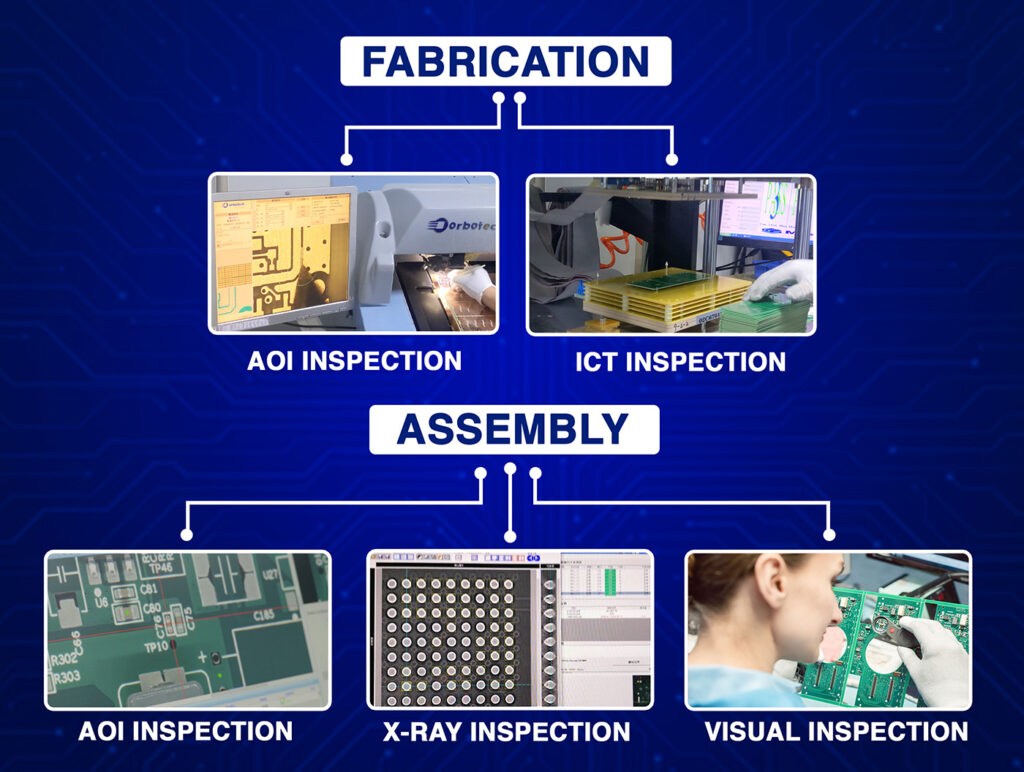
- Quality control: Verify certifications and procedures for testing the product to ensure its quality.
- Communication: A responsive company partners with you on design through to production and gives feedback and recommendations.
- Lead times: A quick turnaround time can be beneficial for your project.
- Location: A fabrication partner in the USA will mean faster shipping.
Why Choose PCB Fabrication USA?
Choosing a PCB fabrication company offers:
- More benefits include faster shipping and easier two-way communication.
- A better understanding of local standards and regulations.
- Can accommodate small and large orders seamlessly.
- Faster access to sophisticated manufacturing systems.
- Smoother project undertakings for hobbyists and businesses through local fabricators.
Conclusion
A Printed Circuit Board (PCB) is the most essential component found in any electronic gadget. It helps hold the parts together, integrates signals, and ensures that your devices function properly. With electronics piquing your interest or if you plan to build your own, understanding what PCBs are and how they are made is the first step in your journey. Taking good care of your printed circuit board, including knowing how to clean it properly, will ensure it functions correctly. When looking for a partner for your PCB fabrication USA, choosing the right PCB manufacturing company can speed up the process while enhancing quality and meeting your expectations.
Every device we use today relies on PCBs, which goes to show how important they are.
If you wish to get deeper into the concepts of PCB design and manufacturing, continue your search and reach out to specialists for guidance. Having the proper guidance can go a long way, and it starts with building a strong foundation, in this case, PCBs.