

Modern vehicles consist of more than an engine and wheels. Within every new vehicle, you will find special automotive circuit boards, commonly referred to as PCBs. These boards help ensure your safety and control over your vehicle. In this article, you will learn their particular function, their processes, and their significance in your safety.
What is an Automotive PCB?
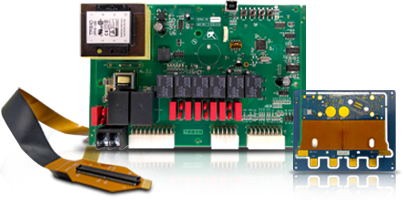
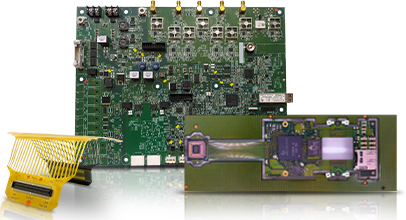
An automotive PCB is a flat structure consisting of layers of plastic and copper lines, with electronic components of the vehicle mounted on it. These automotive circuit boards are integrated into the vehicle’s systems. They are located in almost all parts of the vehicle, specifically most in the chassis, which is the vehicle’s main frame.

Why Are Automotive PCBs Important?
Automotive PCBs play a crucial role in ensuring your vehicle functions properly. They manage and control safety functions such as airbags and brakes. In addition, they assist in managing and controlling cabin lights, diodes, sensors, as well as the car’s steering and parking functions. No doubt, safety using these boards is now higher; nevertheless, for ease of control, cars are also friendlier to their users.
How Do Automotive PCBs Enhance Safety Features?
Airbag Systems
In car accidents, airbags need to deploy very quickly. The automotive PCB in the airbag system detects a crash and triggers the airbag to deploy. This may save your life.

Anti-lock Brakes (ABS)
ABS prevents skidding when stopping your car. The automotive circuit board monitors the speed of your wheels. If one of the wheels is going to skid, the circuit board temporarily releases the brake. This helps maintain control of your vehicle.

Stability Control
When taking sharp turns, your vehicle might slide. The automotive PCB assembly for the stability control system determines whether the car is sliding or not. If it determines the car is sliding, the board can reduce speed on specific wheels to help stabilize the vehicle.

Advanced Sensors
Newer cars come equipped with parking, lane-keeping assist, and automatic emergency braking systems. All these sensors communicate with the automotive PCB. The board processes the information received and commands the vehicle accordingly.

How Do Automotive PCBs Help with Control?
Power Steering
When you turn the wheel, the PCB car system gives you a boost in power. The PCB board assembly manufacturing process includes sensors that determine the amount of power required.
Engine Control
The automotive PCB in the engine controls the fuel-air mixture for smoother operation and improved mileage.
Transmission Control
The automotive PCB assembly is designed to enable seamless shift changes, resulting in smoother vehicle operation and improved longevity.

What Makes Automotive PCBs Special?
1. Strong Materials
Car PCBs need to be tough. These boards have to endure heat, cold, bumps, and even water. The materials from which these boards are made can withstand these harsh conditions.
2. Careful Manufacturing
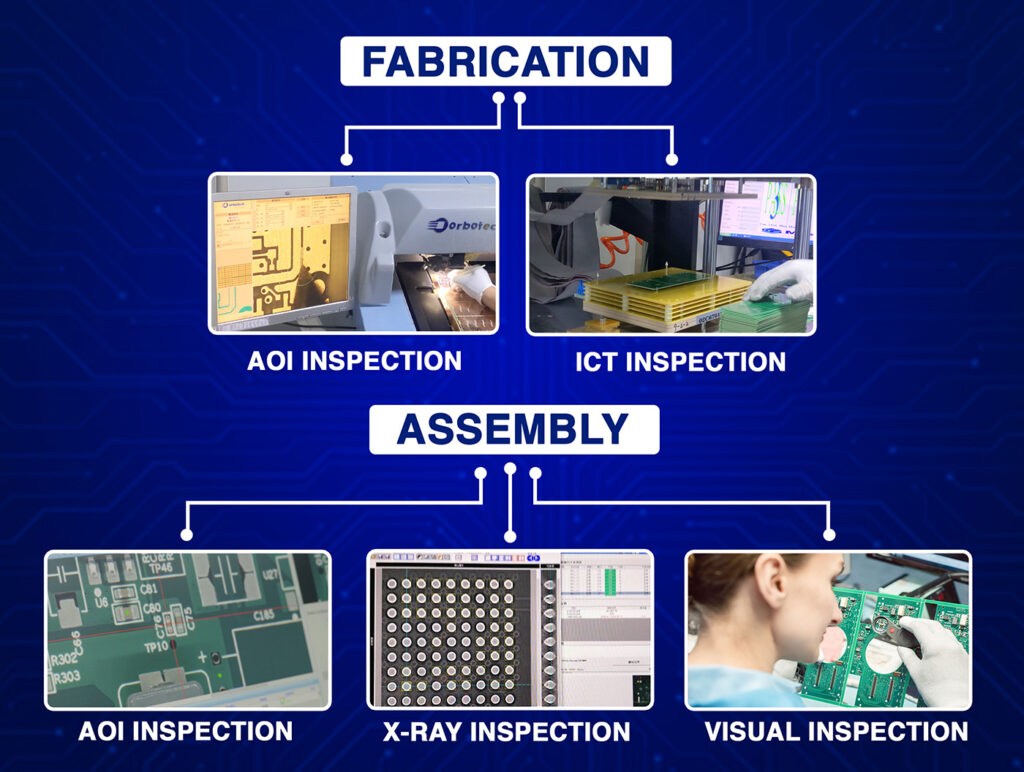
Each board undergoes multiple inspections to ensure proper functionality, as even the most minor error can have hazardous consequences.
3. Custom Designs
A car with generic parts means that it will not be fully optimized. A custom PCB manufacturer designs the board so it can be placed precisely where it is needed. This saves space and weight.
Creating an Automotive PCB
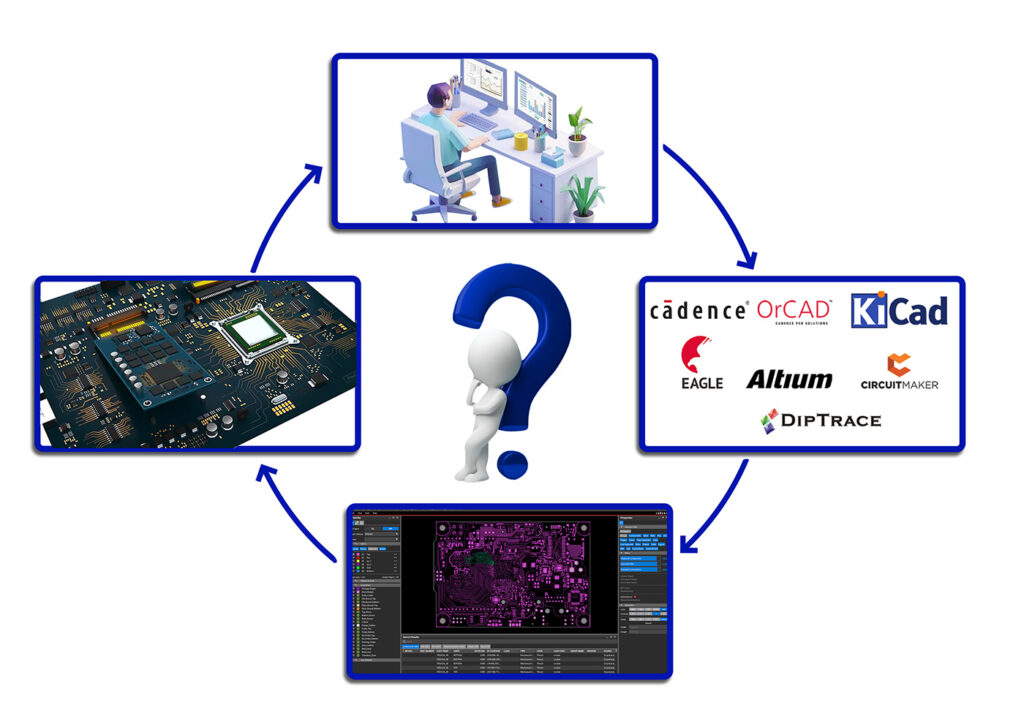
1. Design
Engineers plan the design of the board, deciding on the position of each component and how the copper lines will interconnect the components.
2. Making the Board
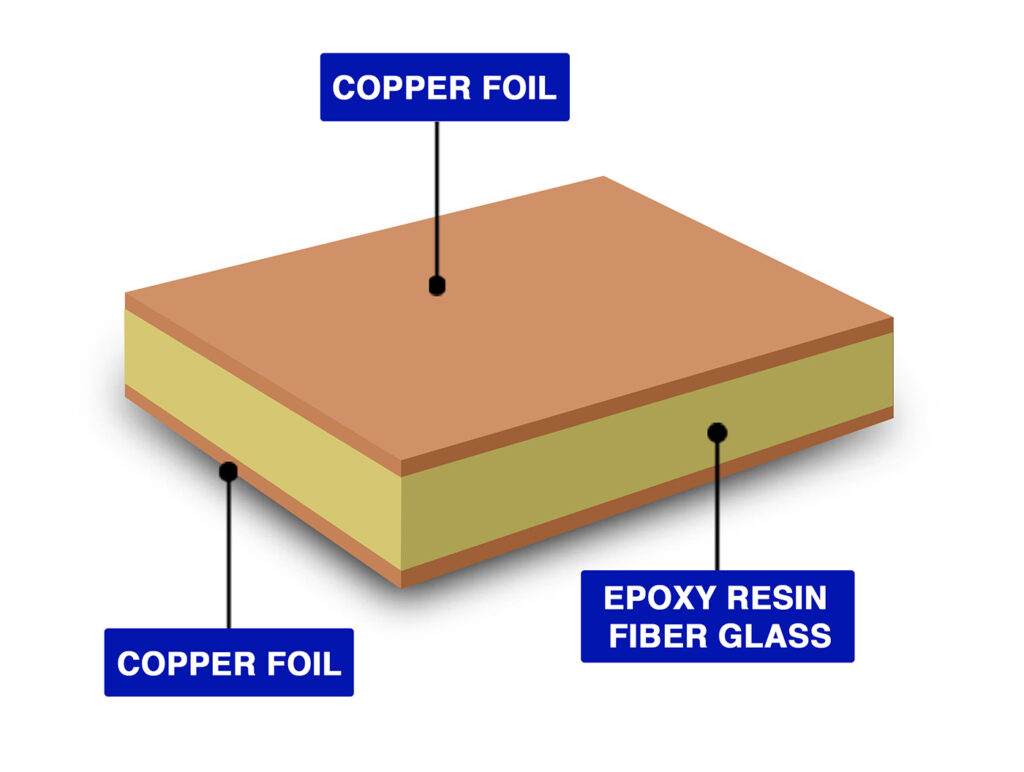
The base of the PCB consists of two layers of plastic and copper. The board undergoes machining processes, such as cutting, shaping, and drilling, to provide fitting holes for components and connections.
3. Adding Parts
Chips and resistors can now be added, either manually or automatically. Each part is attached using solder aids.
4. Testing
Each board undergoes the same testing process, which includes verification for broken lines, faulty connections, and incorrect parts. Nonconforming boards are either repaired or discarded.
5. Assembly Into the Car
As the final step, the board is secured into position inside the car and is connected via wires and connectors to various sensors, lights, and motors.
The Role of PCBs in the Automobile Production Process
Throughout the automobile production process, several stages incorporate PCBs, including the dashboard, within the engine, the doors, and even the seats. Each board is installed one at a time and checked again. This ensures the car’s safety from the factory.
How to Protect Automotive PCBs
A PCB can be damaged by dirt, water, or oil. Here are some ways to keep automotive PCBs safe:
- Make sure that no drinks are spilled inside the vehicle.
- Have the vehicle checked when warning lights are activated.
- While working on the vehicle, ensure the area is clean and dry.
- Ensure that you only use parts from reputable vendors.
Common Issues and How to Fix Them
1. Loose Parts
Some components may get loose due to bumps and heat. Regular maintenance checks can identify these issues.
2. Water Damage
Water can result in short circuits. Ensure that all seals and covers are intact and in good condition.
3. Overheating
Excessive heat can cause a board to cease functioning. Ensure that all vents are unblocked and any cooling issues are resolved quickly.
Why Work with a Trusted PCB Supplier?
Not every supplier of PCBs is the same. A custom PCB for automotive applications requires experienced suppliers, as it must adhere to stringent safety regulations. They should check every board and use strong materials.
The Next Automotive PCBs
The technology around cars continues to advance every year. Electric and self-driving cars need even more PCBs. These boards will need to be even stronger and faster. PCB manufacturing and assembly will continue evolving to meet these demands.
Advice for Car Owners
- Maintain the cleanliness of your vehicle both inside and out.
- Notice the warning indicators.
- Have periodic maintenance checks performed.
- Do not go to untrusted repair centers.
- Inquire about the parts used for servicing.
- Car PCB Problem Indicators
- Warning indicators on the dashboard.
- Electronics malfunctioning, such as the windows or lights.
- Unusual sounds are coming from the dashboard.
- Rough running or failure to start.
If any of these symptoms are noticed, seek professional help for diagnostic evaluation.
Conclusion
Automotive PCBs are the unnoticeable aids in your vehicle. They are responsible for safeguarding you, providing you with vehicle control, and facilitating safe driving. These boards undergo PCB fabrication and testing to endure harsh environments. You can maximize your vehicle’s functionality and enhance your experience by properly maintaining it.
Every time you apply the brakes, turn a corner, or notice warning lights, a PCB is working behind the scenes. If you take good care of your vehicle, it will reward you with reliable performance.