

Every life-saving medical device depends on one crucial factor: reliability. Behind every MRI scanner, X-ray machine, or ultrasound system is a printed circuit board (PCB) that must operate with absolute precision.
That’s why high-reliability PCB manufacturing medical devices is one of the most challenging aspects of electronics engineering. Medical devices don’t leave room for errors. Their PCBs have to be able to withstand heat, vibration, humidity, and decades of usage.
Here at Blind Buried Circuits, our focus has always been on understanding the ways companies that manufacture PCBs, as well as designers, are able to overcome these obstacles. Let’s look at why medical PCBs are so complicated, medical device trends, the design issues that are faced, and the ways engineers can assure reliable performance on diagnostic and imaging devices.
How Reliability is Important in Medical Device PCBs
Diagnostic and imaging equipment for medical use requires continuous operation in labs, hospitals, and clinics. They process, collect, and transfer extremely sensitive information. An electrical issue of a small magnitude can cause incorrect imaging results or downtime for equipment.
When it comes to medical device electronics, the reliability of the system isn’t an option. It’s a requirement. These medical systems must:
- Stable performance for many years of operation
- Stand up to repeated sterilization and temperature cycles
- Maintain electrical integrity even under intense usage
- Be sure to meet strict safety standards, like FDA, IEC 60601, and ISO IEC 13485.
Unlike consumer electronics, medical devices typically undergo lengthy approval procedures. The process of redesigning or fixing boards afterward costs money. The early stage design is vital for each producer of PCBs.

Specific PCB design requirements in Medical Imaging and Diagnostics
Making PCBs that are designed for medical use differs from making them suitable for standard electronic devices. Imaging equipment such as MRI and CT scanners operate with high voltages, sensitive analog signals, and significant electromagnetic interference (EMI).
Specific essential requirements are the basis of the high reliability of PCB production to be used in medical equipment:
Higher Signal Integrity
Imaging systems are based upon pure transmission. Even minor interference can distort images. Designers need to manage layout, impedance, and grounding in order to avoid any loss of information and noise.

Thermal Stability
Diagnostic devices generate heat throughout prolonged operations. PCB material must withstand the temperature fluctuations without cracking, expanding, or tearing.

Intensification and Miniaturization
Medical devices of today are shrinking in size. Engineers are incorporating many more parts into smaller and more compact boards. These PCBs are usually designed with HDI and multilayer stack-ups, which introduce challenges such as maintaining controlled impedance and long-term reliability.

EMC and Noise Control
Electronic compatibility (EMC) is essential when imaging rooms have multiple pieces of equipment operating in proximity. PCBs need to be designed so that they are shielded from radiation and also resist any interference from outside.

Biocompatibility and Longevity
Medical boards need to stand up to chemicals for cleaning, humid conditions, and extended operational life. The materials and coatings play an essential role in the longevity of medical boards.
Common Issues with High-Reliability PCB Design
Even the most seasoned PCB assembly company has difficulties in developing medical-grade boards. Here are a few of the most frequent challenges in high-reliability PCB manufacturing medical devices, as well as the ways they impact their reliability.
Material Selection
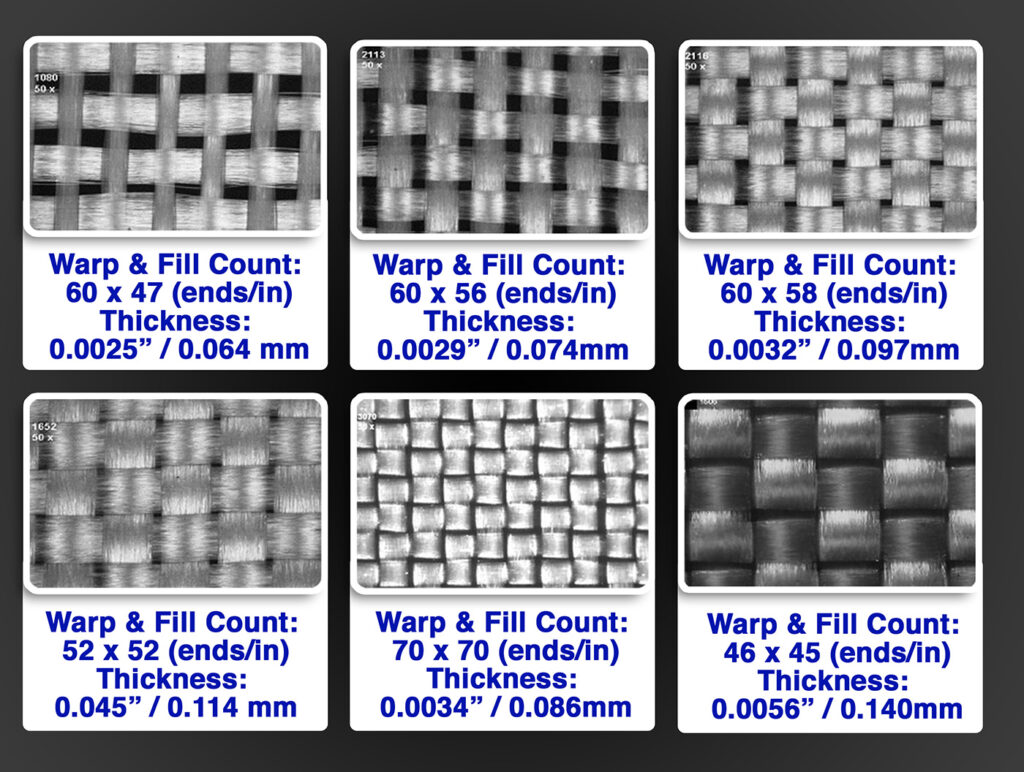
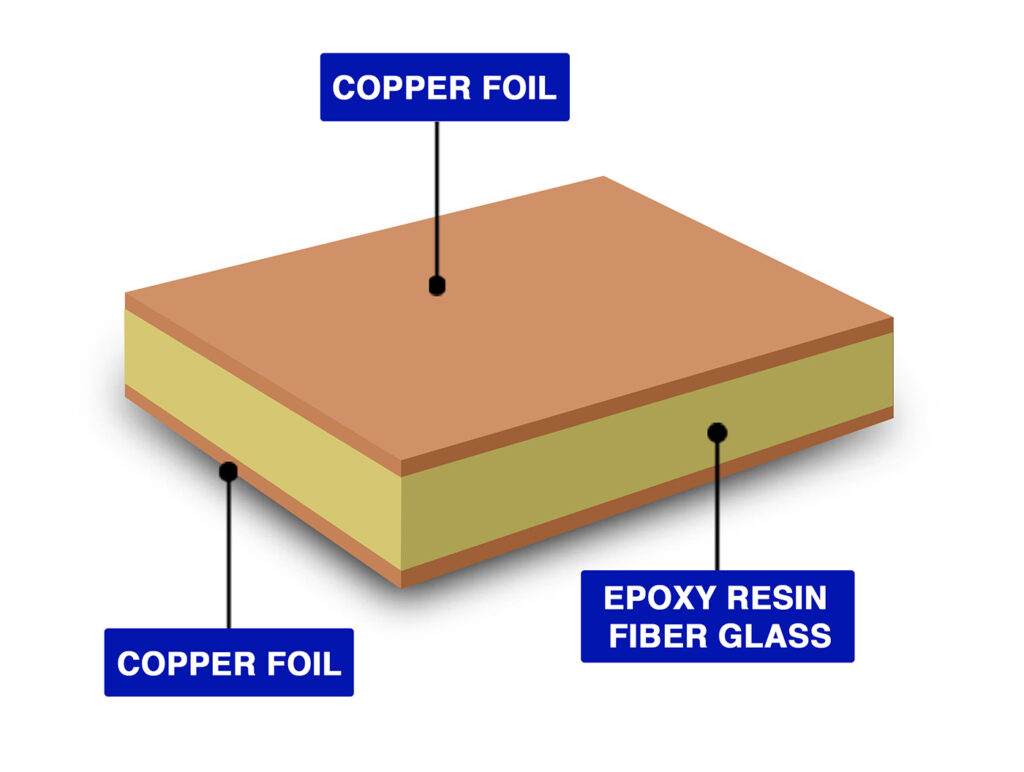
Selecting the correct base material is crucial. The standard FR-4 might not be able to withstand extreme mechanical or thermal circumstances. Engineers typically use polyimide or high-Tg laminates to improve performance in heat.
Complex Stack-Up Design
Imaging equipment PCBs use multiple signal, ground, and power planes. Incorrect stack-up can lead to impedance issues, crosstalk, or distortion of signals.
Tight Tolerances
Medical PCBs require very exact dimensions. Any slight misalignment of copper layers, or a mistake in positioning, can result in the circuit to short or break.
Via Reliability
Vias — particularly those with micro-, blind, or hidden vias are essential in the construction of dense structures. They need to endure thousands of thermal cycles without getting damaged or breaking.
Manufacturing Cleanliness
Just a small amount of dust could create shorts or cause failures in delicate circuits. This is why the manufacturers of PCBs for medical devices have to employ cleanroom conditions and strict controls for contamination.
Trackability, Documentation, and Traceability
Every board must include complete fabrication records to ensure traceability and regulatory compliance during audits or recalls. Making sure that each lot is traceable to materials, process, and procedure is the most essential aspect of high-reliability PCB manufacturing medical devices.
Mechanical and Thermal Stresses in the Diagnostic Equipment
Diagnostic medical systems typically work in harsh conditions. MRI and CT equipment utilize powerful magnetic fields, high voltages, and constant data processing. The result is mechanical and thermal stress to PCBs.
How to handle this issue:
- Make use of high-Tg material to limit expansion in high temperatures.
- Include Thermal vias to distribute heat evenly
- Apply Conformal coatings to improve the resistance to chemicals and moisture
- The design is designed to control the expansion between the substrate and the copper layers
Failing to manage these factors can lead to delamination or via cracking, resulting in costly rework
Signal Integrity and Noise Issues
The imaging systems process signals that are digital and analog. Signals that are clean are crucial to ensure precise imaging. Noise or distortion could influence the diagnosis.
Engineers tackle these issues through:
- Using shorter trace lengths for sensitive signals
- Digital and analog grounds are separated
- Shielding noise-prone circuits
- Monitoring impedances throughout high-speed lines
An insignificant design error here could cause the appearance of image imperfections or even inaccurate sensor readings.
Tests and Compliance for Medical Grade PCBs
In the medical field, every producer of a PCB has to comply with international standards to ensure security and uniformity. The most important regulations are:
- EC 60601 – international standard for the safety and performance of medical electrical equipment”
- ISO 13485 – quality management systems for medical equipment
- FDA 21 CFR Part 820- Quality System Regulation (QSR) governing medical device manufacturing”
Testing extends beyond the simple tests using electricity. It covers:
- Testing for thermal cycling
- Tests for aging and burn-in
- Verification of high-voltage insulation and electrical insulation
- Drop resistance, vibration, and vibratory checks
These tests confirm the PCB is able to function reliably in actual hospital conditions.
The Role of PCB Assembly Companies in High-Reliability Design
The best design is still not successful with poor assembly. PCB assembly company should use appropriate solder alloys as well as controlled reflow profiles and testing methods.
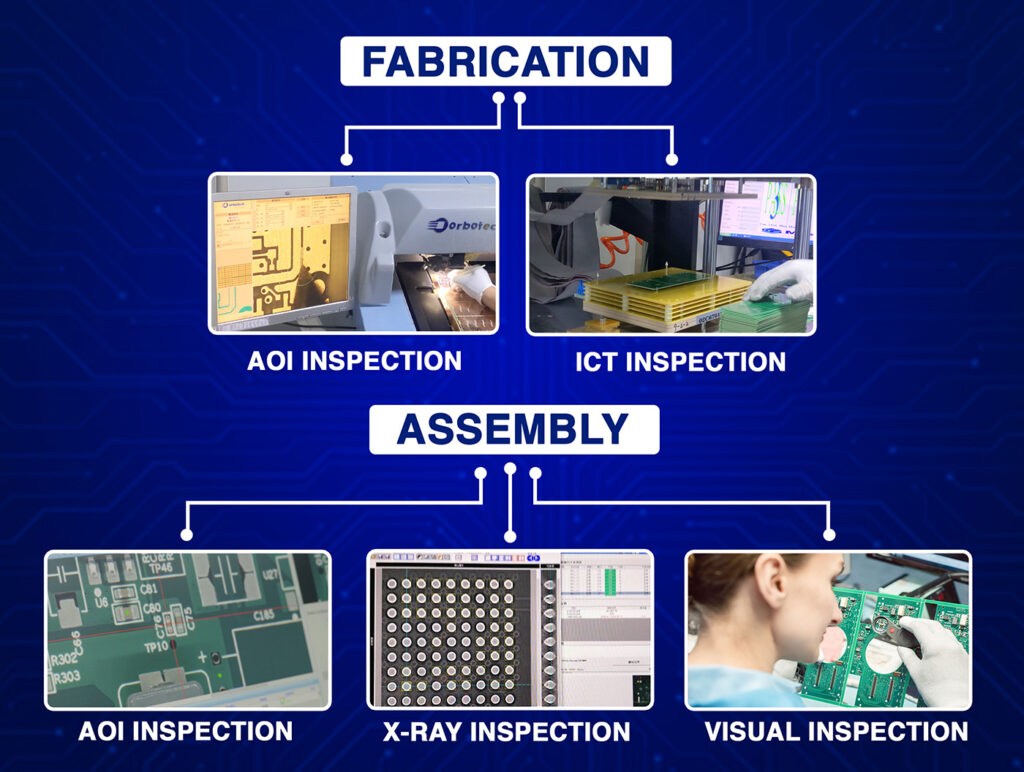
Advanced imaging devices typically make use of fine-pitch components, BGAs, and microcontrollers that need precise placement. Control measures for quality include X-ray inspection, AOI (Automated Optical Inspection), and functional tests, which ensure that boards are assembled properly.
This partnership between the engineers and designers determines if the finished product performs in the manner expected.
New Medical Device Trends affecting PCB Design
The healthcare sector is growing rapidly. Many medical device trends change the way PCBs are made and designed:
- Miniaturization of Mobile ECGs, as well as handheld scanners and wearable monitors, requires compact boards.
- Wireless connectivity. Integrating Bluetooth and Wi-Fi creates an additional layer of complexity, as do EMC problems.
- Higher data speed. Real-time imaging needs speedy data transmission as well as controlled impedance layouts.
- AI incorporation: Smart diagnostics are based on PCBs that have more computing capability.
- Sustainability: Eco-friendly materials and lead-free manufacturing have become standard across the USA.
This trend is pushing each maker of PCBs to develop new products with safety and reliability.
The Benefits of Collaboration to Improve Reliability
Medical reliability design doesn’t only involve hardware or software. It’s an effort of:
- PCB designers
- Material engineers
- Fabrication experts
- PCB assembly company
- Specialists in Quality Assurance
Early communication of design decisions, manufacturing limitations, and compliance requirements prevents redesigns, reduces cost, and improves test success rates.
Conclusion
The need for PCBs with high reliability for medical equipment has been growing throughout the USA. Imaging and diagnostic systems depend on boards that work reliably, even under the most extreme environments.
Engineers must address challenges related to materials, thermal control, noise management, and compliance, but collaborative design and careful planning can overcome these issues.
For Blind Buried Circuits, understanding these issues can help makers and designers create more durable, safer medical devices.
When reliability is paramount, accuracy of PCB assembly and design is crucial to safeguard the equipment as well as lives.
FAQs
1. Why is a PCB with high reliability vital in medical equipment?
Design with high reliability ensures that medical PCBs work correctly and in a safe manner over a long period of time. Each PCB assembly company that works on medical devices should be focused on the durability of its products, thermal management, and compliance with stringent U.S. regulations.
2. What is the best way for a PCB manufacturer to make sure that diagnostic equipment is reliable?
A PCB maker assures its reliability via the selection of materials, controlled lamination cleaning, cleanroom assembly, and various tests of reliability. This prevents the failure of critical diagnostic or imaging systems.
3. What are the latest health-related device developments impacting PCB design?
The most important technological developments for medical devices are the miniaturization of devices, wireless data transmission, AI integration, and sustainable manufacturing. Every trend adds a level of complexity, and the reliability demands for medical PCBs of the future.
4. What kinds of tests are conducted in high-reliability PCB manufacturing medical devices?
The tests include the thermal cycle, vibration, and resistance to insulation. They confirm that the PCB assemblies made by a PCB assembly company will withstand the harshest conditions in real life.
5. What are the best ways for PCB manufacturers to control EMI and ensure signal integrity in imaging equipment?
A PCB manufacturer maintains signal integrity through improving trace routing, making use of ground planes, and isolating the analog circuit from noise sources. This helps ensure the stable performance of imaging.