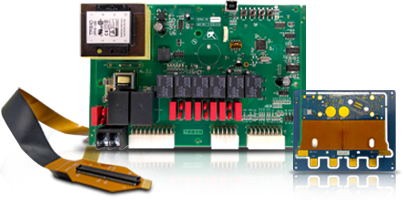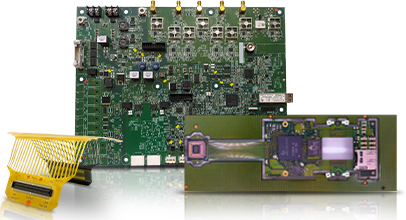


Medical devices, whether wearable or implantable, rely on highly advanced electronic components. At the heart of these electronic systems are printed circuit boards (PCBs), the core structures that interconnect and power every component.
We at Blind Buried Circuits, specializing in PCB assembly services in the USA, help turn these life-enhancing medical innovations into reality. As a custom PCB manufacturer, we design and assemble specialized circuit boards for wearable and implantable medical technologies.
This blog will discuss essential information about advanced PCB technology used in the medical field.
Importance of PCBs for Wearable and Implantable Medical Devices
Whether it’s a pacemaker implanted in the chest or a fitness tracker on your wrist, PCBs are what make these devices function. Implantable devices require ultra-strong PCBs that can withstand physiological stress and remain biocompatible, ensuring no harm to surrounding tissue.
Every custom PCB manufacturer must balance miniaturization with durability, ensuring both comfort and long-term functionality. Wearable devices typically utilize flexible PCBs for medical wearables that bend and move with the human body, providing comfort and reliability.
Every type requires special assembly methods and designs for safety and reliability as time passes.

Critical Design Challenges in Medical Grade PCB Design
The design of PCBs that are suitable for medical applications is not without its challenges.
- All materials used must be biocompatible to prevent adverse reactions when in contact with human tissue.
- The devices must be compact and lightweight, including implants.
- There is zero tolerance for failure in medical-grade electronic systems.
- Flexible PCBs must withstand the strain of bending and daily wear.
- Signal transmission must be precise to avoid errors during monitoring or treatment.
Choosing experienced PCB assembly services is crucial to ensure precision, cleanliness, and compliance with medical manufacturing protocols.

Advanced PCB Technologies Driving Miniaturization and Reliability
High-Density Interconnect (HDI) and Microvia Structures
HDI PCBs use extremely small microvias, laser-drilled holes plated with copper to form high-density interconnections between layers. It allows for circuits to fit in tighter areas. This is ideal for implantable devices that need to be small yet strong. Small connections can help maintain the strength of signals and decrease the chance of interference.

Flexible and rigid-Flex PCB Architectures
Flexible PCBs for medical wearables allow seamless integration of sensors, batteries, and antennas while maintaining signal integrity and biocompatibility. These rigid-flex PCBs come with both stiff and flexible components, giving the devices stability when needed and flexibility in areas of movement. They improve the durability of devices and provide new options for wearable gadgets.

Additive Manufacturing and 3D Technology to make Medical PCBs
3D printing, as well as additive processes, make PCBs layer by layer into complex forms. Medical devices are able to be customized to suit unique bodies or parts of the body, which was not possible using conventional flat PCBs.
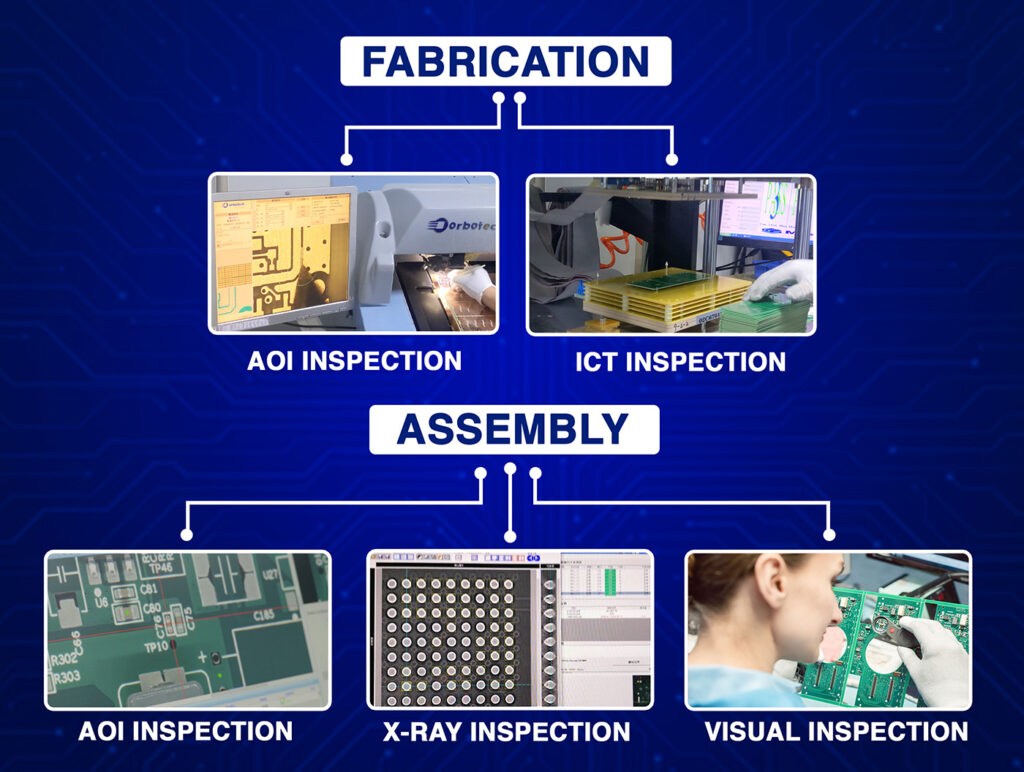
Modern PCB assembly services use advanced imaging and inspection systems to maintain consistency during microvia and HDI board production.
Exotic Raw Materials Transforming the Performance of Medical PCBs
A custom PCB manufacturer selects advanced materials like polyimide, ceramics, and LCPs to optimize flexibility and reliability.
Polyimide and Liquid Crystal polymer (LCP) Substrates
Polyimide is a popular component for flexible PCBs due to the fact that it can bend well and is resistant to heat. Liquid Crystal Polymer (LCP) is ideal for implantable devices since it absorbs minimal moisture and impedes electromagnetic interference. This helps devices last longer in the body.

Ceramic and Glass PCBs Used in Implantable Devices
Glass and ceramic materials are durable, biocompatible, and highly resistant to thermal stress. They can withstand heat very well, and are frequently used when implants with a long life span are required.

Bioresorbable and Biocompatible Polymers
Implantable devices today use polymers that are safe to dissolve within the body after their work has been completed. This method eliminates the requirement for surgery for the removal of the devices.
Noble Metals and Conductive Inks
Platinum, gold, and specially conductive inks enhance the wearability of sensors by making them better-performing and more resistant to sweat or corrosion.
Surface Finishes and Coatings, and Techniques for Encapsulation
Parylene Coatings for Biocompatibility
Parylene is a protective layer on PCBs. It stops moisture and other chemicals from causing damage to the circuits, while it is safe to contact with your body.
Hermetic Sealing and Conformal Coating Techniques
To protect against contamination and moisture, medical PCBs are tightly sealed using specialized coatings.
Moisture and Corrosion Protection in Biomedical Environmental Environments
Medical devices have to contend with fluids, sweat, and other harsh environments. Protective coatings preserve PCB functionality for years, even in challenging biological environments.
Safety and reliability considerations for mechanical and electrical components
Signal Integrity and Noise Control in Medical Electronics
Maintaining a clean, noise-free signal transmission is essential for accurate medical data. PCB design engineers employ special designs and shields to ensure signals aren’t affected by the noise.
Thermal Management in Implantable Circuits
Even tiny implantable devices generate heat. It is essential to design them in a way that spreads and disperses heat efficiently to ensure that the surrounding tissues don’t get damaged.
Flexibility, fatigue resistance, and long-term mechanical durability are critical for reliable wearable devices. The PCB and the materials have to withstand wear and tear in order to continue running for a long time.
Material Endurance and Sterilization Compatibility
Medical PCBs are often required to be cleaned prior to usage. They must withstand autoclave and chemical sterilization processes without structural or electrical degradation.
Regulation and Quality Standards for Medical PCBs
Working with a custom PCB manufacturer familiar with FDA and IEC standards ensures full compliance and patient safety. Medical PCBs are governed by strict medical PCB assembly standards to ensure safety and reliability in life-critical environments:
- ISO 10993 ensures materials are biocompatible.
- ISO 13485 covers quality management for medical devices.
- IEC 60601 is the standard for safety in medical devices that use electricity.
- FDA 21 CFR Part 820 establishes guidelines for the quality system within the USA.
These standards are essential for ensuring device safety, reliability, and regulatory compliance.
Emerging Innovations and Future Directions in Medical PCBs
- Researchers are developing self-healing and stretchable PCBs that can adapt or repair themselves during use.
- Future PCBs are expected to incorporate power units, sensors, and a wireless module all on one small board.
Conclusion
What it really means is simple: every element is essential when creating PCBs for implants and wearable medical devices. Modern PCB technologies and advanced materials combine to ensure these devices are safe, reliable, and comfortable. Blind Buried Circuits, a trusted PCB assembly service and custom PCB manufacturer in the USA, plays a key role in advancing this vital technology.
Blind Buried Circuits continues to deliver dependable PCB assembly services that meet the evolving needs of the healthcare and medical electronics industry.
FAQs
Q: What makes PCB assemblies specialized for medical equipment?
A: Medical PCB assembly services adhere to the strictest quality, biocompatibility, and safety guidelines to ensure the reliability of devices within or around the body of a person.
Q: In what way can the custom PCB maker help in the production of wearable medical devices?
A: Custom-designed PCB manufacturers select materials and styles that allow the devices to be pliable as well as reliable. Miniaturization and reliability are key for wearables.
Q: What are some common manufacturing standards for medical PCB assemblies that companies should follow?
A: They should adhere to medical PCB assembly standards such as ISO 13485, IEC 60601, and FDA 21 CFR Part 820 to guarantee safety and quality.
Q: Why are flexible PCBs commonly used in medical devices?
A: Flexible PCB bends with the body, providing comfort, durability, and reliability for medical applications.
Q: Do implantable medical devices use exotic raw materials in their PCB designs?
A: Yes. Polyimide, ceramics, and noble metals can enhance longevity and ensure safety within the body.