

Let’s talk about something that doesn’t get much attention outside the electronics industry, but really should: the rules for how your printed circuit boards, those green boards filled with tiny copper lines, are made. If you’re building anything from a speaker to a medical monitor, you want your circuit board to actually work, right? That’s where IPC standards come in. They set the rules for what’s good enough, what’s top tier, and what’s just okay.
But here’s the thing: not all PCBs are treated the same. You may have seen terms like “Class 2” and “Class 3” tossed around if you’re getting quotes from a PCB board manufacturer, especially for PCB fabrication in the USA. Let’s break down exactly what IPC Class 2 and Class 3 mean, why they matter to your PCB manufacturing and assembly, and what you should do next.
Why Should You Care About IPC Classes?
Picture yourself ordering a batch of custom boards for a new project. You send in your Gerber files, maybe add some notes about a flex or rigid design, and hit order. The manufacturer asks: “Class 2 or Class 3?” If you don’t know the answer, things can go sideways.
Choose the wrong class and you might pay for more than you need or, worse, end up with a board that fails when it counts. If you care about reliability and cost, and who doesn’t, knowing your IPC classes will help you make smarter choices.

The Three Types of PCB You Need to Know
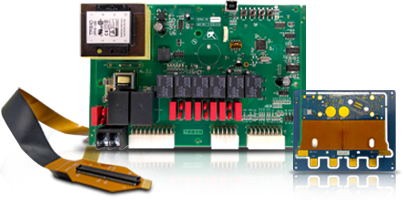
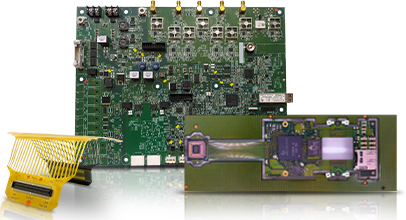
Before diving deeper, let’s clear up something basic. Ask a PCB board manufacturer and they’ll tell you PCBs come in three flavours:
- Rigid PCBs: No bend, all structure. Almost every phone and computer uses them.
- Flex PCBs: These can bend and twist. Think cameras, wearables, or folding gadgets.
- Rigid-Flex PCBs: Mix of the above. Where you need both flexibility and strength.
You’ll see Class 2 and Class 3 associated with all these types.

What Is IPC and What Are Class 1, 2, and 3 Electronics?
IPC stands for Institute for Printed Circuits. They’re the group who says, “Here’s how you build a good board.” The standards cover everything from the size of the copper ring around a drilled hole to how much dirt is allowed on a finished surface.
- Class 1 electronics: Basic boards, like in cheap toys or throwaway gadgets. Good enough is fine. Not for anything critical.
- IPC Class 2: Standard for most workhorse devices, computers, TVs, consumer tech. These need stable performance but aren’t life-or-death.
- IPC Class 3: Premium. Boards here are expected to survive abuse, medical devices, planes, industrial controls. No shortcuts.
What this really means is: Class 2 is about “consistent and dependable.” Class 3 says, “never fail, ever.”
IPC Class 2 vs Class 3: What’s Different and Why It Matters
The rules get stricter as you go higher. Here’s how they stack up:
1. Reliability
If your device can’t handle a little downtime, go with Class 2. If lives are on the line, it has to be Class 3. There’s no guesswork here.
2. Design Rules
For Class 3:
- Copper traces are checked for even the tiniest defects.
- Holes drilled through the board must line up perfectly.
- Solder joints can’t have pits or gaps. Every part must be where it belongs.
Class 2 isn’t sloppy, but it’s more forgiving. As long as everything works and cosmetic flaws don’t affect function, you’ll pass inspection.
3. Inspection
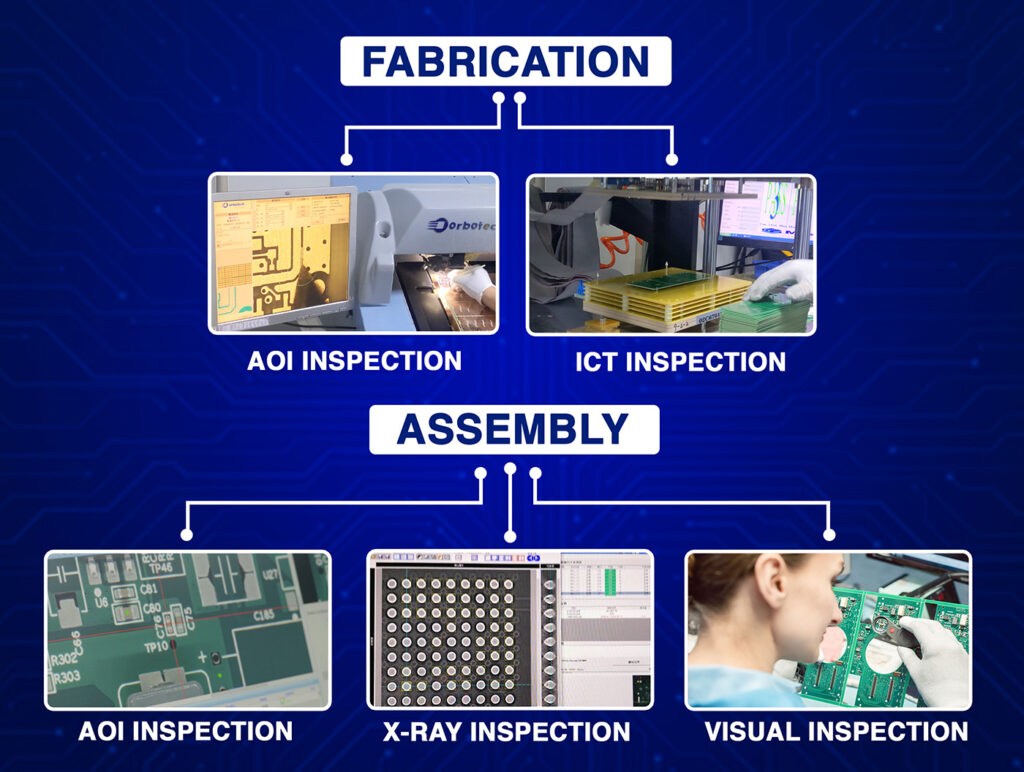
Class 3 boards get extra tests, thermal cycling, vibration, microscopic checks. They’re built to work day after day without drama.
4.Cost and Lead Time
All this extra scrutiny costs time and money. Class 3 boards take longer to make and often cost more. If your product doesn’t need to survive in a fighter jet or inside a pacemaker, Class 2 probably fits better.
Key Differences at a Glance
| Area | Class 2 | Class 3 |
| Tolerance for Flaws | Moderate | Extremely low |
| Reliability | Good everyday performance | Highest, for critical roles |
| Testing | Visual and electrical | Tougher, thorough, environmental |
| Cost | Lower | Higher |
| Typical Use | Phones, computers, TVs | Medical, aerospace, military |
About “Class 2 Transformer” and Why You See It Everywhere
Don’t confuse ipc class 2 with what is class 2 transformer. That’s about electrical safety, making sure circuits don’t get so hot that they cause fires or shocks. You see those power bricks marked “Class 2,” especially in home electronics.
Here’s What PCB Fabrication USA Means for You
US-based fabrication means you’re paying for tight process control by folks who understand IPC’s rules. When you work with an American PCB board manufacturer, ask about their ipc class 2 standards and ipc class 3 expertise. It keeps your communication clear and your finished product ready to ship.
How Do You Choose the Right Class for Your Project?
- Building a wearable gadget or a sensor for ordinary use? Class 2 is probably your best fit.
- Manufacturing a medical sensor, an aircraft navigation unit, or controls for a power plant? You need ipc class 3.
If you try to save a bit and downgrade, a failure in the wrong place might cost you more than just money.
What Should You Tell Your Manufacturer?
Speak plainly and ask:
- What classes do you build?
- Which IPC standards do you follow?
- Do you have photos or real examples of Class 2 vs Class 3 assemblies?
- What’s your process for testing Class 3 boards?
If your manufacturer hesitates or gives you a vague answer, keep looking. Trusted names like Blind Buried Circuits put it all up front: listing capabilities for class 2, class 3, flexible, rigid, and rigid-flex.
Tips for Your Next PCB Project
- Specify the IPC class in your order every single time.
- Share your real-world use case with your PCB manufacturer.
- Ask about the inspection and test process, especially for class 3 electronics.
- Learn from past failures. If a board broke, check which class it was.
- Remember, fancy features don’t always need the strictest standards.
If you want to read straight from the source, explore the official IPC standards overview.
Let’s Wrap It Up
Every project lives or dies by attention to detail. When it comes to PCB manufacturing and assembly, the IPC class is that detail. Your boards could be in a fridge or on a rocket. Know the difference. Choose wisely. Talk to your manufacturer, don’t just tick a box.
A board made to the right standard works, lasts, and keeps your customers happy. And isn’t that really what you want in the end?
Now you can walk into a meeting, start a project, or talk to your engineer confidently. Because you know what really matters when it comes to IPC Class 2 vs Class 3.
FAQ
Q: Are the rules mostly about looks or performance?
A: Class 3 expects flawless looks and perfect performance. Class 2 allows flaws as long as the board still works.
Q: Is Class 3 always worth the cost?
A: Only if your device has to work no matter what. Most products do great with Class 2.
Q: Can you mix classes in a single board?
A: No, you build to the highest standard that your most critical part needs.
Q: What are the three types of PCB?
A: Rigid, flex, and rigid-flex. Class 2 and Class 3 apply across all these.