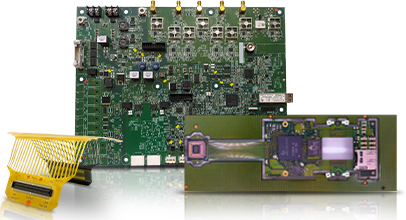


For those of you who may be working in electronics and PCB design, chances are you have already heard of QFN packages. Perhaps you have been thinking of the right ways of executing tough jobs like QFN package soldering or deciding on the proper QFN package socket to use. In the following paragraphs, we are going to explore some of the most critical facts that you need to know concerning QFN packages.
What’s a QFN Package Anyway?
QFN means Quad Flat No-lead Package. The good part is that there are no protruding metal legs for the chips. Instead, all connections are made on the surface and are physically housed beneath the chip.
Consider a mini flat with a box with pins. The flat box sits and is aligned with the surface of the PCB and is soldered to its surface. QFN packages having no leads mean they use considerably less space. This is especially useful for devices to be small or for those to be packed with numerous functions.

What’s Inside the QFN?
For the QFN package, we need to look through a QFN structure containing a Quad Flat No lead chip, and the overall box that gives the structure purpose. Hence, the following is roughly broken down: The silicon die, a chip designed to them made from an SC chip module tableau, where they acquire and hold the subsequent electrical functions that the Logical structure is in control of.
- A lead frame, which assists in bridging the chip and the board beneath it.
- Small wires or bumps that join the die to the leads.
- A large metallic pad is located directly under the chip. This serves a function—it aids in dissipating the heat from the chip to prevent overheating.
- Plastic casing to avoid any damage to the internal components.
This allows the QFN package to remain small while still maintaining a high level of functionality.

Why Should You Care About QFN Packages?
One of the most important things to note is that QFN packages are designed for applications where the real estate is limited. As it turns out, real estate is limited in electronics. Moreover, these packages aid in maintaining a cool operating temperature and rapid processing speeds.
To you, that means:
- Your board can incorporate a greater number of components within a limited area.
- Reduced risk of overheating as the large pad underneath assists in cooling.
- Reduced risk of noise and interference due to shorter signal paths.
- Fast, dependable, and efficient assembly, which is ideal for quick PCB manufacturing.
This is why QFN package assembly makes the selection of the PCB manufacturer critical. Such manufacturers understand these packages and know how to assemble them so that your device functions as appropriately intended.

How to Avoid Stress when Soldering QFN Packages
Unlike other chips, QFN Packages have their pins underneath the chip, making it impossible to see the solder joints, which can complicate the soldering process. What can be done to ensure it goes smoothly?
- To make sure the QFN pads receive the right amount of solder paste, utilize a stencil to place it.
- Place the chip on the board accurately. Connection failure is possible through minor misalignment.
- Reflow soldering is the way to go. An entire board is heated to a specific temperature, allowing all solder to melt, which would subsequently bond everything.
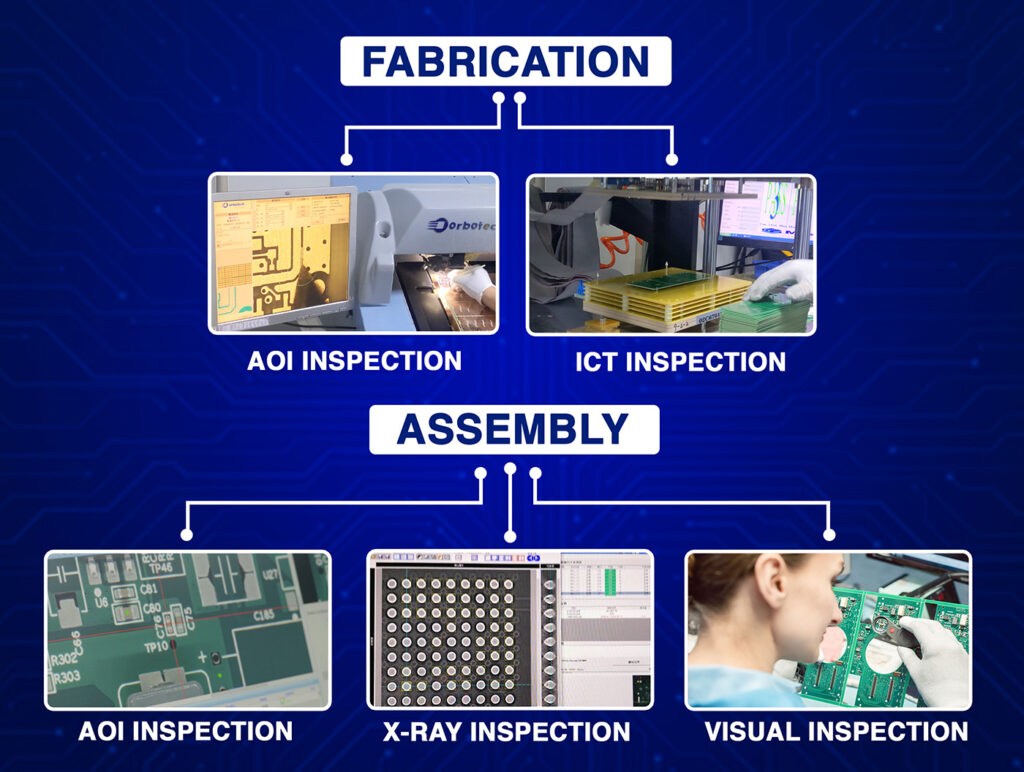
- Inspection is vital, especially when it comes to QFN joints, seeing as they would be out of sight. X-rays or specialized microscopes are used to check for concealed defects.
The large thermal pads also need to be soldered to ensure mechanical strength and are crucial for heat dissipation.
What about their Sockets?
QFN package sockets are tools that allow the user to insert the QFN chip without the need to solder it directly, which is convenient for testers. other to being easy to remove, it allows other chips to be used or debugged without damage.
It’s like a temporary parking space for the chip on the PCB. These are commonly used during development or in test setups.
In What Areas are QFN packages the Most Useful?
Concerning QFN packages, their usefulness can be found in several places, including their compact size, ease in thermal management, and meticulous signal integrity. A few notable examples are:
- Tablets and smartphones: These an extreme height and width restrictions.
- Medical equipment: The devices need to be and stay ultra-reliable.
- Wearables: Smartwatches and similar gadgets require light and slim components.
- Devices for wireless communication, Good signal-to-noise ratio.
- Tier II industrial sensors: High durability and extreme miniaturization.
Having this type of knowledge can help you make the proper QA checks, decide on board requirements, and choose the right QFN for the product.
Fast QFN and PCB Manufacturing
As previously discussed, QFN packages can help boost efficiency and speed during the manufacture of PCBs. Why?
- Their utilization minimizes x-ray inspection.
- The soldering of the components onto the PCB must be error-free.
- The relevant equipment must already be available, as these processes require precision down to every single solder point.
On the other hand, companies like Blind Buried Circuits in the USA, provide a range of services, including QFN and other types of packages. In turn, this helps remove risks during the manufacture process and cuts time.
What To Consider When Ordering QFN Assemblies
The most relevant QFN aspects are the following for the reader to remember:
- Having the right equipment is as essential as understanding the soldering process of the QFN packages.
- If you are testing or thinking of swapping out any chips, make sure to inquire about QFN sockets.
- Pay attention to the large thermal pad; it is not optional. It does affect performance.
- Make sure that fine-pitch placement and detailed inspection are within the capabilities of your fab house.
- Effective communication from the start saves you a lot of time and resources down the line.
Let’s summarize what has been covered.
Your Tasks for Achieving QFN Success
Make sure that the PCB manufacturer you choose has extensive experience with QFN design.
- Provide detailed soldering instructions and thermal pad connection guidance.
- If you foresee a need for frequent testing or chip swapping, consider QFN sockets.
- Check to make sure the inspection process is not limited to visual inspection.
Conclusion
To gain insights from reliable sources, consider starting from IPC and electronics manufacturing blogs. Blind Buried Circuits specializes in the PCB manufacturing and assembly industry, including QFN packages, and could be the partner you are looking for.
Within these small QFN packages, a lot of information and a lot of things are offered. You can now get the information and support needed in order to ask the correct and intelligent questions for your future PCB project.
Frequently Asked Questions
Q. What is a QFN?
A. A leadless chip package with pins below
Q. Why use it?
A. Saves space, better heat, and facilitates faster signals
Q.How to solder QFN?
A.Stencils, reflow ovens, and X-rays for final inspection.
Q.What is a QFN socket?
A. A temporary chip holder for testing
Q. Where found?
A.Phones, medical devices, wireless devices, wearables, and other electronics
Q. Needed for fast assembly?
A.Yes, they require precise placement and inspection.