

In today’s world of 5G networks, IoT devices, and high-speed communication, RF PCB technology has become essential for achieving reliable wireless connectivity. Businesses face growing challenges with signal integrity, electromagnetic interference, and material selection when designing RF boards that operate efficiently at microwave and millimeter-wave frequencies.
This blog will help you to explore what an RF PCB is, common design challenges, proven strategies, and real-world best practices. Whether you’re an electronics engineer or a manufacturer seeking pcb fabrication USA services, understanding how to optimize RF circuit board performance will help you stay ahead of the competition.
Understanding RF PCB and Its Role in Modern Electronics
An RF PCB (Radio Frequency Printed Circuit Board) is a specialized type of PCB designed to carry high-frequency signals, typically above 100 MHz. Unlike standard PCBs, an RF board must manage tight impedance control, minimize losses, and maintain consistent performance across wide bandwidths.
RF circuit boards are critical for wireless communication devices, radar systems, satellite equipment, and next-generation 5G infrastructure. The combination of advanced RF pcb design and premium fabrication ensures minimal signal distortion, making them vital for modern electronics.
Key Challenges in RF PCB Design and Material Selection
Designing an RF PCB requires addressing unique electrical and mechanical considerations. High-frequency signals are highly sensitive to parasitic effects, meaning even small design flaws can lead to performance loss.
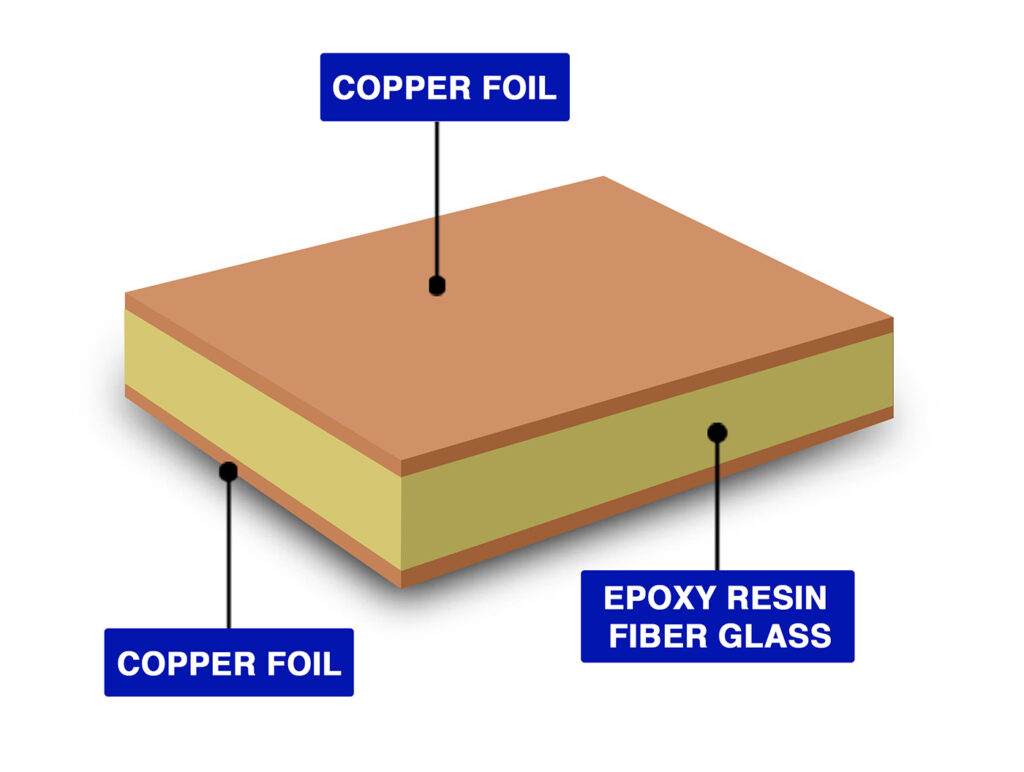
One major factor is the dielectric constant of the substrate. For instance, using materials with a low cardboard dielectric constant can lead to signal attenuation and inconsistent impedance. Engineers must select high-quality laminates with stable dielectric properties across operating frequencies to ensure optimal performance.
Other challenges include thermal management, crosstalk suppression, and cost-effective manufacturing—especially when working with domestic services like pcb fabrication usa to ensure quality and compliance.
Core Design Strategies for Reliable RF Circuit Boards
Proper planning and execution of RF pcb design are critical to achieving low loss and high reliability. Here are three key strategies:
Controlling Impedance for High-Frequency Performance
Precise impedance control is fundamental to RF circuit board performance. Designers use microstrip and stripline configurations, ensuring trace widths and spacing are optimized for the required impedance level, typically 50 ohms.

Layer Stack-Up and RF Board Layout Best Practices
A well-thought-out layer stack reduces EMI and crosstalk. Placing ground planes strategically and keeping high-frequency traces short and direct are essential RFdesign tactics. Rf pcb design resources can help teams adopt proven layout rules.

Choosing Materials with the Right Dielectric Constant
Material selection directly influences signal propagation. Avoid low-quality substrates with a cardboard dielectric constant and instead choose specialized RF materials like Rogers or Taconic laminates for stable high-frequency performance.

Real-World RF PCB Applications and Case Studies
Industries like aerospace, automotive radar, and telecom rely on RF PCBs to enable reliable, high-speed wireless communication. For example:
- 5G Infrastructure: RF boards support multi-gigahertz frequencies for fast, low-latency networks.
- Satellite Communication: Stable dielectric materials and robust RF pcb design ensure signal integrity in harsh environments.
- IoT Devices: Compact RF circuit boards deliver seamless connectivity for smart homes and wearables.
Collaborating with experts in pcb fabrication usa ensures that these complex designs meet stringent industry standards while staying cost-efficient.
Common Mistakes to Avoid in RF PCB Design
Even experienced engineers can overlook critical details. Common pitfalls include:
- Using materials with an inconsistent or low cardboard dielectric constant, leading to poor high-frequency performance.
- Neglecting impedance matching, which results in reflection and signal loss.
- Inadequate grounding or shielding, causing EMI and noise issues.
Frequently asked questions often revolve around choosing the right substrate, achieving proper impedance, and ensuring repeatable manufacturing for RF board production.
Conclusion: Build High-Performance RF Boards with Expert Design Support
A well-designed RF PCB is the foundation of today’s wireless technologies. By carefully selecting materials, controlling impedance, and working with trusted partners for pcb fabrication usa, companies can reduce risk and accelerate product launches.
Whether you’re designing for 5G, IoT, or aerospace, expert RF pcb design ensures your RF circuit board meets performance and reliability demands. Contact our team today to discuss your next high-frequency project or request a detailed whitepaper at sales@blindburiedcircuits.com.