

Every electronic device has a printed circuit board (PCB) that connects all the parts like an electrical road map. However, vias, those tiny holes that connect PCB layers, are often overlooked. The via current-carrying capacity determines how much current can safely pass through these holes without overheating or failing.
Blind Buried Circuits, a trusted PCB board manufacturer, emphasizes careful design and uses RF-4 material to optimize heat transfer and reliability.
This blog will discuss how PCB via current capacity impacts circuit performance, how current moves through them, and why it’s crucial to get this right.
What Are Vias and Why Do They Matter?
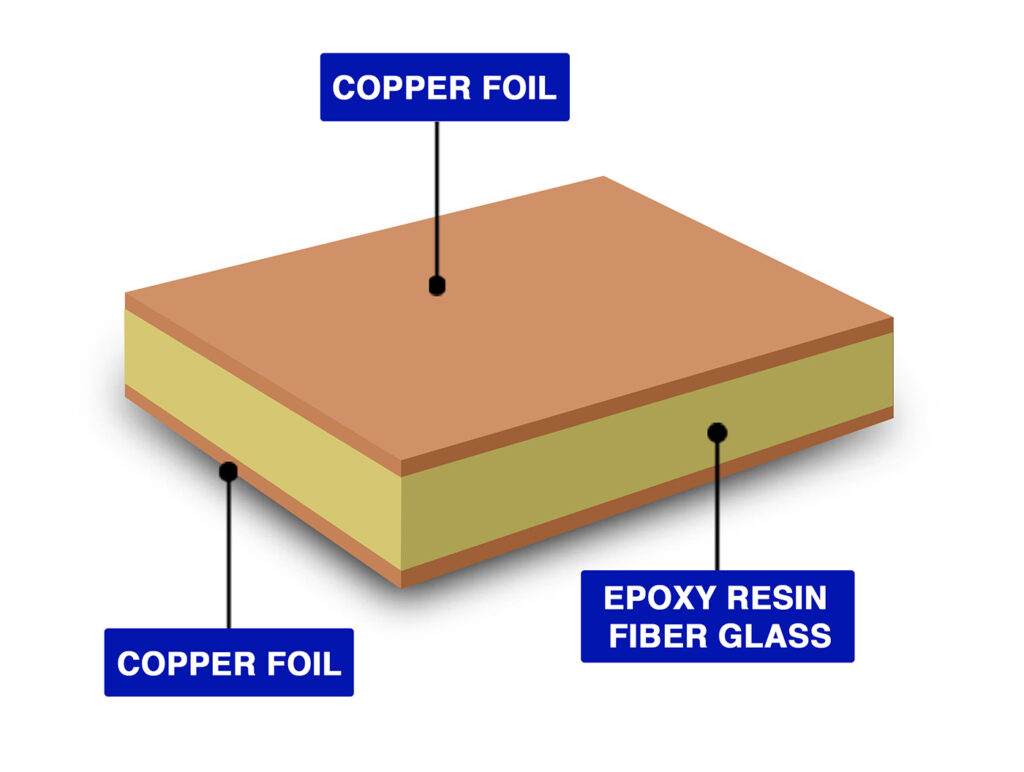
Think of a PCB as a sandwich made of many thin layers. Each layer has copper traces printed on it. To make electrical connections between these layers, we drill tiny holes called vias. These holes have copper plating inside to carry electricity from one layer to another.
There are several types of vias:
- Through-hole vias go all the way through the board from top to bottom.
- Blind vias connect the outer layer to inner layers but don’t go all the way through.
- Buried vias are hidden inside the board connecting only inner layers.
- Microvias are tiny vias used especially in dense boards or those with high speed signals.
Another key factor is the via aspect ratio, the ratio of the board thickness to the via hole diameter. A high aspect ratio can make it harder to achieve uniform plating, which may reduce current capacity and reliability. Every via has a copper barrel (the walls of the hole that carry current), annular rings (copper pads around the hole), and sometimes special materials filling or plugging the hole to help with heat or strength.

Vias are important because they don’t just connect power and signals between layers. They can also move heat away from hot parts of the board. If they can’t carry the current safely, they can cause failures.
What Does Via Current Capacity Mean?
Your via’s current capacity is the maximum amount of electric current it can carry without getting too hot or damaged. Whenever current flows through any conductor, it meets resistance, and resistance creates heat. This is called Joule heating.
For reference, a typical 10-mil via with 1 oz plating might safely carry around 1 amp with a 10°C rise, while a 20-mil via can handle over 2 amps. Designers often allow a maximum temperature rise of 10–20°C for safe operation.
Vias, because they are small and cylindrical, have different thermal and electrical behavior than flat copper traces on the surface. If too much current goes through a via and it heats up beyond safe limits, it can damage the PCB structure, cause cracks, or break connections.
You measure current capacity often by how many amps cause a specific temperature rise in the via, like 10 or 20 degrees Celsius above normal. Understanding circuit board via current capacity is essential for ensuring stable power delivery and preventing heat-related failures across multilayer PCB designs.

How Do Designers Know What Current Via Can Carry?
For a long time, designers used a standard called IPC-2221 to figure out safe currents. But it wasn’t very detailed for vias. Now, a newer standard , IPC-2152 , provides much better tools and formulas.
IPC-2152 offers detailed empirical data and correction charts that consider via environment, plating thickness, and heat transfer to planes. Many designers now use thermal simulation software like Altium Designer’s PDN Analyzer or Ansys Icepak to validate via current capacity before manufacturing.

What Changes How Much Current Your Via Can Take?
Several things can change your via’s ability to carry current:
- Via size: Larger diameter means more copper to carry current.
- Copper plating thickness: Thicker plating means less resistance and less heat.
- Length of the via: Longer vias have more resistance, which means more heat.
- Thermal path: Heat leaves the via through substrate and copper planes. Good RF-4 material helps heat to flow out better.
- Connections to nearby traces: Wide traces or ground planes can pull heat away.
- Via filling: Filling or plugging vias with special materials can improve heat transfer and strength.
- Using multiple vias: Instead of one big via, spreading current over several vias lowers heat build-up.
- Material quality: Substrates and copper purity affect how well current flows.
- Manufacturing quality: Variations in plating or hole size can reduce capacity and cause failures.
Environmental factors also matter. Higher ambient temperatures or limited airflow reduce a via’s ability to dissipate heat. Likewise, buried vias trapped within PCB layers run hotter than exposed ones, requiring derating during design.
How Heat Works in Vias Compared to Traces
You may think surface traces would get hotter, but vias often run cooler inside the board. This happens because heat spreads into surrounding layers and the board material (like FR-4 or RF-4 material, which has better thermal properties). The board acts like a heat sink and pulls heat away from the via.
Sometimes, very wide and exposed surface traces stay cooler because they can lose heat more easily to the air. When designing a board, it’s important to balance these factors.
If your vias or traces heat cycle, that is, repeatedly get hot and cool down, it can cause stress or fatigue, eventually leading to cracks or failures. Good via design improves the overall reliability of your PCB.
Designers often use thermal vias, arrays of small vias placed under hot components like voltage regulators or LEDs, to conduct heat into inner copper planes, lowering junction temperatures and improving board reliability.

What Happens if Your Via Can’t Handle Enough Current?
If you send more current than your via can safely carry, problems arise:
- Power loss: Poor current flow wastes energy and can drain batteries or increase operating costs.
- Hot spots: Extra heat can damage the board, weaken resin materials, and cause layers to separate (delamination).
- Mechanical failures: Excessive heat causes copper plating to crack or peel, breaking connections. In extreme cases, such as in automotive or aerospace electronics, this can lead to intermittent open circuits that are difficult to diagnose, often appearing only under thermal cycling or vibration.
- Signal problems: For sensitive circuit parts, voltage drops and noise can distort signals.
- Electromagnetic interference (EMI): Poor current flow can increase unwanted noise or crosstalk.
Design Tips for Safe Via Current Capacity
Here are practical tips you can apply to your designs:
- First, figure out the highest current your vias will carry and add some margin for safety.
- Use several smaller vias instead of a single large one. This spreads heat and reduces stress.
- Ask your PCB board manufacturer about increasing plating thickness where needed.
- Consider filling vias in high current paths; it helps with heat and strength.
- Stitch vias in ground and power planes to improve current distribution.
- Keep vias short with good shape to reduce resistance and stress.
- Use PCB design software rules to catch problems before production.
- For compact, high-power layouts, consider via-in-pad designs where vias are placed directly on component pads to shorten current paths. Modern PCB board manufacturers like Blind Buried Circuits use resin filling and plating over to maintain planarity and reliability.
- You can also use IPC-compliant calculators or tools like Saturn PCB Toolkit to estimate current capacity during layout.
- Test your prototypes using thermal cameras to spot hot spots early.
Conclusion
- Vias are small but vital parts of your PCB carrying electrical current between layers.
- Their current capacity depends on size, plating, length, materials, and heat management.
- Poor via design causes failures, overheating, and signal problems.
- Use standards like IPC-2152 for precise calculations.
- Work closely with your PCB manufacturer, like Blind Buried Circuits, to get vias built to spec.
- Plan early, run simulations, and test often.
Getting your via design right helps you build better, more reliable electronics.
Always follow IPC-2152 guidelines, simulate heat flow, and verify designs through prototype testing.
Partnering with an experienced PCB board manufacturer like Blind Buried Circuits ensures your vias meet required current and thermal performance, from design through production.
Frequently Asked Questions
- How does humidity affect via current capacity?
Moisture can get into your board and cause corrosion inside vias. That ups resistance and can reduce current capacity. Keeping your PCBs dry and coated helps protect your vias.
- Why do vias cause noise in high-speed circuits?
Vias add tiny resistances and inductances that can distort signals, especially in fast data lines. Smart placement and RF-4 material help keep signals clean.
- Can changing the via shape improve current capacity?
Yes. While round vias are common, grouping smaller vias or special shapes can boost capacity without taking extra space.
- How can manufacturing inconsistencies impact vias?
If plating isn’t thick enough or holes aren’t perfect, vias carry less current and get hotter. Choose PCB manufacturers with strict quality controls.
- How can via placement help with heat?
Putting vias near hot components or spreading them out lets heat flow away faster. Good placement prevents hot spots and boosts the life of your PCB.
- How does copper plating thickness affect via current capacity?
A thicker copper barrel reduces electrical resistance and heat generation. For instance, increasing plating from 1 oz to 2 oz can boost via current capacity by nearly 50% without increasing hole size.