

You want your electronic product to work as planned and arrive on time. If your PCB design doesn’t fit what your PCB board manufacturer can actually produce, you could end up with headaches and wasted money. Getting fast PCB manufacturing isn’t just about speed. It’s about knowing the right steps before your design ever leaves your laptop.
This blog walks you through those steps. Think of it as your checklist for making sure nothing gets missed and your project moves ahead without big surprises.
Did you know that most delays in quick-turn PCB manufacturing come down to problems in the design files? In fact, more than half of the problems happen because something important was missed during the last review. If you want your board made quickly and correctly, these DFM (Design for Manufacturability) issues matter.
Aligning With Your Fabricator and OEM Requirements
Know Your Manufacturer’s Limits
Every PCB board manufacturer has a range of things they can do and things they just can’t. Some make 50-layer boards. Others only do basic ones. Your first step: learn what your manufacturer in the USA or Canada can actually build when you need fast PCB manufacturing.
Start by asking:
- What stack-ups work for their machines?
- Which layer thicknesses and copper weights can they do with quick-turn PCB manufacturing?
- Are there limits on drill sizes, board size, or any special finishes?
If you know these things up front, you cut down on back-and-forth emails and avoid sudden changes.

Complete File-Package and Documentation
Missing documents can cause stack-ups or delays. Your manufacturer needs everything up front:
- Gerber files
- Drill charts
- BOMs
- Netlists
- Drawings
Keep it all organized and double-check that it’s accurate. This is your best shot at getting your board made fast, especially if you’re counting on quick-turn PCB manufacturing.
Starting DFM Reviews Early
Why wait until everything’s routed? A smart designer gets feedback early. This way, you can spot trace width issues, clearance gaps, or missing information before the work is done.
Early DFM reviews, before you finish your layout, help you move quickly and reduce changes later. Imagine sending your board out, knowing there won’t be sudden problems.

PCB Fabrication Considerations
Layer Stack-up & Board Thickness
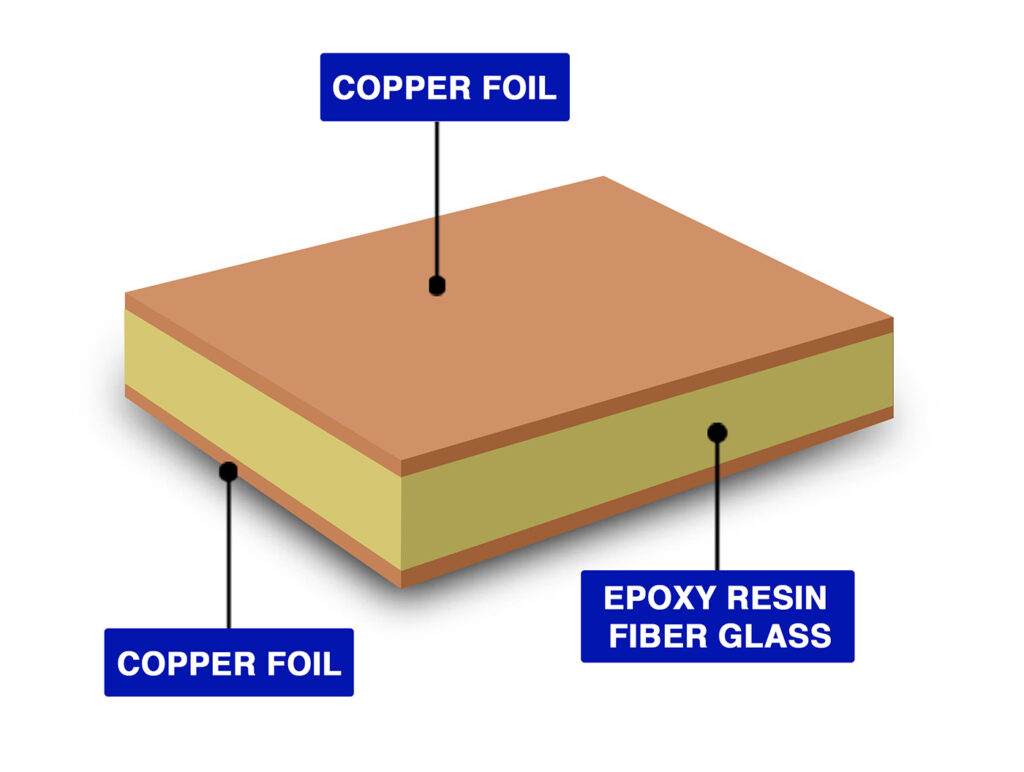
Layer stack-up isn’t just a detail, it’s the backbone of your board. Make sure your dielectric materials and copper weights suit your board’s needs. If your design is too thick or too thin, it may not fit the case requirements or connectors.
If you ignore the layer stack-up, you risk signal problems or a bad fit. Ask your PCB manufacturer for a suggested stack-up, they’ll know what works for fast PCB manufacturing.

Drilling, Vias & Aspect Ratios
Here’s a simple rule: don’t push drill sizes beyond what’s normal. Giant aspect ratios (deep holes, not much width) are a problem for plating and strength. Use microvias or blind vias only if your board really needs them. Always check the manufacturer’s limits.

Trace Width, Copper & Spacing
Trace width matters for both signals and PCB design guidelines. Keep traces wide enough for power, but thin enough for complex routing. Never ignore spacing rules. Crowded traces are a top reason boards fail during assembly.
Make sure copper isn’t too close to the edge, and always follow the spacing rules given by your PCB board manufacturer.

Edge Clearance & Board Outline
Give enough space from copper to the edge, at least 10 mils. This helps prevent damage when boards are cut apart. Add transparent outline layers and reference holes or fiducials for alignment.

Solder Mask, Silkscreen & Surface Finish
Think of these as the “labels” of your board. Make sure tabs and test points are easy to see, and that silkscreens stay away from pads. Choose finishes like HASL or ENIG that fit how the board will be used.

Tolerances, Bow & Twist
Bow and twist aren’t just words. If your board warps, it won’t sit flat or connect correctly. Keep bow and twist within limits (usually under 1%). Ask your manufacturer for advice, they’ve seen boards fail from sloppy tolerances.

Component Placement & Assembly Readiness
Pad and Footprint Accuracy
Nothing slows down a fast PCB manufacturing project like a wrong footprint. Always use the correct pad sizes and shapes. Double-check library parts. Even a tiny footprint mistake means wasted boards and time.
Density, Orientation & Accessibility
Try not to overcrowd parts. It’s tempting to pack everything in, but that can make soldering tough and repair nearly impossible. Line up polarized parts the same way, make connectors easy to reach, and keep fragile pieces clear from the edges.
Fiducials, Test Points, Panelization
Fiducials are little dots for machine alignment. Place two in opposite corners. For quick testing, always add test points, this helps with inspection and troubleshooting later. Think about whether it’s better to have boards made as singles or panels. Panelization speeds up assembly but needs extra care for the outline and tooling holes.
Thermal & Mechanical Considerations
High-power parts get hot. Don’t bunch them together, spread them out and use copper pours for heat sinks. Anything that moves or flexes should have room to breathe so your board doesn’t crack or fail during use.
Making Inspection & Repair Easier
Design boards so they’re easy to test. Leave clear paths for probes, tools, and visual checks. If your board’s easy to inspect, it’ll be easier to fix down the road.
Signal, Power, and Thermal Details
Controlled Impedance & High-Speed Routing
Signal problems sneak up on designers. If you’re running high-speed signals, check impedance regularly. Use matched lengths, and remember how stack-up affects signal quality. Simulate or ask for advice if you’re not sure.
Power Distribution & Copper Planes
Planes make power stable. Vast copper planes and short ground returns make signals clean and stable. Thin copper can cause all sorts of trouble, including heat buildup and voltage drops.
Thermal Management
Overheating shortens the life of your board. Use thermal vias, copper pours, and heat sinks where needed. Spread out hot components, and never forget airflow.
Reliability & Serviceability
Reliability comes from good testing, smart layout, and careful stacking. Stick to standard materials when possible for fast PCB manufacturing and easy repairs.
Testability & Serviceability
Include test points on major signals and power rails. Think beyond finished boards, make this board easy to check, and future technicians will thank you.
Cost & Time-to-Market Concerns
Your choices decide your project’s budget. Standard boards and parts move faster. If you use rare materials or nonstandard sizes, it’ll be slower and more expensive.
Simple designs and clear communication with your PCB board manufacturer keep your project moving. For steady work in the USA and Canada, those habits pay off.
Common Pitfalls and How to Dodge Them
Here’s what usually goes wrong:
- Missing copper balance, boards warp and bend.
- Overlapping silkscreen on pads or vias, inspectors miss errors.
- Not checking pad expansion, shorts sneak in.
- Wrong polarity markers, mistakes in assembly.
Go through a full checklist before sending files for fast PCB manufacturing. Ask your manufacturer for their “top five mistakes”, it’ll save you stress later.
DFM Checklist for Designers
Before submitting your PCB, make sure you:
- Include a clear outline and fiducials.
- Double-check footprints.
- Run a full DFM check for tolerances and spacing.
- Confirm stack-up and simulations.
- Mark the solder mask and silkscreen.
- Match BOM parts to library footprints.
- Perform the final design rule check.
This routine isn’t just busywork, it saves time and money and gets your board made right the first time.
Conclusion
You want your PCB to get made fast, work every time, and land in your hands without hassle. By focusing on DFM issues early and working closely with your PCB board manufacturer, you avoid problems and keep your project smooth.
Blind Buried Circuits is one example of how careful design and manufacturing help you reach your goals with quick-turn PCB manufacturing, especially across the USA and Canada. Stick to these guidelines and your next board build will be less stressful, less expensive, and more reliable.
FAQs
How do fast PCB manufacturing and DFM checks prevent mistakes in PCB design guidelines?
Fast PCB manufacturing relies on catching problems early using a real DFM checklist and following PCB design guidelines for things like spacing, stack-up, and pad details.
What’s the most common problem with quick-turn PCB manufacturing?
Most quick-turn PCB manufacturing errors happen because of missing details in the submissions, like leaving out drill files, foggy outlines, or wrong footprints.
How can you make sure your PCB board manufacturer in the USA meets your needs?
Talk about your project early, share clear files, use standard parts, and stick to proven PCB design guidelines to get the best results from your PCB board manufacturer in the USA.