

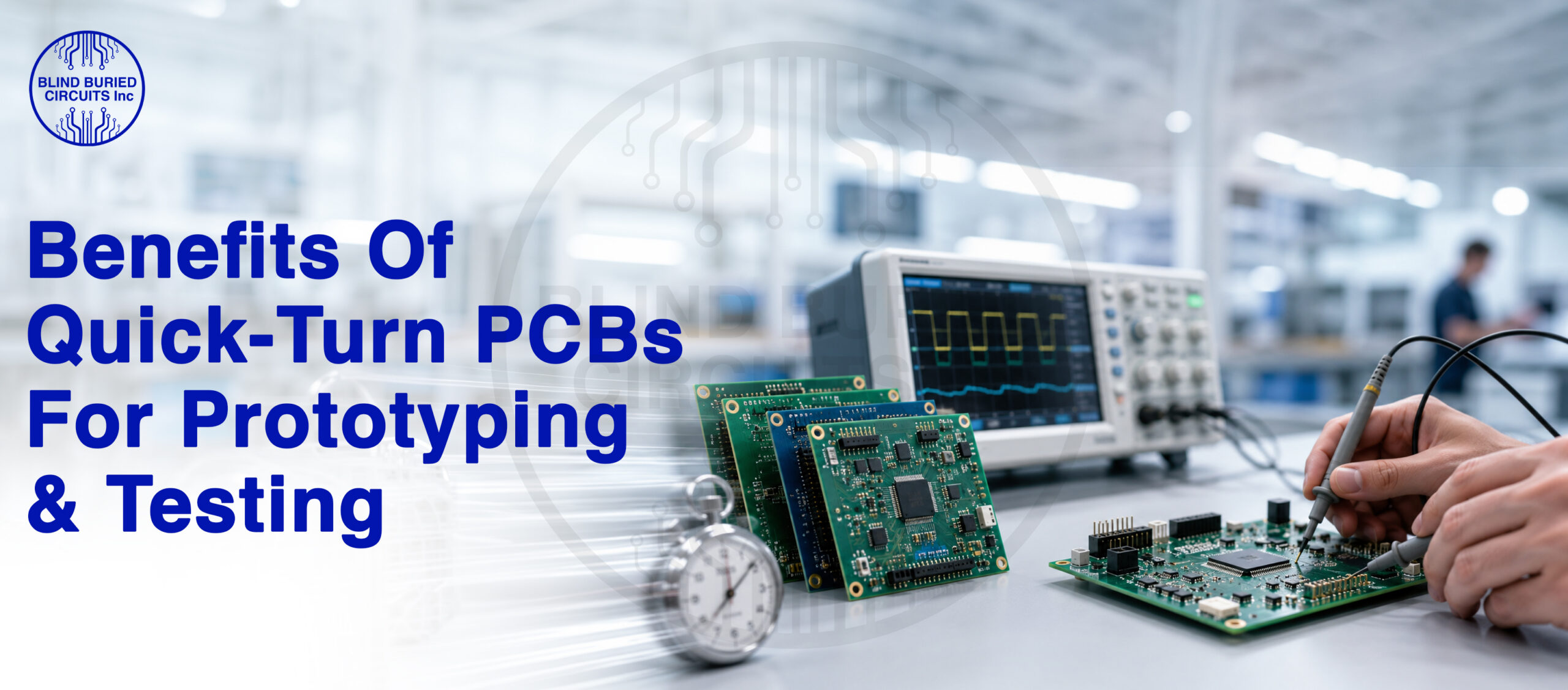
Product teams cannot always wait weeks for a PCB prototype.
A design may be ready. Engineers may be waiting to test it. Firmware work may be blocked. A product demo, funding meeting, or launch date may already be close.
This is where a quick-turn PCB comes in handy.
Quick-turn PCBs help teams move from design to testing faster. They reduce wait times, support faster changes, and help engineers identify real problems before production starts.
The value is not only speed. The real value is faster learning.
When a team can test real hardware sooner, it can make better decisions. It can fix design issues earlier. It can avoid costly delays later.
Key Takeaways
Quick-turn PCBs help teams move from design to testing faster.
A quick-turn PCB delivers engineers real hardware sooner, helping them find and fix problems earlier.
Fast PCB manufacturing supports faster design-build-test cycles.
Quick-turn PCB prototyping helps teams improve board quality through repeated testing.
Fast PCB production for testing supports firmware work, functional testing, mechanical checks, and design validation.
Quick-turn PCB services can reduce total development cost by preventing late-stage changes and long delays.
They are not just for urgent jobs. They are a practical tool for better product development.
What Are The Benefits Of Quick-Turn PCBs?
Quick-turn PCBs help teams build, test, and improve circuit boards faster. They reduce prototype waiting time, support early testing, help catch design errors, and make product development more flexible.
For engineering teams, quick-turn PCB prototyping can shorten the gap between design review and real-world validation. This is why it is often used for product testing, firmware bring-up, design validation, and early-stage hardware development.
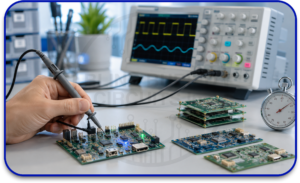
What Is A Quick Turn PCB?
A quick-turn PCB is a printed circuit board manufactured in a shorter timeline than a standard PCB order.
A normal PCB order may take 2-4 weeks. A quick-turn PCB may be delivered in 24 hours for simple boards or within 5 to 10 business days for more detailed prototypes.
The lead time depends on the board design.
Common factors include:
A good quick-turn process does not skip important quality steps. The speed usually comes from better planning, stocked materials, faster engineering review, and dedicated production lanes.
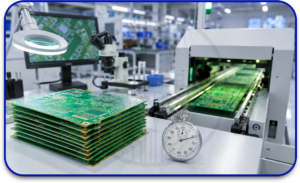
At A Glance: Quick-Turn PCB Vs Standard PCB Production
| Point Of Comparison | Quick-Turn PCB Prototyping | Standard PCB Production |
| Main Use | Prototype testing and validation | Full production or larger batches |
| Typical Quantity | Low volume | Medium to high volume |
| Timeline | 24 hours to 10 business days | 3 to 6 weeks or more |
| Cost Per Board | Higher | Lower in volume |
| Best Stage | Early design and testing | Final production |
| Flexibility | High | Lower after production starts |
| Main Benefit | Faster testing and faster learning | Better cost efficiency at scale |
Why Quick-Turn PCBs Matter In Product Development
Product development depends on testing.
A design may look correct in software, but real hardware can behave differently. A board may pass design checks and still show problems once it is powered, loaded, heated, or placed inside an enclosure.
That is why fast prototyping matters.
Fast PCB manufacturing helps teams test physical boards earlier. It gives engineers real data rather than relying solely on simulations, assumptions, or evaluation boards.
The faster a team can test, the faster it can improve the product.
Benefits Of Quick-Turn PCBs For Prototyping And Testing
Quick-turn PCB services help teams move through design, testing, and revision with fewer delays.
Here are the main benefits.
1. Quick-Turn PCBs Help Catch Design Errors Early
Design tools are helpful. DRC checks are helpful. Simulations are helpful.
But they do not catch everything.
Some issues only appear when the actual board is built and tested.
These may include:
| Issue | Why It Matters |
| Signal Integrity Problems | High-speed traces may not behave as expected |
| Thermal Hotspots | Components may heat up under real load |
| EMI Problems | Grounding or layout issues may create noise |
| Impedance Mismatch | RF or high-speed traces may fail performance checks |
| Mechanical Interference | Components may not fit the enclosure correctly |
| Power Instability | Voltage rails may drop under load |
| Assembly Issues | Parts may be hard to place, inspect, or solder |
A quick-turn PCB helps teams find these problems earlier.
This matters because early design changes are cheaper. Moving a trace, adjusting a via, changing a copper pour, or shifting a component is easier during prototyping than after production begins.
How Do Quick-Turn PCBs Reduce Risk?
Quick-turn PCBs reduce risk by allowing engineers to test real hardware sooner. They help teams find layout, power, signal, thermal, and mechanical issues before the design moves into production.
This helps avoid expensive redesigns, failed testing, and delayed product launches.
2. Faster PCB Iterations Improve Final Design Quality
Good hardware rarely comes from one design cycle.
Most products improve through repeated testing. A team builds a board, tests it, finds issues, improves the design, and builds the next version.
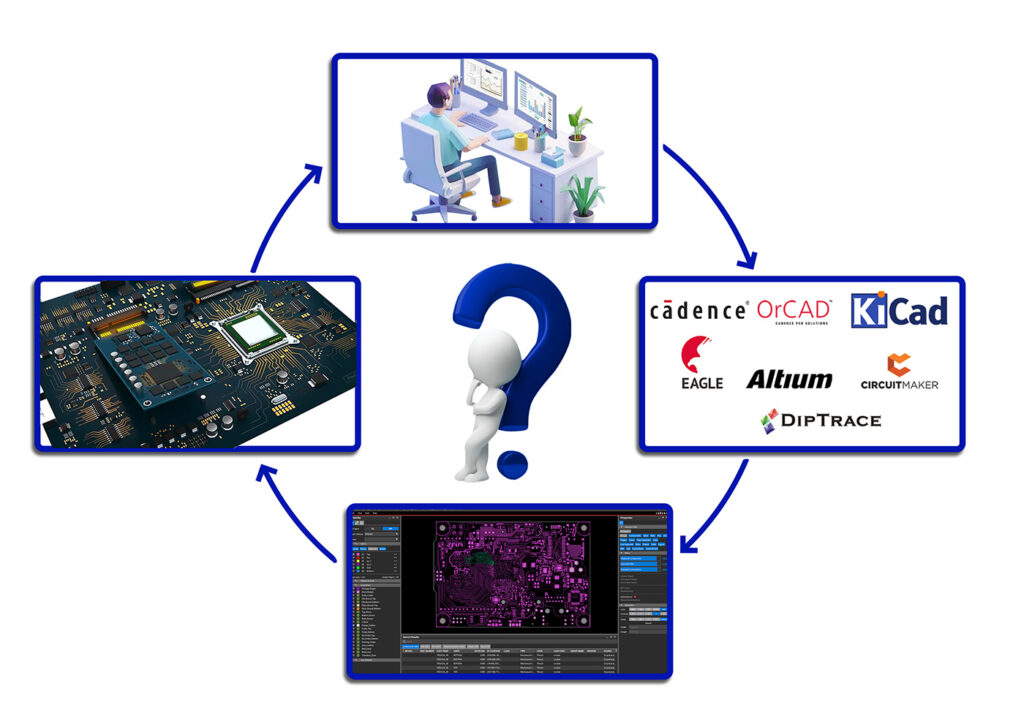
This is the design-build-test cycle.
With standard PCB timelines, a team may complete only a few cycles in a development window. With quick-turn PCB prototyping, that same team can complete more cycles in less time.
More prototype cycles help improve:
- Power performance
- Thermal behavior
- Signal quality
- Firmware stability
- Mechanical fit
- Battery performance
- Component placement
- Test fixture planning
- Production readiness
This is one of the biggest benefits of fast PCB production for testing. It lets engineers improve the product through real evidence, not guesswork.
3. Quick-Turn PCB Services Reduce Total Development Cost
Quick-turn PCBs usually cost more per board.
At first, this may look like a higher expense. But the total development cost is not only the board price.
The higher cost often comes from waiting, rework, failed testing, and late-stage design changes.
| Cost Area | Problem With Slow Prototyping | How Quick-Turn Helps |
| Engineering Time | Teams wait weeks for boards | Engineers test sooner |
| Design Changes | Issues are found late | Problems are found early |
| Testing Delays | Validation starts too late | Testing starts earlier |
| Certification Risk | Failures delay launch | Pre-compliance checks happen sooner |
| Product Demo | Hardware may not be ready | Working prototypes arrive faster |
| Launch Timeline | Delays affect revenue | Faster cycles protect the schedule |
A higher prototype cost can still save money if it prevents one major redesign or one missed launch window.
For startups, this can be even more important. A working board may be needed for an investor demo, customer pilot, or technical review. Waiting weeks can slow the whole business.
4. Quick-Turn PCBs Help Teams Work In Parallel
Slow PCB production often forces teams to work in turn.
The hardware team waits for boards. Then the firmware starts testing. Then the mechanical team checks the fit. Then validation begins.
This creates a slow chain.
Quick-turn PCB prototyping helps break that chain.
When boards arrive faster, different teams can work at the same time.
At A Glance: Parallel Work Enabled By Quick-Turn PCBs
| Team | What They Can Do Earlier |
| Hardware Team | Test layout, power, signals, and thermal behavior |
| Firmware Team | Run code on real hardware |
| Mechanical Team | Check enclosure fit, mounting, and clearances |
| RF Team | Tune antennas and high-frequency sections |
| QA Team | Start test planning and failure checks |
| Compliance Team | Begin early EMC, ESD, or safety checks |
| Manufacturing Team | Review assembly and test fixture needs |
This saves time. It also improves communication between teams.
When everyone works from the same physical board, problems become easier to see and easier to solve.
5. Quick-Turn PCB Prototyping Supports Agile Hardware Development
Hardware teams are under pressure to move faster.
Software teams already work in short cycles. Hardware is now moving in the same direction. Teams want faster builds, faster feedback, and faster decisions.
Quick-turn PCB prototyping supports this approach.
It allows teams to test smaller changes more often, rather than waiting weeks for a single large revision.
What Agile Hardware Means
Agile hardware means:
- Shorter test cycles
- Frequent prototype builds
- Real testing on physical boards
- Faster bug discovery
- Faster design decisions
- Better product confidence before production
Fast PCB manufacturing makes this practical. It gives teams the physical boards they need to test and improve the design more quickly.
6. Functional Testing Starts Earlier
A major benefit of quick-turn PCBs is the ability to perform early functional testing.
Teams do not have to wait until the design is almost final. They can test the board while changes are still easy to make.
Early testing can include:
| Test Type | What It Checks |
| Power Rail Testing | Voltage stability under load |
| Communication Testing | USB, CAN, SPI, UART, I2C, or Ethernet behavior |
| Thermal Testing | Heat buildup during real use |
| Battery Testing | Charging, protection, and discharge behavior |
| Sensor Testing | Accuracy under real conditions |
| Firmware Testing | Hardware and software interaction |
| ESD Checks | Basic protection against static discharge |
| Mechanical Fit Checks | Board size, mounting, and component height |
Early functional testing gives engineers more time to fix problems.
It also means the final production board is based on real testing, not rushed assumptions.
7. Quick-Turn PCBs Help With Firmware Bring-Up
Firmware teams often need real hardware before they can make serious progress.
Evaluation boards are useful, but they do not always match the final product. Pin mapping, sensors, connectors, power rails, and communication paths may be different.
A quick-turn PCB gives firmware engineers the real board sooner.
This helps them test:
- Boot sequence
- Device drivers
- Communication protocols
- Power modes
- Sensor readings
- Error handling
- Firmware updates
- Hardware response under load
This reduces the gap between hardware design and software development.
8. Quick-Turn PCBs Improve Design Validation
Design validation is the process of verifying that the board works as intended.
This includes electrical, mechanical, thermal, and functional checks.
Quick-turn PCB services make validation easier because teams can test sooner and revise faster.
Design Validation Checklist
| Validation Point | Question To Ask |
| Power | Are all voltage rails stable? |
| Signal | Are critical signals clean and reliable? |
| Thermal | Does the board stay within safe temperature limits? |
| Mechanical | Does the PCB fit the enclosure correctly? |
| Firmware | Does the software run properly on the board? |
| Components | Are all parts available and correctly placed? |
| Assembly | Can the board be built without avoidable difficulty? |
| Reliability | Does the board perform under expected use conditions? |
This checklist helps teams avoid moving too quickly into production with an unproven design.
Process: How To Use Quick-Turn PCBs In A Development Cycle
A clear process gives better results.
Step 1: Review The Design Files
Check the schematic, PCB layout, Gerbers, drill files, stack-up, BOM, and assembly files.
Look for simple issues before ordering.
Step 2: Choose The Right Turnaround Time
Do not choose the fastest option only because it is available.
A simple 2-layer board may be suitable for a 24-hour build. A complex controlled-impedance board may need more time.
Step 3: Order A Small Prototype Batch
Order enough boards for hardware testing, firmware work, mechanical fit checks, and backup use.
Step 4: Test Under Real Conditions
Do not only power the board on.
Test it under real load, temperature, signal, and use conditions.
Step 5: Record Every Issue
Document layout problems, heating issues, component concerns, firmware bugs, and mechanical conflicts.
Step 6: Revise The Design
Use the test results to improve the next version.
Step 7: Repeat Until The Board Is Stable
A stable board is easier to move into pilot build or production planning.
Quick-Turn PCB Testing Checklist
Before moving from prototype to production, check these points.
| Checklist Item | Why It Matters |
| Power rails tested | Confirms stable voltage |
| Thermal behavior reviewed | Finds heat problems |
| Communication interfaces tested | Confirms device communication |
| Firmware tested on real board | Reduces software-hardware mismatch |
| Mechanical fit checked | Prevents enclosure issues |
| Signal integrity reviewed | Supports high-speed reliability |
| BOM checked | Confirms component availability |
| Assembly feedback reviewed | Improves manufacturability |
| Pre-compliance testing done | Reduces certification risk |
| Revision notes documented | Keeps the next cycle clear |
When Should Teams Use Quick-Turn PCB Services?
Teams should use quick-turn PCB services when speed, testing, and design learning matter.
They are useful for:
- Prototypes
- Design validation
- Firmware bring-up
- Functional testing
- Investor demos
- Customer samples
- Mechanical fit checks
- EMC pre-compliance
- Engineering change testing
- Low-volume pilot builds
A quick-turn PCB is not only for emergencies. It is often the right choice during early and mid-stage product development.
Short Answer: Are Quick-Turn PCBs Worth It?
Yes, quick-turn PCBs are often worth it when they reduce waiting time, speed up testing, and prevent late-stage design problems.
The board may cost more, but the project can save money by reducing delays, rework, failed tests, and missed launch dates.
FAQs
What Is A Quick Turn PCB?
A quick-turn PCB is a printed circuit board made in a shorter timeline than a standard PCB order. It is often used for prototypes, design testing, validation, and urgent engineering revisions.
What Is Quick Turn PCB Prototyping?
Quick-turn PCB prototyping is the process of building prototype circuit boards quickly so engineers can test and improve the design before production.
It helps teams move faster from layout to real-world testing.
How Fast Can Quick-Turn PCBs Be Made?
Simple, quick-turn PCBs may be made in 24 hours. More complex boards usually take 5 to 10 business days.
The exact timeline depends on board complexity, layer count, material, copper weight, surface finish, and testing needs.
Does Fast PCB Manufacturing Reduce Quality?
No, not if a qualified manufacturer makes the PCB.
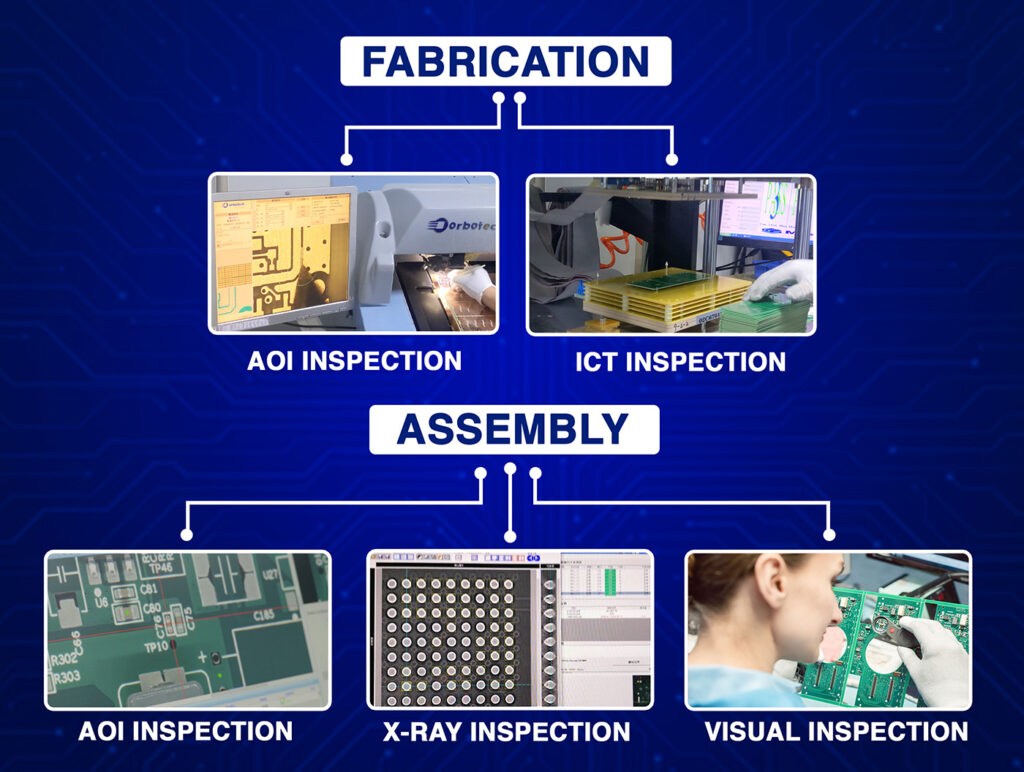
Fast PCB manufacturing should still include proper fabrication, inspection, and testing. The speed should come from better process planning, not from skipping quality checks.
What Are The Main Benefits Of Quick-Turn PCBs?
The main benefits are faster testing, early error detection, more design iterations, better team coordination, faster firmware bring-up, and lower development risk.
How Does Fast PCB Production For Testing Help Engineers?
Fast PCB production for testing gives engineers real boards sooner. This helps them check power, signals, heat, firmware, mechanical fit, and product performance before production.
Are Quick-Turn PCBs Good For Complex Designs?
Yes, but complex designs may take longer.
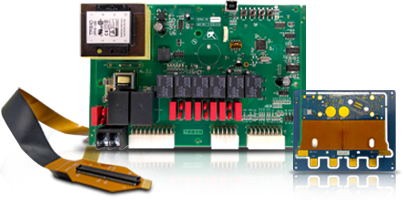
Simple 1- to 4-layer boards are usually faster. High-layer PCBs, controlled-impedance boards, flex circuits, rigid-flex designs, and specialty materials need more review and longer production time.
When Should A Team Use Quick-Turn PCB Services?
A team should use quick-turn PCB services during early prototyping, functional testing, firmware bring-up, design validation, pre-compliance testing, and urgent engineering changes.
Can Quick-Turn PCB Prototyping Reduce Development Cost?
Yes. Even if the prototype board costs more, quick-turn PCB prototyping can reduce total project cost by avoiding long delays, late design changes, failed tests, and missed launch windows.