

Have you wondered how the electronics in your smartphone, laptop, or even car function? A printed circuit board, or PCB, is a small yet powerful component found in all such devices. PCBs integrate and ensure the electronic parts function seamlessly. But what is the process of making these PCBs? Moreover, how is the new wave of technology, called Industry 4.0, impacting their production? In this article, we discuss the impact of Industry 4.0 and IoT on PCB manufacturing in the United States and its relevance to the stakeholders, namely, the manufacturers, designers, and users.
What does Industry 4.0 refer to?
As we dive into the details of Industry 4.0, it is essential to understand that it is the 4th industrial revolution. To put it simply, it marks the beginning of a new era in manufacturing. Furthermore, it centers on the utilization of intelligent robots, computers, and data to enhance efficiency within a factory. Imagine a factory where real-time information sharing occurs between robots, computers, and sensors. This “smart” factory would identify problems at an early stage to help minimize errors, waste, and improve the output rate.
The merger of Industry 4.0 and the Internet of Things enables machines and other devices to connect to the internet, allowing them to communicate with each other. Such a connection proves invaluable in helping factories run smoothly and even predicting problems before they happen.

How Industry 4.0 Is Changing PCB Production
Smarter Factories
In the previous decades, the production of PCBs was a largely manual affair. Workers with specialized skills would operate machines and manually inspect the boards. Nowadays, many tasks are being handled in smart factories by robots and sensors. These devices are now capable of detecting many tiny defects that human beings would otherwise miss.
For example:
- Sensors regulate temperature, humidity, and pressure levels to ensure the environment stays optimal.
- Robots place small components onto the board with remarkable accuracy.
- Computers gather data from each step, providing staff with alerts if anything goes wrong.

Turning these approaches into reality allows PCB manufacturers to produce boards of higher standards at a lower rate of error.
Faster Production Times
In the modern, fast-paced world, speed plays a critical role. The same applies to a factory that needs to produce PCBs.
Improved Damage Control
Costs can accrue rapidly in PCB manufacturing. Devices can fail for a myriad of reasons, and a minor defect is often a leading contributor. Fortunately, Industry 4.0 offers solutions to these problems. The use of sensors allows machines to halt automatically, preventing defective boards from advancing in the production line. This cuts both time and costs.
The PCB Designer’s Responsibilities Under Industry 4.0
Each PCB has an assigned designer who positions every element on it. With the advent of Industry 4.0, experts now have access to smarter and more advanced tools that aid them in their tasks.
- Designers can utilize simulation software, which enables them to test their concepts digitally before creating physical prototypes.
- Cloud-based solutions enable team members to participate from different locations.
- Machines can and do provide instant feedback. With this, designers can resolve any issues that arise before production begins.
With all these innovations at hand, designers can produce boards of greater quality at a faster pace.
How PCB Manufacturing Combines The Use Of IoT And Industry 4.0
The factory now becomes a web of interconnected components with the help of IoT. Each machine connected to the network actively reports its status. If any device notices an impending failure, it automatically issues a warning. With this, repairs become possible without halting production.
This links systems together in order to track every PCB as it is processed in the factory. If something goes wrong, they will be able to pinpoint the problem more quickly and fix it.
Improvements in Automation and Manufacturing Processes of PCBs
Assembly refers to putting all the tiny components onto a PCB. With the advent of Industry 4.0 technologies, the speed and accuracy of this process have undergone significant improvements.
- The Grab and Go robots pick minute items, such as components, and set them accordingly.
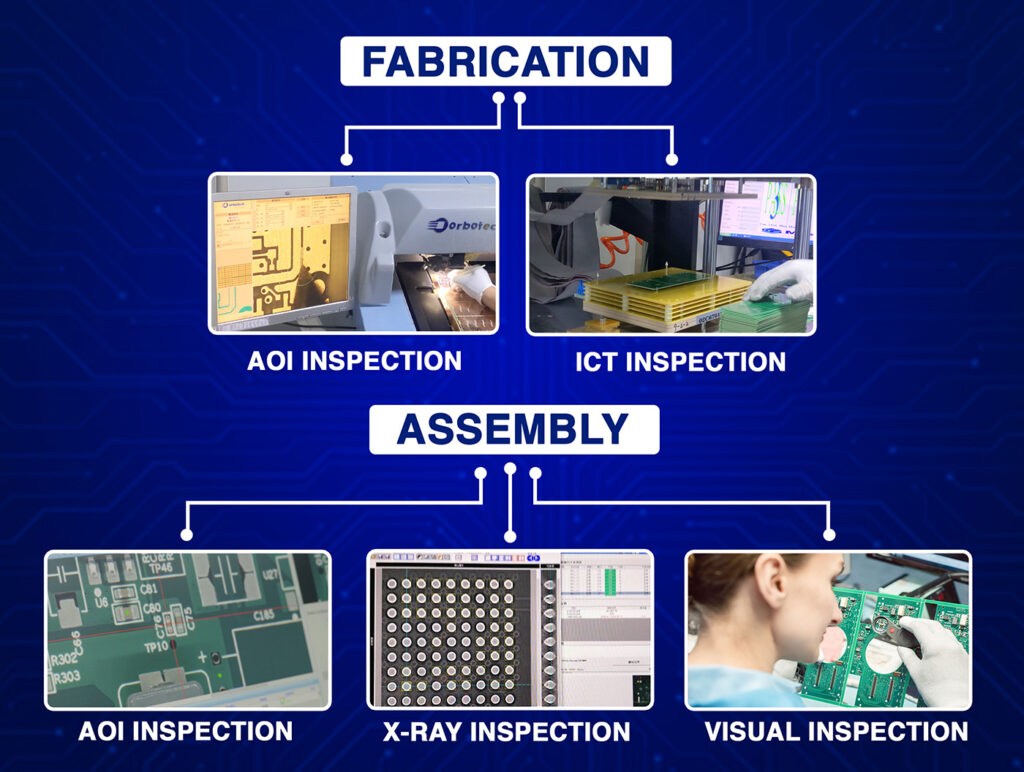
- Automated inspection machines utilize cameras and sensors to inspect each board meticulously.
- Steps taken are tracked and recorded, which makes tracing problems easier due to the step-by-step tracking.
With these enhancements, greater reliability for lower manufacturing defects can be reached while maintaining delivery time efficiency.
Realistic Example: Your Typical Day In A PCB Manufacturing Facility
Let’s say you are a PCB designer for a factory based on Industry 4.0 technologies. You send the design over to the cloud, where it gets validated. Your board gets assembled as your sensors monitor everything, step by step.
The machine monitors everything, and a sensor detects a minor soldering issue, triggering an alert from the machine. The machine pauses everything and allows you to make corrections. Production then resumes. Everything runs smoothly without wasting any boards. No delays. That is the power of Industry 4.0 and IoT.
Facing Fears and Phobias in PCB Writing, Blogging, and Production
Worries about new tech can feel overwhelming. It can be daunting for writers and staff in PCB factories, as they fear making mistakes or not fully comprehending the various processes.
Some common fears include:
- Wasting expensive materials through errors
- Lagging with rapid technological shifts
- Obsolescence from automation
But these concerns are natural and universal. The most important thing is to overcome these fears and face the worries head-on.
Helpful Suggestions to Alleviate These Fears
- Continuously learn about not just tools, but also techniques.
- Embrace and learn from your mistakes.
- Discuss your worries, because odds are, others share your sentiments.
Learn Why Industry 4.0 Is Vital For You
Even if you aren’t a PCB designer or manufacturer, Industry 4.0 has implications for all of us.
- Enhancements in innovation make electronics work better and be much more reliable.
- Speedier production translates into products reaching you much more quickly.
- Safety in factories that enable robots to perform hazardous tasks protects workers.
For PCB board assembly manufacturing companies, competitiveness provided by adopting Industry 4.0 enables high-quality product delivery.
Tips for PCB Designers and Manufacturers
- Before production, using simulation tools to test the design greatly assists.
- Utilize innovative technology to save time and minimize errors.
- Connect machines using IoT for real-time monitoring and control.
- Keep learning about Industry 4.0 trends.
Conclusion
The Internet of Things, along with the 4th Industrial Revolution, is changing the processes of PCB manufacturing. Factories are becoming increasingly intelligent, efficient, and safer. Tools are available to designers that enhance their capabilities. PCB manufacturers can produce better quality boards with increased accuracy and reduced errors.
New technology can be intimidating, but it does not have to be challenging to navigate. Curiosity, paired with a willingness to learn, will go a long way. Whether you design, manufacture, or use electronic devices, the PCB industry 4.0 is bright and thriving.
The smart technology embedded in our devices, such as smartphones and computers, powers everything, and that is what Industry 4.0 does.